US senators slam Trump's Russian diesel waiver as 'betrayal' of Ukraine
Synopsis
Trump's surprise deal to allow Russian diesel into American and global markets — formalised through OFAC's General License 135 — has drawn a swift, bipartisan rebuke from the Senate. Critics say the volumes are too small to move the needle on US pump prices, but large enough to replenish Moscow's war chest, making this one of the sharpest breaks yet between Trump's White House and Congress on Ukraine policy.
Key Takeaways
President Trump announced a deal with Putin on Friday to release Russian diesel into US and international markets, triggering a bipartisan Senate backlash.
OFAC issued General License 135 , authorising a six-month temporary easing of sanctions on Russian-origin diesel transactions.
Russia will supply more than 300,000 tonnes initially, 500,000 tonnes in November , and one million tonnes thereafter.
Independent Senator Angus King and Democratic leaders Chuck Schumer , Jeanne Shaheen , and Elizabeth Warren called the deal a 'total betrayal' of Ukraine and US allies.
Critics argue the volumes are too modest to reduce US diesel prices but meaningful enough to boost Moscow's war revenues.
Bipartisan legislation restricting Russia's energy revenue had passed with 86 Senate and 262 House votes.
A growing bloc of US senators has moved to publicly challenge President Donald Trump's decision to ease sanctions on Russian diesel exports, warning on 11 October 2026 that the concession could funnel critical revenue to Moscow to sustain its war in Ukraine — while doing little to ease fuel costs for American households.
King Breaks Ranks, Calls Deal a Gift to Putin
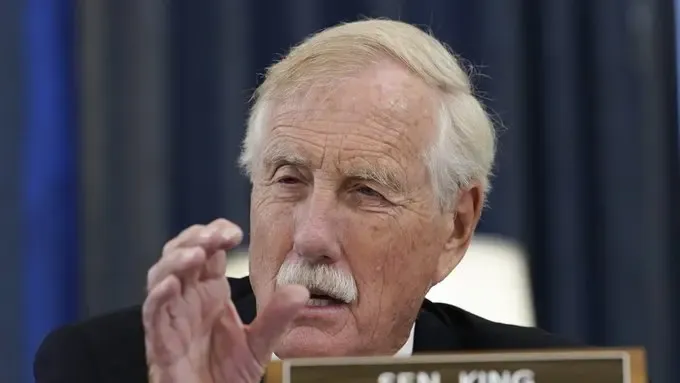
Independent Senator Angus King of Maine joined senior Democratic lawmakers in condemning the arrangement, calling it a reversal of longstanding US foreign policy. King argued the deal would benefit Russian President Vladimir Putin far more than American consumers.
'This so-called deal with Russia will do little for America and much for Vladimir Putin as he seeks to sustain his murderous campaign on Ukraine,' King said in a statement on Saturday. He urged every legislator who backed recent bipartisan energy-restriction legislation — 86 senators and 262 House members — to demand an immediate reversal.
Top Senate Democrats Call It a 'Total Betrayal'
The senators' response followed a joint statement issued Friday by Senate Democratic Leader Chuck Schumer, Senate Foreign Relations Committee ranking member Jeanne Shaheen, and Senate Banking Committee ranking member Elizabeth Warren. The three accused the administration of undermining Ukraine and American allies at the very moment Washington has been seeking to choke off Moscow's ability to finance its military.
'President Trump's announcement that the United States will allow global purchases of Russian diesel for six months is a total betrayal of Ukraine, our European allies and American national security,' they said in a joint statement.
What Trump Actually Agreed To
The controversy stems from Trump's announcement on Friday that he had reached a supply agreement with Putin to release additional Russian diesel into American and international markets. Under the arrangement, Russia will initially supply more than 300,000 tonnes of diesel, followed by a further 500,000 tonnes in November, and one million tonnes thereafter, with additional volumes indicated beyond that.
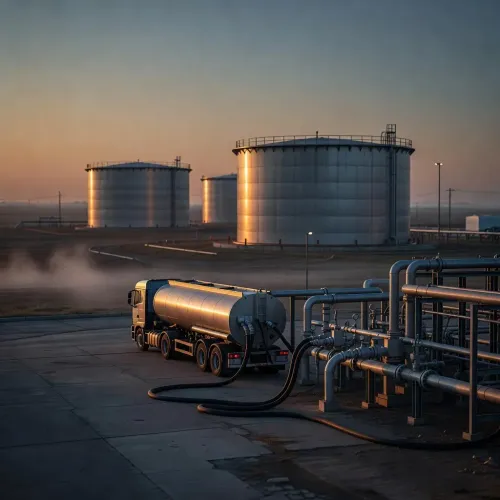
The US Treasury Department's Office of Foreign Assets Control (OFAC) subsequently issued General License 135, authorising specified transactions involving the sale, delivery, offloading, and importation of Russian-origin diesel. Crucially, the authorisation is a temporary easing of sanctions restrictions — not a permanent removal — with a stated window of six months.
Does the Math Add Up for American Consumers?
Senator King pointedly questioned whether the volumes on offer would make a meaningful dent in domestic fuel prices, noting that the quantities earmarked for October and November are modest relative to daily US diesel consumption. Critics argue the concession's primary beneficiary is the Kremlin's war chest, not American farmers, truckers, or businesses.
The Democratic senators also linked the administration's energy move to broader tensions with Iran, arguing that ongoing disruptions to global energy supply chains had contributed to rising fuel costs in the first place. 'Enough is enough. The President must end his war with Iran instead of funding Russia's war machine,' Schumer, Shaheen, and Warren said.
Trump Defends the Decision
Speaking to reporters on Saturday evening at Joint Base Andrews, Trump defended his energy policies as necessary to lower costs for American consumers. He expressed confidence that Putin was open to a settlement to end the Ukraine war, while criticising Ukrainian President Volodymyr Zelensky for not reaching an agreement. The administration's position sets up a direct confrontation with Congress, where bipartisan legislation designed precisely to restrict Russia's energy revenue was passed with commanding margins on both sides of the aisle.
With General License 135 now in effect and opposition hardening across party lines, the dispute over Russian diesel is poised to become the next major flashpoint in US-Ukraine policy.
Point of View
European allies pressing for a unified sanctions front have reason to question American resolve. The Iran link raised by Schumer, Shaheen, and Warren also deserves scrutiny — it points to a self-reinforcing cycle where one geopolitical confrontation inflates energy prices, which then creates domestic pressure to ease restrictions on another adversary. That is a dangerous loop to establish as policy precedent.
NationPress
11 Oct 2026
Frequently Asked Questions
What is Trump's Russian diesel deal and what did OFAC authorise?
President Trump announced an agreement with Russia to release additional diesel supplies into American and international markets. The US Treasury's Office of Foreign Assets Control subsequently issued General License 135, which temporarily authorises transactions involving the sale, delivery, offloading, and importation of Russian-origin diesel for a period of six months — a softening, not a permanent removal, of sanctions.
How much Russian diesel is involved in the deal?
Russia will supply more than 300,000 tonnes of diesel initially, followed by 500,000 tonnes in November, and one million tonnes thereafter, with further volumes indicated. Critics argue these quantities are modest relative to daily US diesel consumption and are unlikely to materially lower domestic fuel prices.
Why are US senators opposing the Russian diesel waiver?
Senators argue the waiver provides Moscow with revenue to sustain its military campaign in Ukraine while delivering minimal relief to American consumers. Independent Senator Angus King and Democratic leaders Chuck Schumer, Jeanne Shaheen, and Elizabeth Warren have called it a betrayal of Ukraine and US allies, and a reversal of bipartisan congressional efforts to restrict Russia's energy earnings.
How does this decision affect US-Ukraine policy?
The move is seen as directly undermining bipartisan sanctions strategy, particularly legislation that passed with 86 Senate votes and 262 House votes aimed at restricting Russia's energy revenue. Critics say it weakens Washington's credibility with European allies who have pressed for a unified front on sanctions enforcement.
What has Trump said in defence of the diesel deal?
Trump has defended the decision as necessary to lower fuel costs for American consumers, including farmers, truckers, and businesses. Speaking at Joint Base Andrews on Saturday evening, he expressed belief that Putin was open to a peace settlement in Ukraine, while criticising Ukrainian President Volodymyr Zelensky for not concluding an agreement.