Will Bipartisan US Senators Successfully Sanction Buyers of Russian Oil?
Synopsis
A coalition of U.S. senators has introduced the DROP Act to sanction foreign buyers of Russian oil, aiming to diminish funding for Russia’s military in Ukraine. This bipartisan effort emphasizes accountability and support for Ukraine, sending a strong message against entities enabling Russia's aggression.
Key Takeaways
Bipartisan support for the DROP Act emphasizes a united front against Russian aggression.
The bill aims to cut off funding for Russia’s military operations in Ukraine.
Exemptions are available for countries providing support to Ukraine.
Continued global demand for Russian oil poses challenges for enforcement.
The legislation highlights the importance of U.S. leadership in international diplomacy.
Washington, Dec 17 (NationPress) A bipartisan coalition of U.S. senators has put forward a new bill aimed at enforcing financial sanctions on foreign entities that persist in purchasing Russian oil, with the goal of crippling a significant revenue stream for Moscow’s military actions in Ukraine.
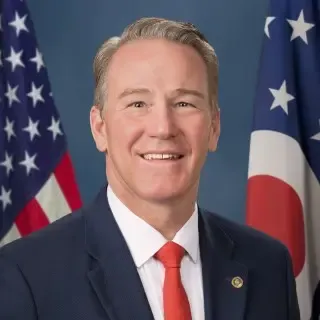
The Decreasing Russian Oil Profits (DROP) Act of 2025, spearheaded by Senator Jon Husted, a Republican from Ohio, along with Senators Dave McCormick of Pennsylvania, Elizabeth Warren of Massachusetts, and Christopher Coons of Delaware, empowers the U.S. government to impose sanctions on foreign individuals found to be directly or indirectly involved in acquiring Russian oil.
“This legislation sends a definitive message globally that there will be repercussions for those who continue to purchase Russian oil,” said Senator Husted, who further stated that Congress will “no longer accept the duplicity of nations that criticize Vladimir Putin yet fund his military pursuits through questionable oil transactions.”
The proposed bill allows for specific exemptions from sanctions for countries under certain conditions, such as providing military or economic support to Ukraine. It also encourages U.S. allies to lessen their reliance on Russian energy.
“If our allies and trading partners wish to buy oil, they can choose American products,” Husted remarked. “For nations that persist in acquiring Russian oil, this legislation will motivate them to enhance their support for Ukraine.”
Proponents of the bill highlighted the ongoing global demand for Russian oil, despite sanctions enacted after Russia's invasion of Ukraine. Major consumers include China, India, Turkey, and Iran, which utilize covert means to acquire Russian oil.
According to a media statement, while nearly all European nations have extended aid to Ukraine, some still procure oil from the Kremlin, thereby financing Russia’s military endeavors.
McCormick pointed out that ongoing purchases of Russian oil directly impede efforts to resolve the conflict. “Any country or entity that acquires Russian oil is actively funding Russia’s aggression in Ukraine,” he stated. “Putin has shown he is not serious about ending this war, and continuing to support his military should have consequences.”
Warren stressed the bill's emphasis on leveraging access to the U.S. financial system. “Regardless of how the Kremlin attempts to evade our sanctions, anyone aiding in the importation of Russian-origin oil risks losing access to the U.S. financial system,” she asserted, emphasizing the need for the U.S. to “sustainably increase costs for Russia as Putin continues his brutal military campaign.”
Coons characterized the legislation as both a moral and strategic imperative. “Putin will only halt his aggression when we compel him to do so,” he argued, accusing Russia of using oil revenues to finance a conflict marked by “torture, civilian casualties, child abductions, and threats to democracy.” He mentioned that the bipartisan bill would “cut off Putin’s financial lifelines by targeting the true purchasers of Russian oil.”
The DROP Act mandates the Department of the Treasury to enforce sanctions against foreign individuals deemed responsible for or complicit in the acquisition of Russian petroleum products.
This includes entities that are owned or controlled by such purchasers, or those acting on their behalf.
The legislation outlines four potential exemptions, requiring countries to meet at least two criteria to avoid sanctions.
These criteria include designating funds earned from Russian oil sales for humanitarian use while decreasing purchases, depositing payments per barrel into a dedicated account for Ukraine’s benefit, providing “significant military or economic support” to Ukraine, or importing oil from designated Russian ports for a limited time following the bill's enactment.
Point of View
I recognize the gravity of the bipartisan initiative to sanction foreign buyers of Russian oil. This legislation not only aims to reduce funding for Russia's military endeavors but also serves as a pivotal moment in international diplomacy, showcasing a united front against aggression. It is a critical step toward supporting Ukraine and reinforcing U.S. leadership in global affairs.
NationPress
19 Sept 2026
Frequently Asked Questions
What is the DROP Act?
The DROP Act is legislation introduced by U.S. senators to impose financial sanctions on foreign entities buying Russian oil, aimed at reducing revenue for Russia's military efforts in Ukraine.
Who are the sponsors of the DROP Act?
The DROP Act is sponsored by Senator Jon Husted and co-sponsored by Senators Dave McCormick, Elizabeth Warren, and Christopher Coons.
What are the exemptions under the DROP Act?
Countries may receive exemptions from sanctions under specific conditions, such as providing military support to Ukraine or designating oil sale revenues for humanitarian use.
Why is the DROP Act important?
The DROP Act is crucial as it aims to cut off financial resources for Russia's military actions, aligning U.S. policy with efforts to support Ukraine in the ongoing conflict.
How will the DROP Act affect international relations?
The DROP Act could strengthen coalitions among U.S. allies while applying pressure on nations that continue to support Russia through oil purchases, promoting accountability on the global stage.