Heatwave Alert: Rajasthan Burns at 44.5°C, 5 Districts on Red Alert
Synopsis
Rajasthan is burning — Sri Ganganagar hit 44.5°C on April 24, making it India's hottest city. The IMD has issued heatwave alerts for five districts, schools across Jaipur, Kota, and Dausa have cut hours, and a western disturbance may bring brief relief after April 25. But for millions outdoors, there's no escape.
Key Takeaways
Sri Ganganagar recorded 44.5°C on April 24, 2025 , making it the hottest city in India that day.
The IMD Jaipur Meteorological Centre issued a formal heatwave alert for five Rajasthan districts on April 25.
Over ten districts in Rajasthan have crossed the 40°C mark , with Kota at 43°C , Churu at 42.6°C , and Chittorgarh at 42.5°C .
Schools in Jaipur, Kota, Dausa, Jaisalmer , and Chittorgarh have shifted to morning-only schedules to protect students from peak afternoon heat.
A western disturbance expected after April 25 may bring light rain and dust storms, offering brief relief to parts of Rajasthan.
Minimum temperatures hovering between 19°C and 26°C are intensifying overnight discomfort across the state.
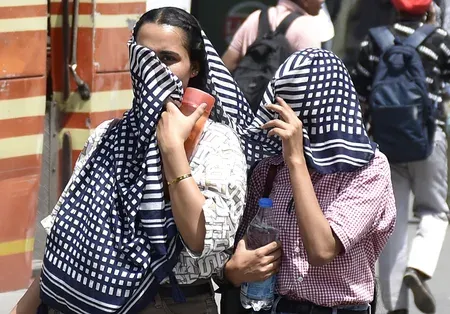
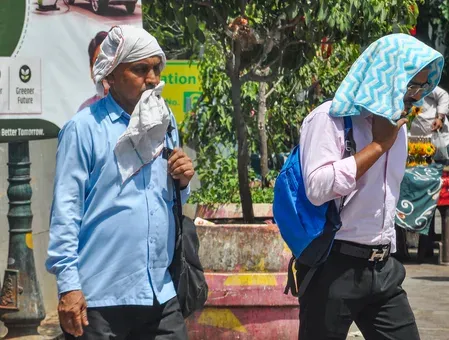
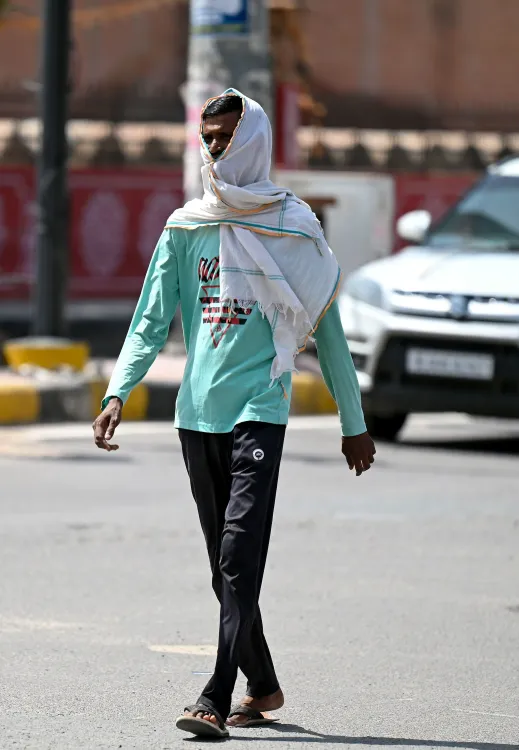
Jaipur, April 24: A fierce heatwave has tightened its grip over Rajasthan, with temperatures breaching the 40°C mark in over ten districts and Sri Ganganagar recording a searing 44.5°C on Thursday, April 24 — making it the hottest city in India. The India Meteorological Department (IMD)'s Jaipur Meteorological Centre has issued a formal heatwave alert for five districts, urging residents to take immediate precautions and avoid outdoor exposure during peak afternoon hours.
IMD Heatwave Alert: Which Districts Are at Risk?
The IMD Jaipur Meteorological Centre issued its heatwave warning on Friday, April 25, covering five high-risk districts across the state. Meteorologists cite dry weather conditions, clear skies, and weak wind patterns as the primary drivers behind the sharp temperature spike.
Districts including Nagaur, Alwar, Bharatpur, and Tonk are experiencing accelerated warming due to the absence of cloud cover. Light winds have offered virtually no relief, allowing heat to build steadily through the day and into the night.
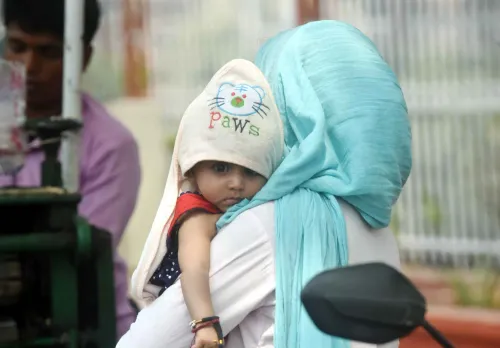
Crucially, minimum temperatures across cities are hovering between 19°C and 26°C, meaning nighttime offers little recovery — a factor that compounds heat stress, particularly for the elderly, children, and outdoor workers.
Temperature Scoreboard: Rajasthan's Hottest Cities on April 24
Sri Ganganagar topped both the state and national charts with a maximum of 44.5°C and a minimum of 26.5°C. Close behind were Kota at 43°C, Churu at 42.6°C, Chittorgarh at 42.5°C, and Pilani at 42.2°C.
Other major cities also recorded alarming figures: Jaisalmer and Bikaner each touched 41.5°C, while Barmer reached 40.4°C and Dausa recorded 40.3°C. Even Jaipur, typically more moderate, edged close to the threshold at 39.6°C.
In southern Rajasthan, Udaipur recorded 39°C, while Sirohi and Pali remained comparatively lower at 36.5°C and 36.8°C respectively — though still well above seasonal averages.
Schools Reschedule Timings to Protect Students From Peak Heat
The extreme heat has triggered swift administrative responses across the state. Authorities in Jaipur, Kota, Chittorgarh, Jaisalmer, and Dausa have revised school schedules to shield students from dangerous afternoon temperatures.
In Kota, Class 12 sessions now run from 7:30 AM to 12:30 PM starting April 24. In Dausa, classes up to Grade 8 will operate from 7:30 AM to 12:00 PM until May 2. Similar morning-only schedules have been enforced for students up to Class 8 in Jaisalmer and Chittorgarh.
In Jaipur, revised school timings from 7:30 AM to 12 noon will take effect from April 27. These measures reflect growing concern among district administrations about the health risks posed by prolonged heat exposure for young students.
Western Disturbance May Bring Partial Relief After April 25
A fresh western disturbance is expected to become active from Saturday, April 26, potentially offering some respite from the relentless heat. Weather experts predict this system could trigger dusty winds, light rainfall, and thunderstorms across parts of the Bikaner, Jaipur, Bharatpur, Jodhpur, and Ajmer divisions.
However, meteorologists caution that this relief is likely to be short-lived and localised. Until the disturbance takes full effect, the state is expected to remain under severe heat stress conditions.
Broader Context: Rajasthan's Recurring Heat Crisis
This heatwave is not an isolated event. Rajasthan has historically been among India's most heat-vulnerable states, with Sri Ganganagar frequently topping national temperature charts during April and May. Climate data over the past decade shows a consistent trend of earlier onset and longer duration of heatwaves in the region — a pattern aligned with broader climate change projections for arid northwestern India.
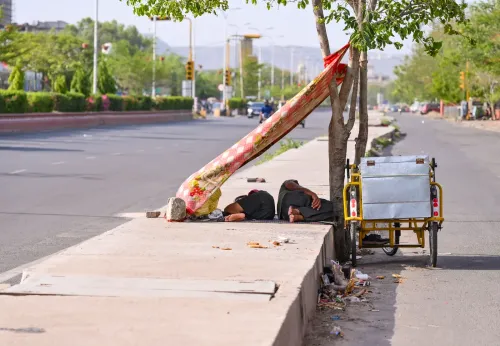
The IMD has in recent years expanded its heat action alert systems, but ground-level preparedness — particularly for daily wage workers, street vendors, and migrant labourers who cannot afford to stay indoors — remains a critical policy gap. With Rajasthan's rural population heavily dependent on outdoor agriculture and livestock activities, the human cost of extreme heat extends well beyond urban inconvenience.
Authorities have urged all residents to stay hydrated, avoid direct sun exposure between 11 AM and 4 PM, wear light-coloured clothing, and seek immediate medical attention for symptoms of heat exhaustion or heatstroke. As Rajasthan braces for what could be one of its most punishing pre-monsoon seasons, all eyes are on whether the approaching western disturbance will deliver meaningful relief — or merely a brief pause before temperatures surge again.
Point of View
The harder question is why India's most heat-prone state still lacks robust, year-round heat action infrastructure for its most vulnerable populations: outdoor workers, the rural poor, and the elderly. Sri Ganganagar topping national temperature charts is a near-annual occurrence, yet preparedness remains reactive rather than systemic. As climate patterns push heatwaves earlier and harder, India cannot afford to treat 44°C as a seasonal inconvenience — it is a public health emergency that demands permanent policy architecture, not just school schedule tweaks.
NationPress
16 Sept 2026
Frequently Asked Questions
Which city in India recorded the highest temperature on April 24, 2025?
Sri Ganganagar in Rajasthan recorded India's highest temperature of 44.5°C on April 24, 2025. It also had a minimum temperature of 26.5°C, indicating severe overnight heat stress.
Which districts in Rajasthan are under heatwave alert?
The IMD's Jaipur Meteorological Centre issued a heatwave alert for five districts in Rajasthan on April 25, 2025. Districts including Nagaur, Alwar, Bharatpur, and Tonk are among the most affected by the ongoing extreme heat.
Have Rajasthan schools changed timings due to the heatwave?
Yes, schools in Jaipur, Kota, Chittorgarh, Jaisalmer, and Dausa have revised their schedules to morning-only hours to protect students. For example, Jaipur schools will operate from 7:30 AM to 12 noon starting April 27.
Will there be any relief from the Rajasthan heatwave soon?
A western disturbance is expected to become active from April 26, potentially bringing dusty winds, light rain, and thunderstorms to parts of Rajasthan. However, the relief is expected to be temporary and localised.
What precautions should people take during the Rajasthan heatwave?
Authorities advise residents to avoid outdoor exposure between 11 AM and 4 PM, drink plenty of water, wear light-coloured clothing, and seek medical attention for heatstroke symptoms. Vulnerable groups like the elderly and children should remain indoors during peak heat hours.