Commercial LPG hike to push Chennai restaurant food prices up 40%
Synopsis
Chennai's restaurant industry is bracing for a food price shock — with pongal potentially jumping from ₹80 to ₹115 and dosa crossing ₹200 — after commercial LPG cylinder rates surged past ₹3,200. With domestic LPG prices untouched, the cost gap is squeezing small eateries and hostels, and relief measures remain elusive.
Key Takeaways
Commercial LPG cylinder prices in Chennai have risen above ₹3,200 for a 19-kg cylinder, while domestic LPG rates remain unchanged.
Restaurant food prices could rise by up to 40% , with pongal potentially going from ₹80 to ₹115 and dosa from ₹150 to over ₹200 .
Some establishments consume between 5 and 10 LPG cylinders a day , leaving little room to absorb cost increases.
Several outlets are scaling back gas-intensive dishes like dosa and poori or cutting service hours to manage fuel costs.
Private hostels and paying guest accommodations are also affected, with many not formally recognised as commercial consumers by oil companies.
The hospitality sector is seeking relief through reduced power tariffs and tax concessions from state authorities.
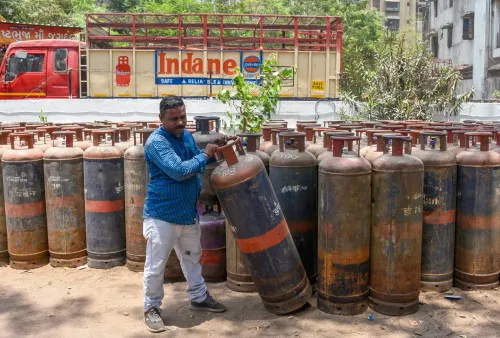
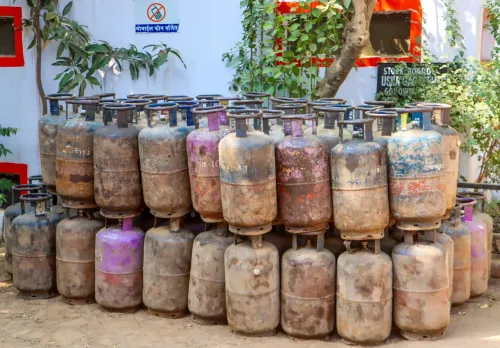
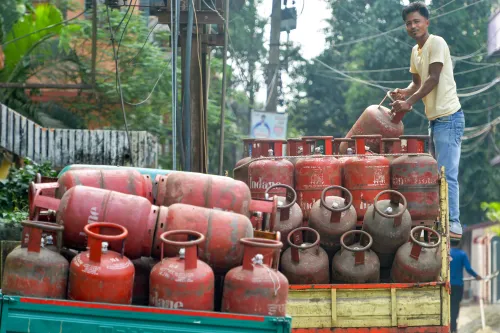
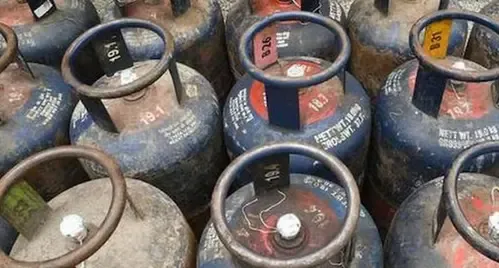
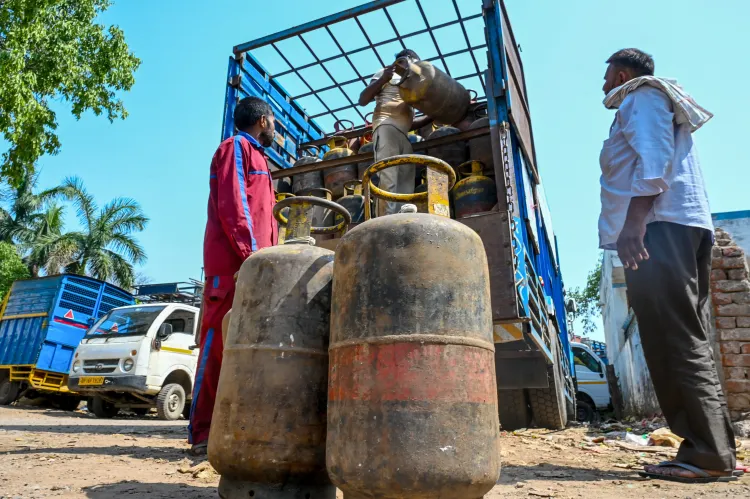
Food prices at restaurants across Chennai are set to rise sharply following a steep hike in the cost of commercial LPG cylinders, with popular breakfast staples such as idli, dosa, and pongal expected to cost up to 40% more in the coming days. The surge is being driven by a substantial increase in 19-kg commercial LPG cylinder prices, which have climbed to above ₹3,200 in Chennai, while domestic LPG rates remain unchanged.
How Much Prices Could Rise
Industry estimates indicate that a plate of pongal, currently priced at ₹80, may rise to around ₹115. Similarly, dosa prices could climb from ₹150 to over ₹200. Restaurant operators say the scale of the LPG hike leaves them with little room to absorb additional operational costs, effectively forcing them to pass the burden on to customers.
Many establishments in the city depend heavily on LPG for daily cooking, with some consuming between five and ten cylinders a day. The widening gap between commercial and domestic LPG prices has made the financial strain particularly acute for smaller eateries operating on thin margins.
Restaurants Scaling Back Operations
Faced with mounting fuel costs, several outlets have reportedly begun scaling back the preparation of gas-intensive dishes such as dosa and poori, or limiting service hours to reduce fuel consumption. While some establishments have explored shifting to electric cooking alternatives, high electricity tariffs have made that transition financially unviable for most operators.
This comes amid broader pressure on the hospitality sector, which has been calling for targeted relief measures including reduced power tariffs and tax concessions to ease the financial strain. Notably, this is not the first time commercial LPG price spikes have triggered a food inflation wave in Tamil Nadu's restaurant industry.
Impact Beyond Restaurants
The ripple effects extend beyond eateries. Private hostels and paying guest accommodations across Chennai are also facing rising costs, as they depend on commercial LPG supplies for cooking. However, many such operators are not formally recognised as commercial consumers by oil companies, according to industry stakeholders, forcing them to rely on private suppliers.
This has led to irregular supply and, in some cases, significantly inflated prices during shortages — compounding the affordability challenge for residents who depend on these facilities.
Industry Warnings and What's Next
Industry stakeholders warn that unless measures are introduced to stabilise fuel costs or provide targeted support, the ripple effects could extend further, threatening affordability for consumers and the sustainability of small and mid-sized food businesses. The hospitality sector is expected to formally approach state authorities seeking relief, with the outcome likely to determine how quickly — and how steeply — menu prices are revised across the city.
Point of View
Dominated by small and mid-sized operators, has no pricing power buffer. A 40% food price hike is not just an inconvenience; it is a regressive cost transfer onto lower-income urban residents who rely on affordable tiffin centres for daily meals. The state government's silence on relief measures, even as the hospitality sector formally calls for intervention, is a policy gap that deserves scrutiny.
NationPress
26 Sept 2026
Frequently Asked Questions
Why are food prices rising in Chennai restaurants?
Food prices in Chennai restaurants are rising because commercial LPG cylinder prices have surged above ₹3,200 for a 19-kg cylinder, sharply increasing operational costs for eateries. Since domestic LPG prices remain unchanged, the cost gap is being passed on to consumers through higher menu prices.
By how much could dosa and pongal prices increase in Chennai?
According to industry estimates, a plate of pongal could rise from ₹80 to around ₹115, while dosa prices may climb from ₹150 to over ₹200 — a hike of up to 40%. The exact increase will vary by restaurant and location.
Are only restaurants affected by the LPG price hike in Chennai?
No. Private hostels and paying guest accommodations are also affected, as they rely on commercial LPG for cooking. Many of these operators are not formally recognised as commercial consumers by oil companies, forcing them to use private suppliers, which can mean irregular supply and inflated prices.
Why can't restaurants switch to electric cooking to avoid LPG costs?
While some restaurants have explored electric cooking alternatives, high electricity tariffs in Tamil Nadu have made the transition financially unviable for most operators, particularly smaller establishments already operating on thin margins.
What relief measures is the hospitality sector seeking?
The hospitality sector has been calling for reduced power tariffs and tax concessions to ease the financial strain caused by rising commercial LPG prices. Industry stakeholders warn that without targeted support, small and mid-sized food businesses could face sustainability challenges.