Rawalpindi Secures Increased Safety as US-Iran Talks Loom
Synopsis
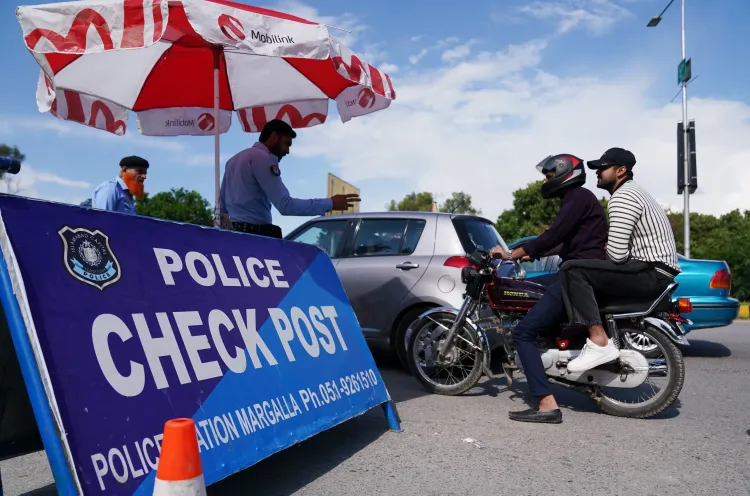
As talks between the US and Iran approach, Rawalpindi has ramped up security measures with over 10,000 police deployed. The city is on high alert, ensuring safe passage for foreign dignitaries amid ongoing negotiations.
Key Takeaways
Enhanced security in Rawalpindi with over 10,000 police personnel deployed.
Security measures include special pickets and elite commandos.
Ongoing US-Iran talks indicate potential diplomatic progress, but significant gaps remain.
The situation highlights Iran's strategic control over the Strait of Hormuz.
Negotiations are framed as a struggle for asserting rights amid geopolitical tensions.
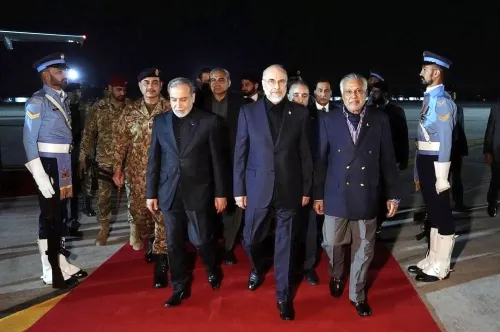
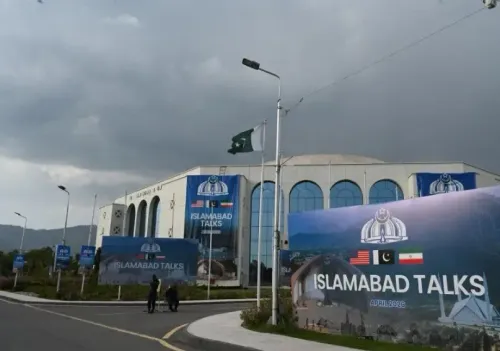
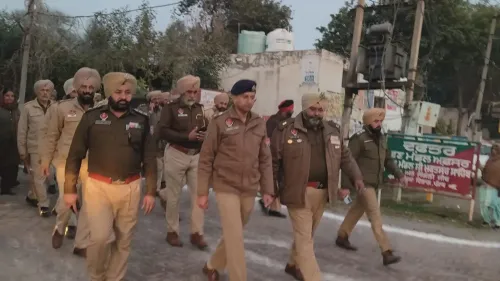
Islamabad, April 19 (NationPress) Enhanced security measures are in place in Rawalpindi, Pakistan, with the deployment of over 10,000 police personnel as the second round of discussions between the United States and Iran is anticipated to take place in Islamabad, according to local media reports on Sunday.
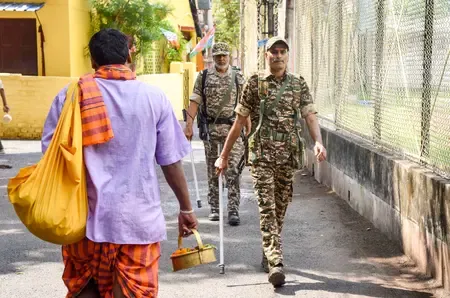
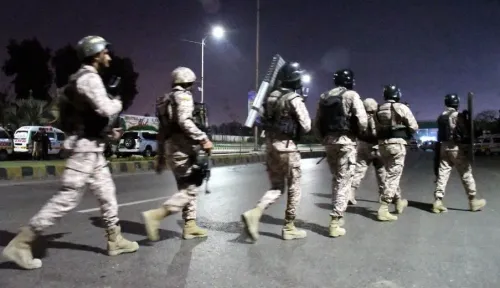
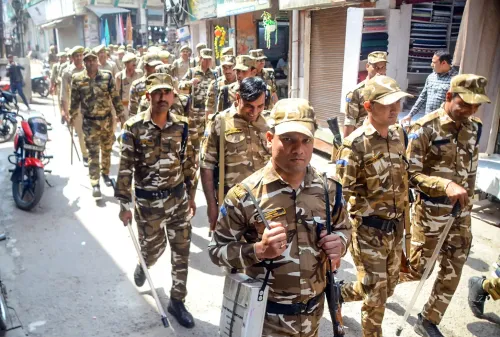
A spokesperson for the police stated that more than 10,000 officers from the Rawalpindi police are engaged in security operations, while upwards of 600 specialized pickets are monitoring the city's entry and exit points. Furthermore, additional law enforcement personnel have been assigned to highways, as reported by Pakistan's prominent daily, Dawn.
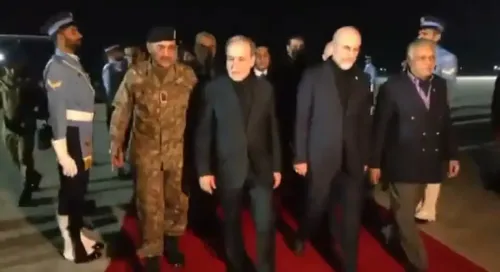
Approximately 400 elite commandos, including 100 snipers, will be deployed to ensure security during the arrival and departure of foreign dignitaries. As per sources, the security personnel's deployment commenced at midnight on April 18, ahead of the dignitaries' arrival at Nur Khan Base Chaklala before proceeding to Islamabad.
In the initial shift, more than 3,600 police personnel will be stationed starting at midnight until noon on Sunday, with an additional 3,500 personnel in the second shift. All connecting roads and streets will be closed from Chohan Chowk to Koral Chowk, while the Special Branch will conduct searches and sweeps in the area.
On Saturday, the police outlined a security plan, indicating that security measures were elevated following directives from City Police Officer (CPO) Syed Khalid Mahmood Hamdani, as reported by Dawn.
Quick Response Unit teams are on alert patrol, and a security checking system has been established throughout Rawalpindi. The CPO confirmed that continuous monitoring will occur via safe city cameras and advanced technology, with responsible officers reviewing situation reports from the control room.
Meanwhile, Iran has noted that there has been progress in its ongoing negotiations with the United States, though it emphasized that a final accord is still a distant goal, with the current two-week ceasefire set to expire on April 22, according to local media reports on Sunday.
Iranian Parliament Speaker Mohammad Bagher Ghalibaf stated in a televised address on Saturday that substantial differences remain between the two parties.
"There are many gaps and some fundamental points remain," Ghalibaf remarked, stressing that negotiations have not reached a conclusive stage.
"We are still far from the final discussion," he added, indicating that while dialogue continues, a comprehensive resolution has yet to be achieved.
Ghalibaf also claimed that Iran maintained an advantageous position during recent weeks of conflict and suggested that Tehran's agreement to the temporary ceasefire came only after its conditions were acknowledged by Washington.
"If we accepted the ceasefire, it was because they accepted our demands," he stated, referring to the United States.
Highlighting Iran's strategic standing, he noted that the US had not met its objectives, while Iran continued to exert control over the vital Strait of Hormuz, a key maritime route for global energy supplies.
"The enemy's every effort was to impose its demands on us, and it is crucial that we assert our rights; this is where negotiation becomes a form of struggle," Ghalibaf concluded.
Point of View
The situation in Rawalpindi is of paramount importance, as enhanced security measures signal the seriousness of the upcoming US-Iran talks. The involvement of high-level officials underscores the need for stability in the region, and the outcome of these discussions could have significant ramifications for international relations and security.
NationPress
19 Sept 2026
Frequently Asked Questions
Why is security heightened in Rawalpindi?
Security is heightened in Rawalpindi due to the anticipated second round of talks between the US and Iran, necessitating increased safety measures for foreign dignitaries.
How many police personnel are deployed?
Over 10,000 police personnel have been deployed to ensure security during the upcoming talks.
What measures are being taken for security?
Security measures include the establishment of special pickets at entry and exit points, deployment of elite commandos, and continuous monitoring through safe city cameras.
What is the current status of US-Iran negotiations?
While Iran has indicated progress in negotiations with the US, significant differences remain, and a final agreement is still a long way off.
What is the significance of the Strait of Hormuz?
The Strait of Hormuz is a vital maritime route for global energy supplies, and maintaining control over it is crucial for Iran's strategic interests.