Has RBI Extended the Deadline for Faster Cheque Clearance?
Synopsis
In a significant regulatory update, the RBI has delayed the launch of Phase 2 for faster cheque clearance, originally set for January 2026. This decision allows banks extra time to refine their systems, impacting how customers experience cheque transactions. Read on to discover the implications of this postponement on banking efficiency and customer convenience.
Key Takeaways
RBI's Phase 2 delayed for further bank preparation.
Phase 1 continues without the three-hour deadline.
Cheque Truncation System streamlines clearance via digital methods.
Continuous presentation window introduced to enhance processing.
Customer convenience remains a priority in cheque processing.
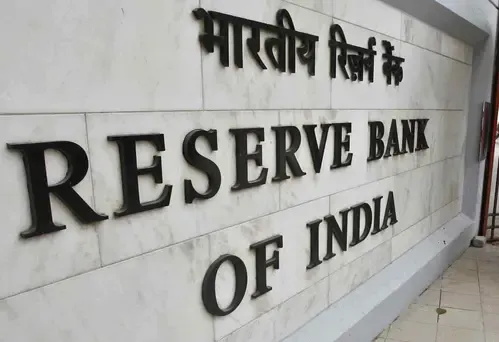
Mumbai, Dec 24 (NationPress) The Reserve Bank of India (RBI) revealed on Wednesday that it has delayed the rollout of Phase 2 of the expedited cheque clearance system, which was initially set to commence on January 3, 2026.
According to the RBI's announcement, Phase 2 implementation is being postponed until further notice to provide banks with additional time to enhance their operational efficiencies.
Phase 1, which was launched earlier this year, will continue to function as normal.
Additionally, the RBI stated that the cheque presentation time has been altered. Cheques can now be presented from 9 am to 3 pm, with banks able to confirm or reject cheques between 9 am and 7 pm.
Under the proposed Phase 2 guidelines, banks would have only three hours to clear or reject any cheque deposited over the counter. This change was anticipated to significantly benefit customers by facilitating quicker payments when implemented.
The RBI introduced continuous clearance through the Cheque Truncation System (CTS) to accelerate cheque processing by eliminating the traditional batch method. This system allows for cheque clearance via digital images and electronic data, eliminating the need for physical transportation between banks.
Starting October 4, 2025, Phase 1 introduced a continuous presentation window throughout the day, enabling banks to scan cheques and transmit their images and MICR data to the clearing house immediately upon receipt, rather than waiting for specific clearing cycles.
Once the drawee bank receives the cheque's image, it assesses the details and electronically communicates its approval or rejection. If the bank does not respond by the end of the confirmation period, the cheque is automatically considered approved and settled.
Phase 2, which was intended to begin on January 3, 2026, aimed to further speed up cheque clearance to enhance convenience for customers. Banks would have been required to approve or reject a cheque within three hours of receiving its image.
If a bank did not respond within this timeframe, the cheque would have been automatically approved and settled, incentivizing quicker processing and allowing customers quicker access to their funds.
However, with the postponement of Phase 2, cheque clearance will proceed under the existing Phase 1 system, which does not adhere to the three-hour requirement.
Point of View
It's crucial to recognize the RBI's recent decision to delay the implementation of Phase 2 in faster cheque clearance. This postponement highlights the ongoing commitment to ensuring that banks can provide reliable and efficient services to their customers. The RBI's careful approach reflects a thoughtful balancing act between innovation and operational readiness, ultimately benefiting consumers in the long run.
NationPress
4 Oct 2026
Frequently Asked Questions
What is the reason for the postponement of Phase 2?
The RBI has decided to postpone Phase 2 to allow banks additional time to enhance their processes and ensure efficient implementation.
When was Phase 1 of the faster cheque clearance system implemented?
Phase 1 of the system was implemented earlier this year, providing a continuous presentation window for cheque processing.
What changes were proposed in Phase 2?
Phase 2 proposed that banks would have only three hours to clear or reject cheques deposited over the counter.
How does the Cheque Truncation System work?
The Cheque Truncation System allows for the electronic clearance of cheques using digital images and data, eliminating the need for physical movement.
What will happen if a bank does not respond to a cheque in Phase 2?
If a bank fails to respond within the specified timeframe, the cheque will be automatically approved and settled.