RBI raises repo rate 25 bps to 5.5% as inflation nears tolerance ceiling
Synopsis
The RBI's October MPC minutes land a double signal: a unanimous 25-bps repo rate hike to 5.50% and a stance shift to 'calibrated tightening' that locks out rate cuts in the near term. With headline CPI on course to breach the upper tolerance band in Q3 and monetary aggregates running hot, the central bank is tightening even as it upgrades GDP growth to 7.1% — a rare simultaneous tighten-and-upgrade that reflects India's uncomfortably resilient but inflation-prone moment.
Key Takeaways
The MPC unanimously raised the repo rate by 25 bps to 5.50% at its 5-7 October 2026 meeting.
The stance was shifted to calibrated tightening , ruling out near-term rate cuts; future action can only be a hike or a pause.
Headline CPI is projected to touch the upper tolerance band in Q3 FY27 and remain 'significantly above 5%' for the next two quarters.
GDP growth for FY 2026-27 was revised up to 7.1% , a 40 bps increase from the 6.7% August projection.
The West Asia conflict , deficient monsoon , and El Niño were cited as key downside risks to supply and rural demand.
RBI Governor Sanjay Malhotra described India's performance as 'remarkable resilience' against a 'turbulent global backdrop'.
The Reserve Bank of India (RBI) on 21 October 2026 released the minutes of its Monetary Policy Committee (MPC) meeting held from 5-7 October, revealing a unanimous decision to raise the policy repo rate by 25 basis points to 5.50% and shift the monetary stance to 'calibrated tightening'. The central bank flagged rising inflationary pressures and acknowledged that global economic uncertainty continues to weigh on domestic activity, even as the Indian economy demonstrates broader resilience.
Rate Hike Decision and Stance Change
The MPC voted unanimously to increase the repo rate by 25 bps, taking it to 5.50%. The committee simultaneously moved to a stance of calibrated tightening — a signal that near-term rate cuts are firmly off the table. Under this stance, the MPC retains the option to either hike further or hold, depending on evolving data, but a pivot to easing is ruled out in the current cycle.
The duration and extent of any further hikes, the RBI noted, will depend on actual growth-inflation dynamics, the breadth of price pressures, second-round effects of supply shocks, and the force of demand impulses.
Inflation Outlook: Heading for the Upper Band
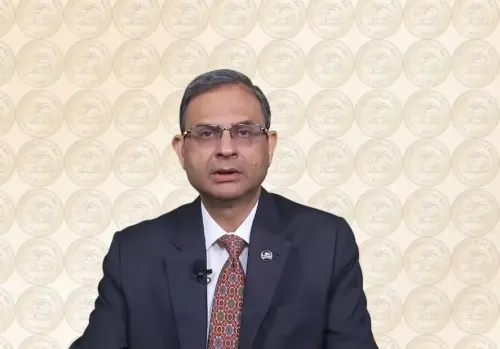
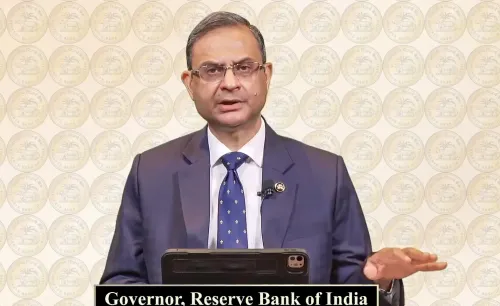
RBI Governor Sanjay Malhotra stated that inflationary pressures are 'building up'. Headline CPI is projected to touch the upper tolerance band in Q3 of FY 2026-27 and remain 'significantly above 5 per cent' in the following two quarters. While the RBI noted limited evidence of demand-side pressures so far, it flagged risks from strong growth in monetary and credit aggregates — a sign that excess liquidity could stoke prices if left unchecked.
Growth Revised Upward to 7.1%
Despite the tightening signal, Governor Malhotra offered an upward revision to the growth forecast. Full-year GDP growth for 2026-27 is now projected at 7.1%, up 40 basis points from the 6.7% estimate given in August. Continuing momentum in services, broadly stable employment, robust credit flows, strong capacity utilisation, and the government's infrastructure push are all cited as growth drivers. Services exports are expected to remain buoyant, and bilateral trade agreements are projected to boost merchandise exports.
Global Headwinds: West Asia Conflict and Supply Chains
The MPC minutes identified the lingering West Asia conflict as a key source of uncertainty, particularly for energy prices and supply chains. The near-term trajectory of these pressures remains unclear, the RBI said, though adverse impacts are being contained through active diversification of supply sources.
On the agricultural front, a deficient southwest monsoon and strong El Niño conditions pose risks to the farm sector and rural demand. The RBI noted that a healthy buffer of foodgrains and proactive government interventions are expected to mitigate the worst of the impact.
What This Means for Borrowers and Markets
The rate hike and stance shift signal that home loan, auto loan, and business credit costs are unlikely to ease in the near term. Banks that have already transmitted earlier hikes will face fresh pressure to adjust lending rates. For equity markets, the calibrated tightening posture removes any prospect of a dovish pivot in the near future — a factor that could weigh on rate-sensitive sectors such as real estate, banking, and NBFCs. The RBI's upward growth revision, however, offers a partial offset, underscoring the central bank's view that India's fundamental momentum remains intact even as it tightens conditions at the margin.
Point of View
But the CPI projection — heading for the upper tolerance ceiling and staying above 5% for two quarters — means the committee has little choice but to hold the tightening line. The 'calibrated tightening' framing is deliberate: it closes the door on a rate cut while keeping the size of future hikes deliberately vague, buying the MPC optionality without committing to an aggressive cycle. The real risk the minutes underplay is the credit aggregate signal — strong monetary growth alongside supply-driven inflation is a historically uncomfortable combination, and the RBI's reliance on 'proactive government interventions' to contain food price risk is more of a hope than a guarantee.
NationPress
21 Oct 2026
Frequently Asked Questions
What did the RBI decide at the October 2026 MPC meeting?
The MPC unanimously voted to raise the policy repo rate by 25 basis points to 5.50% and shifted its stance to 'calibrated tightening' at its meeting held from 5-7 October 2026. This rules out near-term rate cuts, with future action limited to either a further hike or a pause.
What does 'calibrated tightening' stance mean for borrowers?
'Calibrated tightening' signals that the RBI will not cut rates in the near term — the only options ahead are a further rate hike or a pause. For borrowers, this means home loan, auto loan, and business credit rates are unlikely to fall anytime soon, and could rise further depending on inflation data.
Why is the RBI concerned about inflation despite limited demand-side pressure?
Headline CPI is projected to touch the upper tolerance band in Q3 FY27 and remain significantly above 5% for the next two quarters, driven largely by supply-side factors including a deficient monsoon and El Niño risks. The RBI also flagged risks from strong growth in monetary and credit aggregates, which could amplify price pressures even without a classical demand surge.
Has the RBI changed its GDP growth forecast for FY 2026-27?
Yes. The RBI revised its full-year GDP growth projection for 2026-27 upward to 7.1%, which is 40 basis points higher than the 6.7% estimate given in August. The upgrade reflects continued services momentum, stable employment, robust credit flows, and the government's infrastructure spending.
How is the West Asia conflict affecting India's economy?
The ongoing West Asia conflict has kept energy prices and supply chain pressures elevated, though the RBI noted that India is actively diversifying supply sources to contain the adverse impact. The near-term trajectory of energy prices remains uncertain, and this remains one of the key external risk factors cited in the MPC minutes.