RBI hikes repo rate 25 bps to 5.50% as global inflation bites
Synopsis
For the first time since February 2023, the RBI has blinked on rates — hiking 25 bps to 5.50% as crude above $100, CPI inching toward 5%, and a global tightening wave left Governor Malhotra's MPC with little room to hold. The move signals the start of a new tightening cycle, and borrowers should brace for higher EMIs ahead.
Key Takeaways
RBI MPC raised the repo rate by 25 bps to 5.50% on 7 October 2026 — the first hike since February 2023 .
The SDF rate now stands at 5.25% ; the MSF rate and Bank Rate at 5.75% .
CPI inflation rose to 4.82% in August , up from 4.45% in July .
Crude oil above $100 a barrel , driven by the West Asia crisis , was a key trigger.
SBI Research warned of further tightening ahead, with inflation nearing the 5% mark.
El Niño and below-normal October rainfall pose additional supply-side inflation risks to Rabi output.
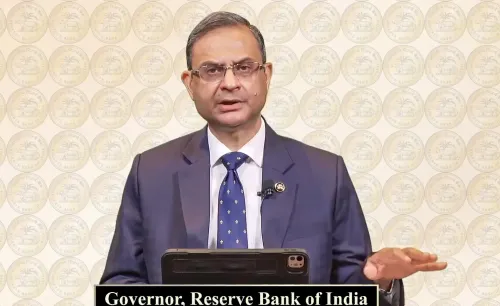
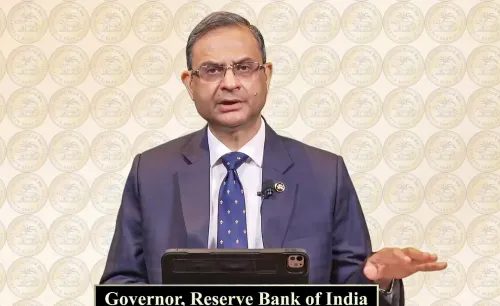
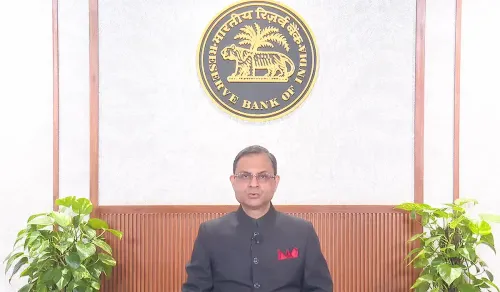
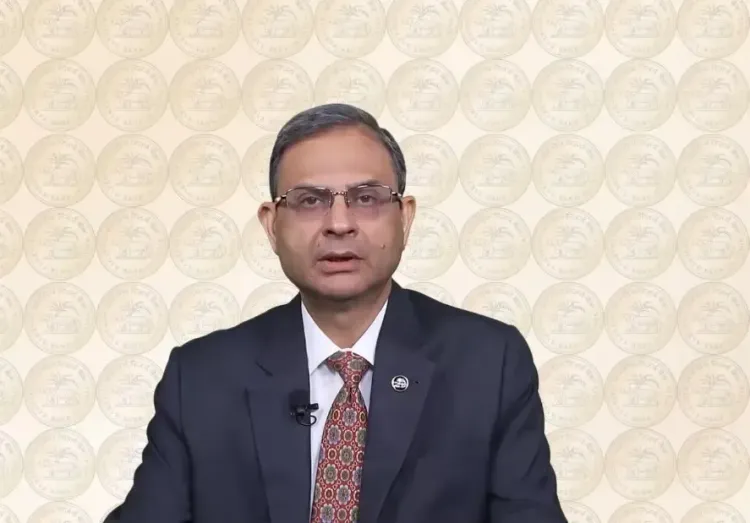
The Reserve Bank of India (RBI) on Wednesday, 7 October raised its benchmark repo rate by 25 basis points (bps) to 5.50%, the first such increase since February 2023, as the six-member Monetary Policy Committee (MPC) — chaired by Governor Sanjay Malhotra — concluded its three-day review amid escalating domestic inflation and mounting global macroeconomic pressures. The decision signals a decisive pivot away from the extended pause that had held rates at 5.25% for several months.
Key Rate Adjustments
Alongside the repo rate revision, the Standing Deposit Facility (SDF) rate has been recalibrated to 5.25%, while both the Marginal Standing Facility (MSF) rate and the Bank Rate have been set at 5.75%. The corridor adjustments reflect the RBI's intent to tighten monetary conditions in a measured but unambiguous manner.
What Drove the Decision
Governor Malhotra noted that global inflation is projected to rise sharply, prompting synchronised monetary tightening by major central banks worldwide. Domestically, Consumer Price Index (CPI) inflation climbed to 4.82% in August, up from 4.45% in July, keeping the metric within the RBI's 2–6% tolerance band but on an upward trajectory. Crude oil prices sustaining above $100 a barrel, driven in part by the West Asia crisis, have further narrowed the central bank's room to hold rates steady. Analysts also flagged that strong El Niño conditions and below-normal October rainfall could threaten Rabi crop output, adding a supply-side inflation risk to an already complex equation.
What Economists Are Saying
SBI Research had anticipated the move, arguing that broadening inflationary pressures, worsening global macros, evolving liquidity conditions, and a renewed global repricing of risk made a pre-emptive hike the prudent course. SBI Research economists stated: 'It would be prudent for us to act pre-emptively rather than be behind the curve.' With inflation nearing the 5% mark, market participants are already pricing in further tightening at upcoming MPC meetings. Rising bond yields globally have reinforced the view that a sustained hold was no longer tenable.
Broader Context and What Comes Next
This hike ends one of the RBI's longest rate-hold cycles in recent history and places India alongside the US Federal Reserve, the European Central Bank, and the Bank of England in a global wave of monetary tightening. This is a significant inflection point: higher borrowing costs will incrementally raise equated monthly instalments (EMIs) for home, auto, and personal loan borrowers linked to external benchmarks. Lenders are expected to transmit the hike to retail lending rates within weeks. The next MPC meeting will be closely watched for signals on the terminal rate and the pace of any further tightening.
Point of View
Not the hike itself.
NationPress
7 Oct 2026
Frequently Asked Questions
What did the RBI decide at its October 2026 MPC meeting?
The RBI raised the repo rate by 25 basis points to 5.50% at its October 2026 MPC meeting, the first hike since February 2023. The SDF rate was set at 5.25% and the MSF rate and Bank Rate at 5.75%.
Why did the RBI raise the repo rate now?
The hike was driven by rising domestic CPI inflation — which climbed to 4.82% in August — crude oil prices above $100 a barrel linked to the West Asia crisis, and synchronised global monetary tightening. The MPC judged pre-emptive action necessary to stay ahead of broadening inflationary pressures.
How will the repo rate hike affect borrowers?
Home, auto, and personal loan EMIs linked to external benchmarks are likely to rise as banks transmit the hike to retail lending rates, typically within weeks of an MPC decision. Borrowers on floating-rate loans will feel the impact first.
What further rate action is expected from the RBI?
Economists, including those at SBI Research, anticipate additional tightening at upcoming MPC meetings given inflation nearing 5% and persistent global pressures. The pace and extent will depend on incoming inflation data, crude prices, and monsoon impact on Rabi output.
What is the significance of the repo rate reaching 5.50%?
The 5.50% repo rate ends one of the RBI's longest hold cycles and marks India's formal entry into the global monetary tightening wave alongside major central banks. It signals that the era of accommodative or neutral monetary policy has conclusively ended for now.