RSS at 100: Hosabale's Exclusive Vision for India 2047
Synopsis
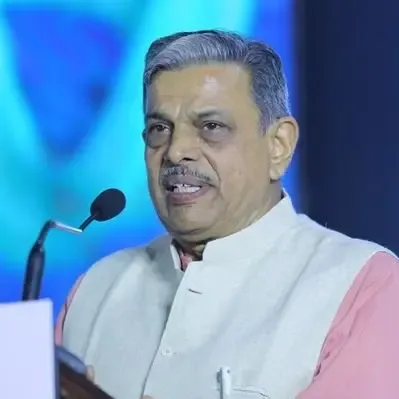
RSS General Secretary Dattatreya Hosabale, in a landmark IANS interview marking 100 years of the RSS, declared India will be 'materially prosperous and spiritually leading the world' by 2047. He addressed decolonisation, global threats, political empowerment of swayamsevaks, and India's civilisational mission — offering the most expansive public articulation of RSS's world vision to date.
Key Takeaways
Dattatreya Hosabale , RSS General Secretary , declared in an exclusive IANS interview that India will be "materially prosperous and spiritually leading the world" by 2047 .
The RSS marked its 100th anniversary (centenary) on Vijay Dashami 2024 , founded in 1925 by Dr.
Keshav Baliram Hedgewar in Nagpur .
Hosabale cited Arnold Toynbee's view that humanity must follow the Indian way to survive, and invoked Swami Vivekananda's call to "conquer the world with spirituality." He identified four global threats: geopolitical hegemony, religious terrorism, ecological imbalance, and family breakdown due to consumerism.
Hosabale called out the Aryan Invasion Theory as debunked but still circulated, and criticised caste bills in the US and UK as based on distorted narratives about India.
The RSS's new panch parivartan initiative targets five areas: social harmony, family values, eco-friendly living, national selfhood, and civic responsibility .
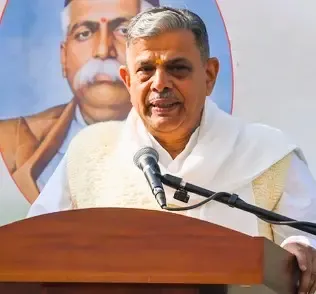
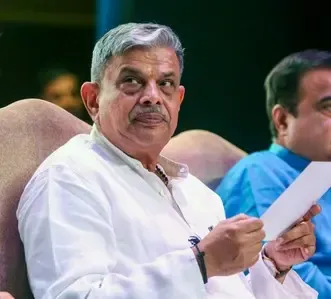
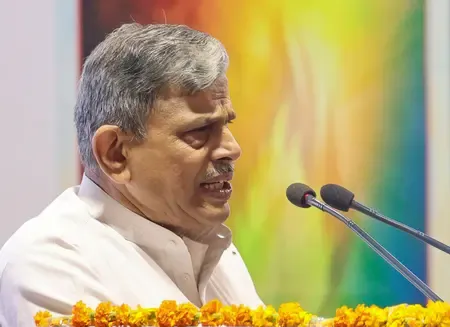
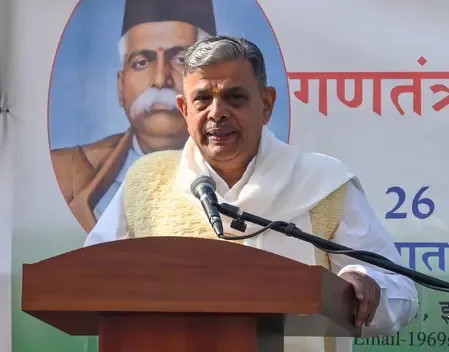
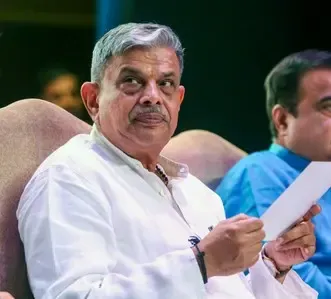
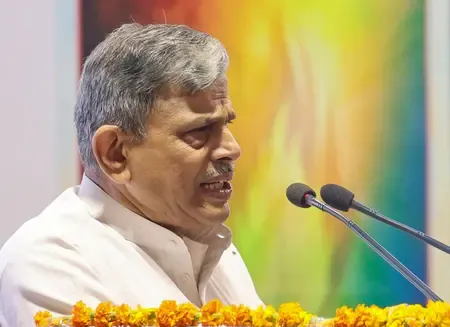
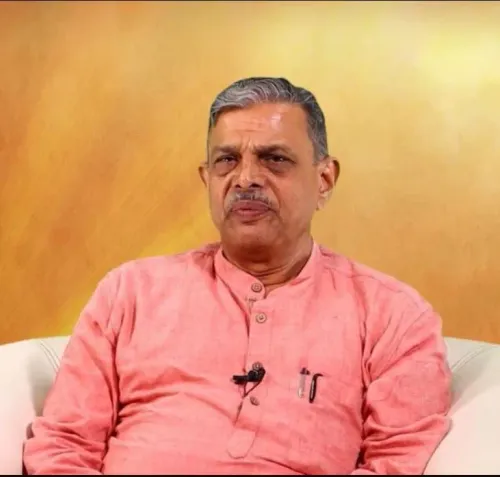
Washington, April 25: Rashtriya Swayamsevak Sangh (RSS) General Secretary Dattatreya Hosabale has articulated a sweeping vision for India by 2047 — one where the nation stands both as an economic powerhouse and the world's spiritual compass. Speaking in an exclusive interview with IANS to mark the RSS centenary, Hosabale outlined the organisation's journey, its global relevance, and the civilisational mission it believes India is destined to fulfil on the world stage.
RSS at 100: From Grassroots to the Centre of National Life
Hosabale described the RSS's 100-year journey as one of persistent struggle against suppression and opposition, ultimately resulting in the organisation reaching what he called the "central stage of national life." He credited the unwavering support of Indian society and the dedication of swayamsevaks for this transformation.
"RSS has made its presence felt in every part and local corner of the country," he said, noting the organisation's deep impact across politics, culture, education, rural development, and disaster relief. He specifically highlighted the RSS's role in providing immediate relief during natural calamities and in safeguarding internal social harmony and national security.
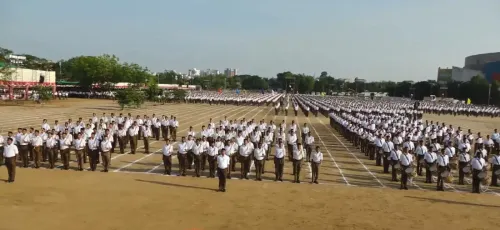
This centenary milestone is historically significant. Founded on Vijay Dashami, 1925, by Dr. Keshav Baliram Hedgewar in Nagpur, the RSS has grown from a small cultural organisation into one of the world's largest volunteer movements, with millions of active swayamsevaks across India and affiliated networks abroad. Its ideological footprint now visibly shapes national governance, with Prime Minister Narendra Modi — himself an RSS pracharak — leading the central government for a third consecutive term.
Political Empowerment: RSS Swayamsevaks in Power
Hosabale addressed the growing political presence of RSS-affiliated leaders at both the central and state levels, framing it not as a power grab but as a public mandate rooted in trust and delivery. He argued that decades of vote-bank politics, appeasement, and identity-based divisions had alienated Indian voters, who ultimately turned to leaders with RSS backgrounds for their perceived integrity and cultural grounding.
"These people who have come to power with the RSS background have contributed in keeping social cohesion intact," he asserted. He also called for all political parties to adopt a "nation first" approach and for appeasement politics — which he said caused "immense damage" to the social fabric — to be completely abandoned.
Notably, this comes at a time when the Bharatiya Janata Party (BJP), widely regarded as the political arm aligned with RSS ideology, governs not only at the Centre but also in several major states including Uttar Pradesh, Maharashtra, Madhya Pradesh, Rajasthan, and Assam. Critics argue this concentration of RSS-linked power raises questions about institutional plurality, while supporters contend it represents a genuine democratic mandate for cultural nationalism.
Global Role: Vasudhaiva Kutumbakam and India's Civilisational Mission
Hosabale positioned India's ancient philosophy of Vasudhaiva Kutumbakam — "the world is one family" — as not merely a slogan but a lived practice among swayamsevaks worldwide. He referenced India's G20 presidency and its theme of "One Earth, One Family, One Future" as a direct expression of this ethos on the global diplomatic stage.
He identified four major threats facing the world today: geopolitical hegemony, religious terrorism, ecological imbalance, and the breakdown of family structures due to consumerism and eroding trust. Against these challenges, he argued that India's civilisational values — rooted in harmony, sustainability, and spiritual depth — offer the most credible global alternative.
Invoking historian Arnold Toynbee, Hosabale quoted the scholar's belief that if humanity is to save itself from destruction, it must follow the Indian way. He also cited Swami Vivekananda's call — "Up, India, conquer the world with your spirituality" — as the guiding spirit behind RSS's long-term civilisational ambition.
Decolonising the Indian Mind: Correcting the Narrative
One of the most pointed sections of Hosabale's interview addressed what he called the "colonised mentality" that persists in parts of Indian intellectual and cultural life even 78 years after Independence. He argued that political freedom has not yet fully translated into cultural and psychological freedom.
He cited specific examples: the now-debunked Aryan Invasion Theory still being referenced in certain circles; the suppression of India's scientific heritage; the push for caste bills in the US and UK based on what he called a distorted narrative about Indian society; and the long-standing inferiority complex around Indian languages, which he said government policy is now actively working to reverse.
He also challenged the colonial-era claim that India became a unified nation only in 1947, pointing to figures like Adi Shankaracharya — who travelled from Kerala to establish four mathas at the four corners of the subcontinent — and Swami Vivekananda as proof of India's deep cultural unity across millennia. "We are not a nation in the making. We have been a nation for thousands of years," he declared.
India 2047: Materially Prosperous, Spiritually Leading the World
When asked directly about his vision for India at its centennial of Independence in 2047, Hosabale offered a concise but far-reaching answer: "Materially prosperous and spiritually leading the world."
He elaborated that the RSS sees its role as preparing Indian society — through national confidence, unity, and civilisational awareness — to play this dual role on the global stage. He described the RSS itself as "ever-evolving", pointing to ongoing reforms including the adoption of yoga and pranayama in shakha activities, the launch of dedicated departments for seva, outreach, and media communication, and the new initiative of panch parivartan — five areas of social transformation covering social harmony, family values, eco-friendly living, national selfhood, and civic responsibility.
His message to India's youth was equally forward-looking: embrace modernity through science and technology without surrendering cultural identity, reject the equation of westernisation with modernisation, and channel India's immense demographic potential into service of both the nation and humanity.
As India accelerates toward its 2047 centenary goal of becoming a Viksit Bharat (Developed India), the RSS's ideological blueprint — blending economic ambition with civilisational pride — is set to remain a defining force in shaping the country's political, social, and cultural trajectory in the decades ahead.
Point of View
Institutional appointments, and public discourse. The 2047 vision of a 'materially prosperous, spiritually leading' India is compelling — but its realisation will depend on whether the RSS can reconcile its emphasis on unity with India's constitutionally guaranteed pluralism.
NationPress
18 Sept 2026
Frequently Asked Questions
What is RSS General Secretary Dattatreya Hosabale's vision for India in 2047?
Dattatreya Hosabale envisions India in 2047 as 'materially prosperous and spiritually leading the world.' He believes India must combine economic strength with its civilisational values to guide humanity on the global stage.
What did Hosabale say about RSS reaching the 'central stage of national life'?
Hosabale said that RSS's growing influence across politics, culture, education, and rural development reflects its arrival at the 'central stage of national life.' He attributed this to the hard work of swayamsevaks and the resonance of Hindu nationalism and civilisational values with Indian society.
How does the RSS view its role in global stability and world peace?
The RSS believes India's philosophy of Vasudhaiva Kutumbakam — the world is one family — offers a credible framework for global harmony. Hosabale identified hegemony, religious terrorism, ecological imbalance, and family breakdown as the world's four key threats, arguing India's spiritual and civilisational values provide the best solutions.
What is the RSS's stance on decolonisation of the Indian mind?
Hosabale argued that despite 78 years of political independence, a 'colonised mentality' persists in parts of Indian intellectual life, distorting narratives about Indian history, society, and culture. He cited the debunked Aryan Invasion Theory and caste bills in the US and UK as examples of false narratives that need to be corrected.
What is the RSS's panch parivartan initiative?
Panch parivartan refers to five areas of social transformation identified by the RSS: social harmony, family values, eco-friendly living, national selfhood, and civic responsibility and civic sense. It represents the RSS's latest evolution in its organisational mission beyond traditional shakha activities.