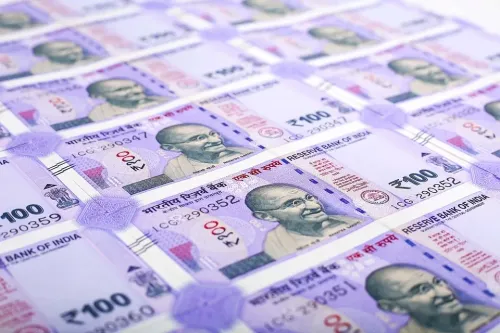
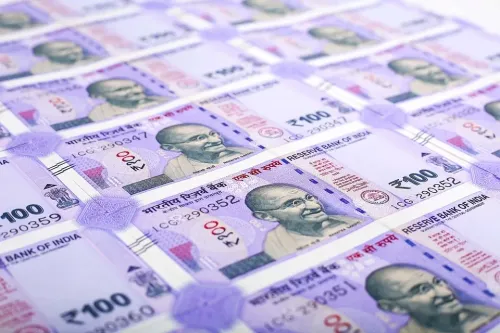
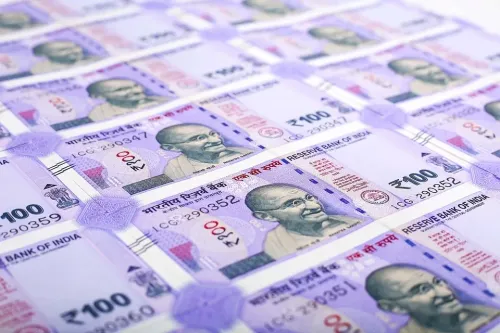
Rupee hits record low of 95.20 vs dollar as crude surges on US-Iran tensions

Synopsis
The rupee's breach of 95 per dollar is not just a number — it is a stress test playing out in real time. A US-Iran naval standoff pushing Brent near $120, a hawkish Fed holding rates, and India's structural crude import dependency have converged into a perfect storm for the domestic currency, with no clear near-term relief in sight.
Key Takeaways
The rupee hit a record intraday low of 95.20 against the US dollar on 30 April 2026 .
The currency has depreciated approximately 5.8 per cent against the dollar in 2026 so far.
Brent crude surged over 6 per cent on Wednesday, hovering near $120/barrel ; WTI was last at $110.28/barrel .
US President Donald Trump refused to lift the naval blockade of Iran's ports without a nuclear deal, stoking supply disruption fears.
The US Federal Reserve kept rates unchanged but maintained a hawkish tone, bolstering the dollar.
Sensex and Nifty each fell nearly 1 per cent in early trade as risk sentiment soured.
The Indian rupee plunged to a record low of 95.20 against the US dollar on Thursday, 30 April, hammered by a sharp spike in global crude oil prices and escalating geopolitical tensions between the United States and Iran. The currency's breach of the psychologically significant 95-per-dollar mark marks a fresh all-time low, extending a bruising year for the domestic unit.
How the Rupee Fell
The rupee touched an intraday low of 95.07 in early trade before sliding further to 95.126 and eventually weakening to around 95.20 during the session. In 2026 so far, the currency has depreciated approximately 5.8 per cent against the dollar — one of its steepest year-to-date slides in recent memory. The decline reflects a confluence of external pressures rather than any single domestic trigger.
Crude Oil Surge Deepens the Pain
Brent crude hovered near $120 per barrel after surging more than 6 per cent on Wednesday to its highest level since June 2022. On Thursday, it was trading around $114.10 per barrel, still up about 3 per cent from the previous close. US West Texas Intermediate (WTI) crude was last seen at $110.28 per barrel, also higher by around 3 per cent, having crossed the $107 mark during the session. For India — which imports roughly 85 per cent of its crude requirements — elevated oil prices widen the current account deficit and put structural pressure on the rupee.
US-Iran Standoff Fans Supply Fears
US President Donald Trump said he would not lift the naval blockade of Iran's ports until a nuclear deal is reached. Iranian officials, according to reports, have shown no indication of stepping back from their position. Washington has signalled no easing of its naval blockade and has moved to seize tankers linked to Tehran, raising fears of prolonged supply disruptions in the Persian Gulf. This comes amid a broader hardening of US foreign policy on Iran, with analysts warning that a protracted standoff could keep oil markets in a sustained risk premium.
Fed Hawkishness Adds Dollar Pressure
Compounding the rupee's woes, hawkish signals from US Federal Reserve policymakers have supported the dollar and pushed up US bond yields. The Jerome Powell-led central bank kept benchmark interest rates unchanged at its latest policy meeting, but the tone reinforced expectations of a higher-for-longer rate environment. A stronger dollar typically weighs on emerging market currencies, and the rupee has been among the more exposed given India's import-heavy energy profile.
Markets React
Negative sentiment spilled over into domestic equity markets, with the Sensex and Nifty each declining nearly 1 per cent in early trade on Thursday. The dual pressure on the currency and equities underscores the fragility of risk appetite at a time when global macro headwinds are intensifying. How quickly the Reserve Bank of India (RBI) intervenes — and whether the US-Iran standoff shows any signs of de-escalation — will likely determine the rupee's trajectory in the near term.
Point of View
Not the disease. India's structural vulnerability — importing 85 per cent of its crude at a time when Brent is flirting with $120 — means every escalation in the Persian Gulf lands directly on the current account. The Fed's higher-for-longer posture adds a second front of pressure that the RBI cannot neutralise through rate policy alone. What is notably absent from the public discourse is a credible medium-term energy import substitution plan; without one, every geopolitical flare-up in West Asia will continue to be India's currency crisis by proxy.
NationPress
19 Sept 2026
Frequently Asked Questions
Why has the rupee hit a record low against the US dollar?
The rupee fell to a record low of 95.20 against the dollar on 30 April 2026, driven by a sharp surge in global crude oil prices and escalating US-Iran geopolitical tensions. Additional pressure came from a hawkish US Federal Reserve stance that has strengthened the dollar and lifted US bond yields.
How much has the rupee depreciated in 2026?
The rupee has depreciated approximately 5.8 per cent against the US dollar in 2026 so far, making it one of the steepest year-to-date declines in recent years. The record low of 95.20 per dollar was hit on 30 April 2026.
What is driving crude oil prices higher?
Brent crude surged more than 6 per cent on Wednesday to its highest level since June 2022, driven by the US naval blockade of Iran's ports and Washington's moves to seize Iranian-linked tankers. President Trump has refused to lift the blockade until a nuclear deal is reached, raising fears of prolonged oil supply disruptions.
How does the crude oil spike affect India?
India imports roughly 85 per cent of its crude oil requirements, so elevated global prices widen the current account deficit and put sustained downward pressure on the rupee. Higher oil prices also raise domestic fuel and inflation risks, complicating the RBI's policy calculus.
What happened to Indian stock markets on Thursday?
The Sensex and Nifty each declined nearly 1 per cent in early trade on 30 April, reflecting the broader risk-off sentiment triggered by the currency slide and surging crude oil prices.