South Korea and EU Forge Strategic Economic Partnership Amid Global Challenges
Synopsis
South Korea and the EU have officially formed a strategic economic partnership to strengthen trade and economic security amidst increasing global uncertainties. This significant agreement was reached during a dialogue in Seoul, paving the way for enhanced collaboration in technology and supply chains.
Key Takeaways
Strategic Partnership: The agreement establishes a strategic economic partnership between South Korea and the EU.
Focus Areas: Key areas of cooperation include trade, supply chains, and advanced technologies.
Critical Minerals: Both parties will collaborate on critical minerals due to limited production infrastructure.
Digital Trade: A bilateral digital trade agreement has been finalized to boost cooperation in the digital economy.
Automobile Regulations: Updates to automobile-related FTA rules will reflect technological advancements.
On April 17, in a significant move, South Korea and the European Union (EU) reached an agreement to establish a strategic economic partnership aimed at enhancing their bilateral relations in trade and economic security amidst growing global uncertainties, as reported by Seoul's trade ministry.
This agreement was formalized during the inaugural Korea-EU next-generation strategic dialogue held in Seoul, designed to facilitate deeper collaboration in areas such as trade, supply chains, and technology, according to the Ministry of Trade, Industry, and Resources, as noted by the Yonhap news agency.
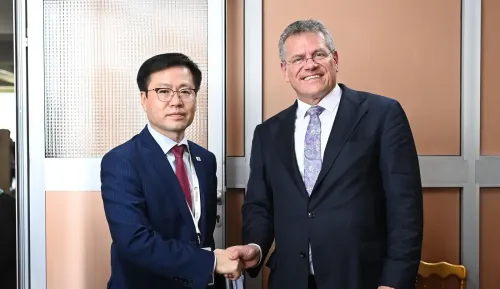
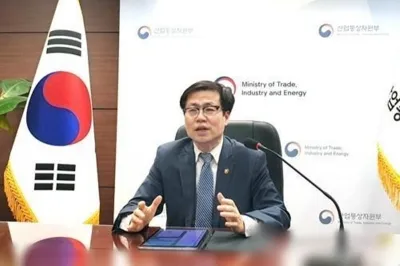
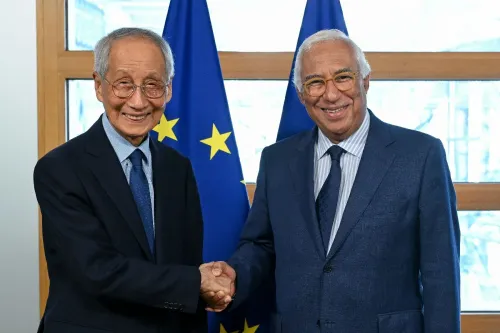
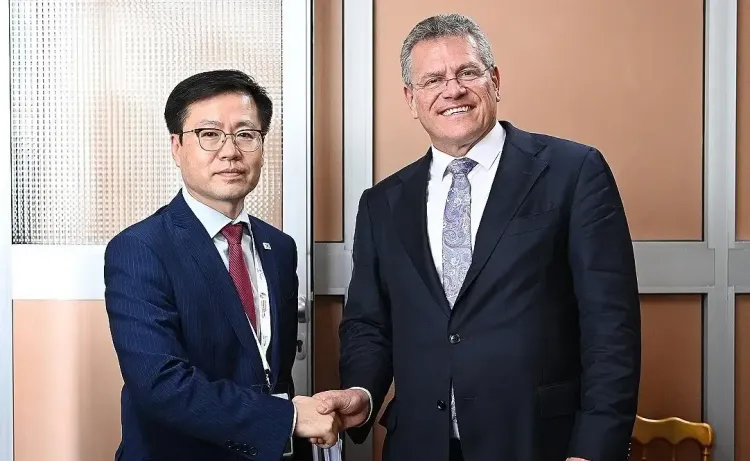
The meeting featured the attendance of South Korean Trade Minister Yeo Han-koo and the EU's trade and economic security commissioner, Maros Sefcovic.
Minister Yeo stated in a press release, "This meeting marks a successful evolution of the relations between South Korea and the EU into a next-generation strategic partnership that encompasses not just trade and commerce but also economic security, supply chains, and advanced technologies."
The ministry highlighted that this Korea-EU strategic economic partnership will act as a framework for cooperation between the two economies, with plans to discuss the specifics of this new framework in forthcoming meetings.
During the dialogue, Yeo and Sefcovic explored collaboration on critical minerals, recognizing both Korea and the EU's limitations in mineral production infrastructure, and they committed to improving communication on this matter amidst ongoing disruptions in global supply chains.
Additionally, they delved into enhancing cooperation in the semiconductor and battery industries. Minister Yeo urged the EU to acknowledge the significant contributions of South Korean firms to the development of Europe's battery sector while advocating for the legislation of its proposed Industrial Accelerator Act, as per the ministry's statements.
Furthermore, the two parties conducted their 13th free trade agreement (FTA) committee meeting on the same day, confirming the final draft of a bilateral digital trade agreement aimed at fostering cooperation in the digital economy.
They also agreed on updating automobile-related regulations under their FTA to reflect technological advancements and to facilitate trade in that sector, while establishing a communication channel to tackle issues concerning cosmetics exports, the ministry added.
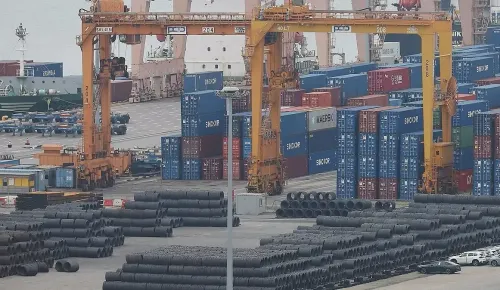
Other outstanding trade matters between the two economies were also addressed, including the EU's enhanced steel safeguard strategy and its carbon tax policy.
Point of View
The agreement between South Korea and the EU marks a vital step in strengthening economic ties. Amid global uncertainties, this partnership presents a proactive approach to safeguarding economic interests and enhancing cooperation in crucial sectors like technology and trade.
NationPress
18 Sept 2026
Frequently Asked Questions
What is the purpose of the strategic economic partnership between South Korea and the EU?
The partnership aims to strengthen bilateral ties in trade and economic security, addressing global uncertainties and enhancing cooperation in technology and supply chains.
Who attended the inaugural Korea-EU strategic dialogue?
The meeting saw the participation of South Korean Trade Minister Yeo Han-koo and EU Commissioner for Trade and Economic Security, Maros Sefcovic.
What sectors are South Korea and the EU focusing on for cooperation?
The two sides are focusing on critical minerals, semiconductors, and battery industries, among others, to enhance their economic cooperation.
What was confirmed during the 13th FTA committee meeting?
During the meeting, the final draft of a bilateral digital trade agreement was confirmed, aimed at expanding cooperation in the digital economy.
What challenges are being addressed within the partnership?
The partnership also addresses challenges such as the EU's steel safeguard plan and carbon tax policy, aiming to enhance trade relations.