How is the samba paddy harvest influencing premium prices in Tamil Nadu?
Synopsis
The samba paddy harvest in Tamil Nadu is leading to a remarkable uptick in the prices of premium rice varieties. Farmers are optimistic as they see better returns this year, thanks to reduced supplies from neighboring states and steady demand. Will this trend continue and reshape the rice market dynamics in the region?
Key Takeaways
Prices for premium samba paddy varieties have risen significantly.
Farmers are seeing better returns compared to last year.
The demand for finer rice varieties is increasing.
Humidity poses a risk to crop yields.
Strategic planning could reduce dependence on neighboring states.
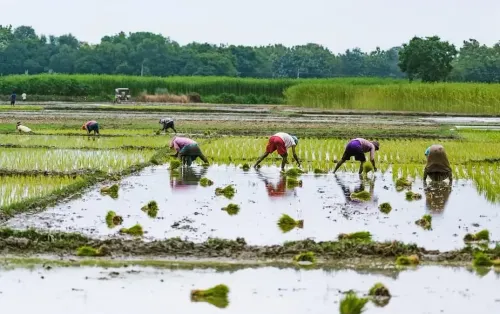
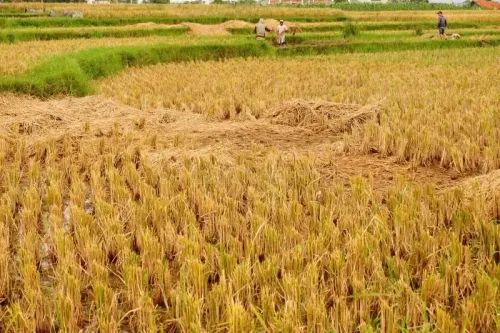
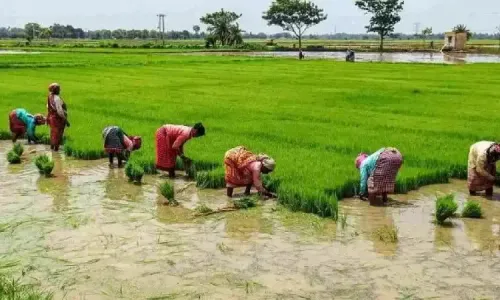
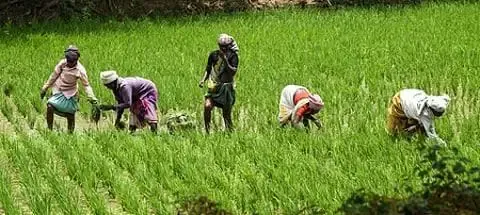
Chennai, Jan 26 (NationPress) As the samba paddy harvest accelerates in the southern districts of Tamil Nadu, the open market has experienced a significant surge in the sales and prices of finer and superfine paddy varieties, providing farmers with improved returns compared to the previous year.
Market observers indicate that prices for these premium varieties have risen by as much as 30 percent, primarily due to diminished supplies from neighboring states and consistent consumer demand. The samba paddy cultivation period, which typically spans from September to January, is now reaching its peak harvest stage.
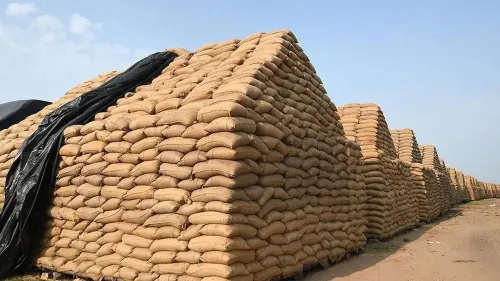
With the volume of arrivals increasing at mandis, trading has intensified, especially for the finer and superfine varieties favored by rice millers for their exceptional milling yield and strong market acceptance. These varieties continue to command higher prices than their coarse counterparts.
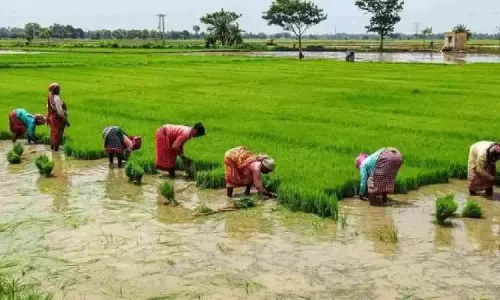
Farmers have noted that this season has marked a welcome shift from last year when prices remained relatively low despite satisfactory production levels. The enhanced price realization this year has aided in offsetting rising cultivation costs, instilling renewed optimism among growers.
Industry experts highlight that Tamil Nadu is heavily reliant on Karnataka for its rice supply. However, paddy cultivation in Karnataka has seen a significant decline this season due to infrastructure projects at the Tungabhadra dam, leading to reduced availability in the inter-state market. This shortfall has amplified demand within Tamil Nadu, resulting in substantial price increases.
Popular varieties such as 'RNR' and 'Akshaya', which were priced at around Rs 26 and Rs 31 per kg last year, are now selling for approximately Rs 29 and Rs 35 per kg, respectively. Trade experts believe that the favorable price environment could motivate farmers to transition towards high-demand, market-responsive varieties in upcoming seasons. Such a shift could gradually enable Tamil Nadu to lessen its dependence on external sources for its rice supply.
It is estimated that around 60 percent of the finer and superfine varieties currently supplied to the state come from adjacent regions. The Vaigai basin is recognized as particularly suitable for cultivating premium varieties, and stakeholders are advocating for targeted initiatives to promote these crops.
To foster market stability, trade organizations have collaborated with rice millers in Madurai to utilize drying, packing, and storage facilities with a combined capacity of approximately 25,000 tonnes, which could assist in managing fluctuations in arrivals and demand.
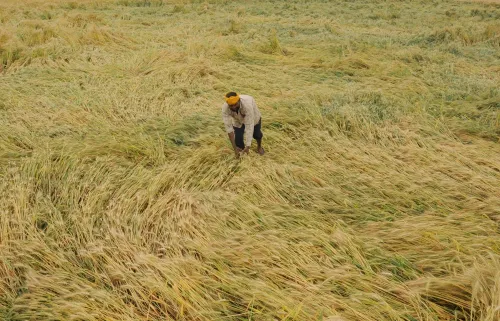
Despite the positive price trajectory, farmers remain vigilant due to ongoing humid weather conditions. Many have cautioned that extended periods of humidity could heighten the risk of pest infestations and crop diseases, potentially impacting yields as the harvest period continues.
Point of View
The samba paddy harvest showcases the resilience of Tamil Nadu's agricultural sector. The price surge not only benefits local farmers but also highlights the region's dependence on neighboring states for rice supply. This situation underscores the need for strategic agricultural planning and crop diversification to ensure food security and economic stability.
NationPress
11 Oct 2026
Frequently Asked Questions
What is samba paddy?
Samba paddy is a variety of rice cultivated primarily in Tamil Nadu, typically planted during the monsoon season and harvested in the winter months.
Why are prices of premium rice varieties increasing?
The increase in prices is attributed to a reduction in supply from neighboring states and steady demand from consumers and rice millers.
How has the harvest season changed this year compared to last?
This year, farmers are experiencing better price realizations and returns, in contrast to last year when prices were subdued despite good production.
What are the potential risks during the harvest period?
Farmers are concerned about humid weather conditions that could lead to pest infestations and crop diseases, potentially affecting yields.
How can Tamil Nadu reduce its rice supply dependence?
Encouraging farmers to cultivate high-demand, market-responsive varieties can help Tamil Nadu gradually reduce its reliance on external sources for rice.