Why Are TN's Delta Districts Experiencing a Decline in Samba Paddy Yields?
Synopsis
Farmers in Tamil Nadu's Cauvery delta face troubling declines in samba paddy yields due to harsh weather and water management issues. The situation raises concerns for paddy growers' income stability. Discover the implications of these agricultural challenges.
Key Takeaways
Samba paddy yields have significantly declined in Tamil Nadu's delta.
Adverse weather and water management issues are primary causes.
Farmers report lower output per acre compared to last season.
Inadequate canal maintenance has worsened the situation.
Concerns over income stability for farmers are growing.
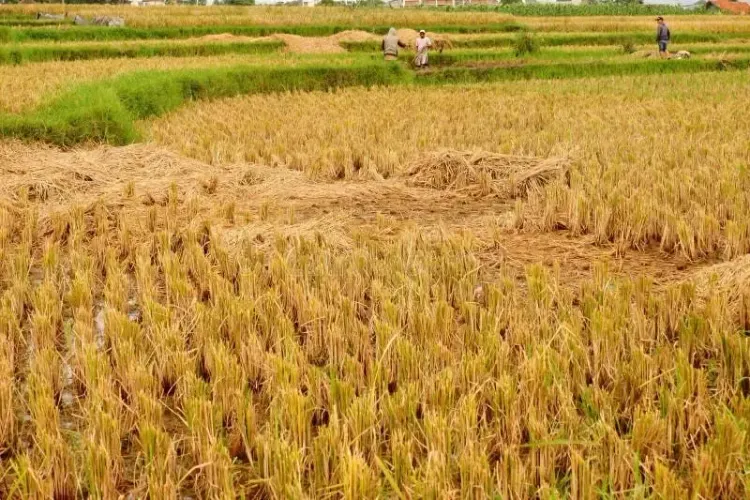
Chennai, Feb 12 (NationPress) Farmers in the Cauvery delta regions of Tamil Nadu are observing a significant reduction in samba paddy yields this season. Nearly a quarter of the cultivated area has already been harvested across three of the four major districts.
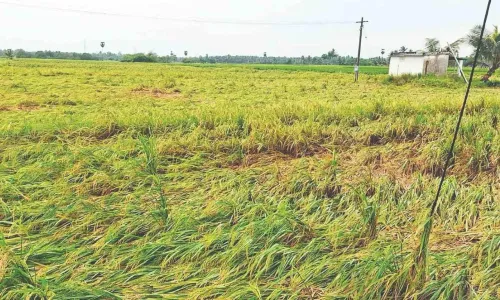
Many farmers report that their production levels have decreased compared to last year, largely due to unfavorable weather patterns and issues with water management.
In the Thanjavur district, samba and thaladi crops were cultivated on approximately 1.31 lakh hectares, with over 41,500 hectares harvested thus far. In the adjacent Tiruvarur district, paddy was grown over nearly 1.46 lakh hectares, and harvest has been completed on around 31,200 hectares to date.
Initial field evaluations suggest a noticeable decline in yields in various areas.
Farmers in Tiruvarur's Mangudi, Kottur, Tiruthuraipoondi, and Mannargudi regions have reported lower output per acre compared to the previous season.
Data from the Department indicates a drop in productivity. Last year's average yield was 3,790 kg per hectare, whereas this season's average has decreased to around 3,153 kg per hectare.
In Thanjavur, however, some areas continue to show relatively stable yields, particularly where long-duration paddy varieties were planted.
Farmers choosing traditional long-term varieties have achieved better results, while those opting for medium-duration crops have seen a reduction in output.
Nagapattinam and Mayiladuthurai districts are also facing challenges with poor harvests. While official evaluations are ongoing, field reports indicate that farmers are harvesting much lower quantities per acre than anticipated.
Agricultural specialists attribute this decline to a mix of climatic and infrastructural issues. The delayed release of water from the Mettur dam to tail-end regions hampered timely land preparation and sowing.
The lack of summer rains before the Kuruvai season further hindered preparatory work, pushing back the planting schedule.
Moreover, unseasonal rain led to waterlogging after the Kuruvai harvest, reducing the sowing window for samba and thaladi crops. Rainfall related to cyclones during early growth stages damaged young plants.
Increased humidity and cold spells have also contributed to the spread of crop diseases and grain discoloration.
Farmers have noted inadequate canal maintenance and insufficient desilting, which impeded effective drainage of excess water, exacerbating field losses.
These combined factors have heightened stress on delta agriculture, raising new concerns about income stability for paddy farmers this year.
Point of View
It’s vital to highlight the multifaceted challenges faced by farmers in Tamil Nadu's delta regions. The decline in samba paddy yields due to climatic and infrastructural factors is not just a local issue; it resonates with national agricultural concerns that need our immediate attention.
NationPress
30 Sept 2026
Frequently Asked Questions
What factors are causing the decline in samba paddy yields?
The decline is attributed to adverse weather conditions, delayed water supply from Mettur dam, unseasonal rains causing waterlogging, and inadequate canal maintenance.
How much has the average yield decreased this season?
The average yield has dropped from 3,790 kg per hectare last year to approximately 3,153 kg per hectare this season.
Which districts in Tamil Nadu are most affected?
The most affected districts include Thanjavur, Tiruvarur, Nagapattinam, and Mayiladuthurai.
What types of crops are being affected?
Primarily, samba and thaladi crops have been significantly impacted by the recent weather patterns and water management issues.
What can farmers do to mitigate these issues in the future?
Farmers can adopt more resilient crop varieties, improve water management practices, and advocate for better infrastructure maintenance to address these challenges.