Supreme Court Dismisses Criminal Charges Against Ashoka University Professor Over Social Media Remarks
Synopsis
In a significant legal decision, the Supreme Court has dismissed criminal proceedings against Ashoka University's Ali Khan Mahmudabad, following the Haryana government's refusal to sanction his prosecution over comments related to Operation Sindoor. This ruling underscores the importance of responsible speech in sensitive contexts.
Key Takeaways
Supreme Court quashed criminal charges against Ashoka University's professor.
The Haryana government refused to sanction his prosecution.
Mahmudabad's social media posts concerned Operation Sindoor.
The court emphasized responsible public discourse.
Legal proceedings were previously criticized for overreach.
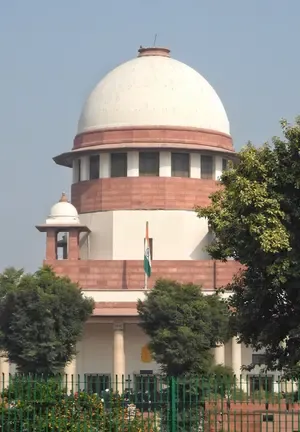
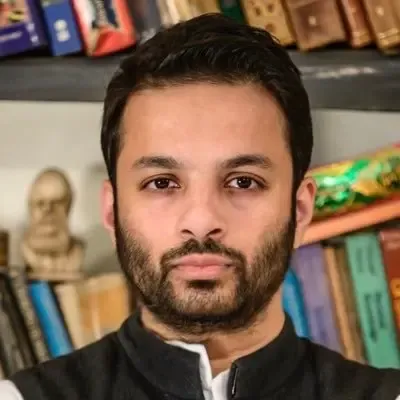
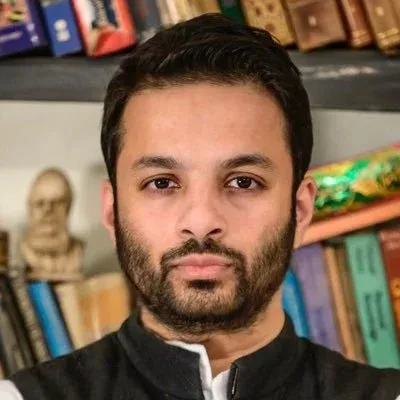
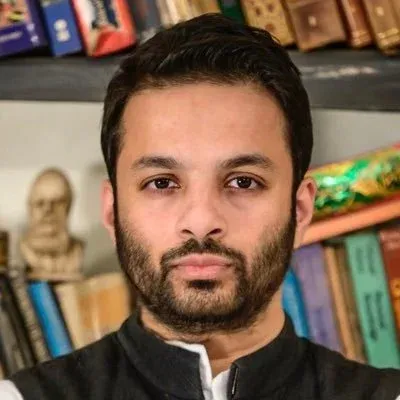
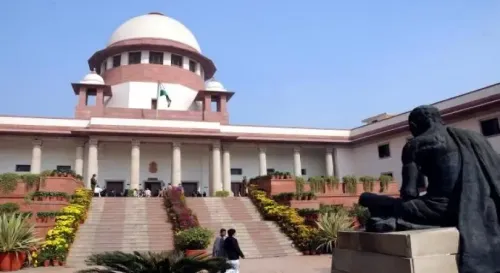
New Delhi, March 16 (NationPress) On Monday, the Supreme Court dismissed the criminal proceedings against Ali Khan Mahmudabad, a political science professor at Ashoka University. This decision came after the Haryana government notified the court that it would not authorize his prosecution over social media comments concerning 'Operation Sindoor'.
A bench led by Chief Justice of India Surya Kant and Justice Joymalya Bagchi noted the statement from Additional Solicitor General (ASG) SV Raju, representing the Haryana government, which indicated that the decision to halt prosecution was made as a "one-time gesture of magnanimity".
ASG Raju emphasized, "The sanction is refused as a one-time act of grace. This matter is now concluded. He should be advised against repeating such behavior in the future."
While resolving the case, the CJI-led Bench also cautioned the petitioner to exercise prudence moving forward. The court remarked, "Sometimes, writing in a way that allows for interpretation can lead to complications. Given the sensitive nature of certain situations, we must all proceed with care."
The Supreme Court had been reviewing a petition from Mahmudabad aimed at quashing the criminal actions taken against him for two posts on social media regarding Operation Sindoor, which was India's military response following the April 22 terror attack in Pahalgam.
In a previous hearing, the CJI-led bench urged the Haryana government to reconsider and close the case by denying the prosecution sanction.
Mahmudabad approached the Supreme Court challenging his detention and the filing of two FIRs against him by Haryana Police, which cited provisions of the Bharatiya Nyaya Sanhita (BNS) related to inciting rebellion and fostering communal disharmony.
The controversy stemmed from Mahmudabad's remarks on social media, which referenced public acclaim for Colonel Sofiya Qureshi, who addressed the media during Operation Sindoor, while also criticizing incidents like mob lynchings and bulldozer actions.
In his post, he expressed, "I am pleased to see numerous right-wing commentators praising Colonel Sofiya Qureshi, but they should also vocally advocate for the protection of mob lynching victims and others affected by the BJP’s hate rhetoric as Indian citizens."
In May of the previous year, the Supreme Court granted Mahmudabad interim bail to support the investigation and instructed Haryana's Director General of Police to form a three-member Special Investigation Team (SIT) comprising senior IPS officers, including a female officer.
By August, the Supreme Court had stayed proceedings in the trial court and prohibited the jurisdictional magistrate from acknowledging the Haryana Police's charge sheet, which involved allegations under the Bharatiya Nyaya Sanhita (BNS) concerning acts against national sovereignty.
The top court had previously criticized the SIT for unnecessarily expanding the investigation's scope, as it was revealed that the panel had confiscated Mahmudabad's electronic devices and sought his travel history for a decade. It stated that the SIT should focus on the language of the posts and assess whether they constituted an offense.
Point of View
The Supreme Court's ruling reflects a balance between protecting free speech and recognizing the sensitivities surrounding discussions of national security. While the dismissal of charges against Mahmudabad is a win for academic freedom, it also serves as a reminder of the responsibilities that come with public discourse in today's charged political climate.
NationPress
3 Oct 2026
Frequently Asked Questions
What were the charges against Ali Khan Mahmudabad?
Ali Khan Mahmudabad faced charges related to inciting armed rebellion and promoting communal disharmony due to his social media posts about Operation Sindoor.
What did the Supreme Court decide?
The Supreme Court quashed the criminal proceedings against Mahmudabad after the Haryana government declined to grant sanction for his prosecution.
What is Operation Sindoor?
Operation Sindoor refers to India's military response to Pakistan following the terror attack in Pahalgam on April 22.
What were the implications of the court's ruling?
The ruling highlights the need for careful speech in sensitive situations while also supporting academic freedom.
What advice did the Supreme Court give to Mahmudabad?
The Supreme Court advised Mahmudabad to act prudently in the future and be cautious with his words.