SC refuses fresh hate speech guidelines, says criminal law adequate
Synopsis
The Supreme Court has shut the door on judicial legislation around hate speech — ruling that India's existing criminal law framework is adequate and courts cannot compel Parliament to act. The real indictment, buried in the judgment, is one of enforcement failure, not legal vacuum.
Key Takeaways
The Supreme Court on 29 April 2025 declined to frame fresh guidelines or issue new directions on hate speech.
A Bench of Justices Vikram Nath and Sandeep Mehta dismissed petitions arising from incidents including alleged "Corona Jihad" and "UPSC Jihad" broadcasts.
The court held that the IPC and BNSS 2023 already adequately cover hate speech offences — "the field is not unoccupied." Constitutional courts cannot compel Parliament or state legislatures to enact new laws.
Aggrieved persons can approach the Superintendent of Police , a magistrate under Section 156(3) CrPC , or file a private complaint if FIRs are not registered.
The Union and states were invited to consider recommendations in the Law Commission's 267th Report of 2017 .
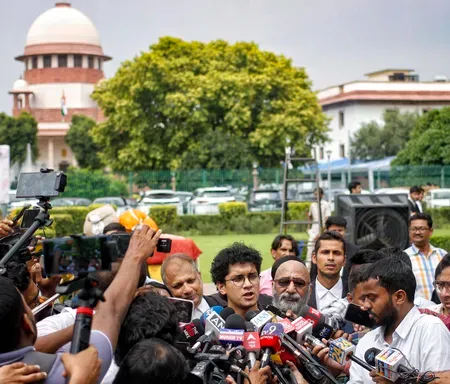
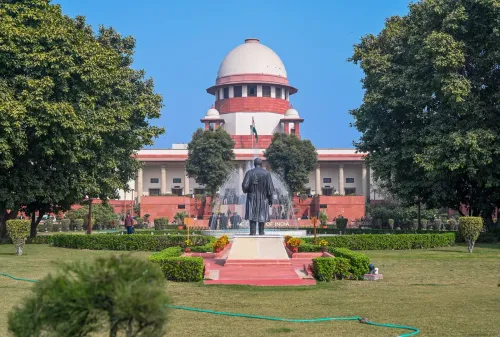
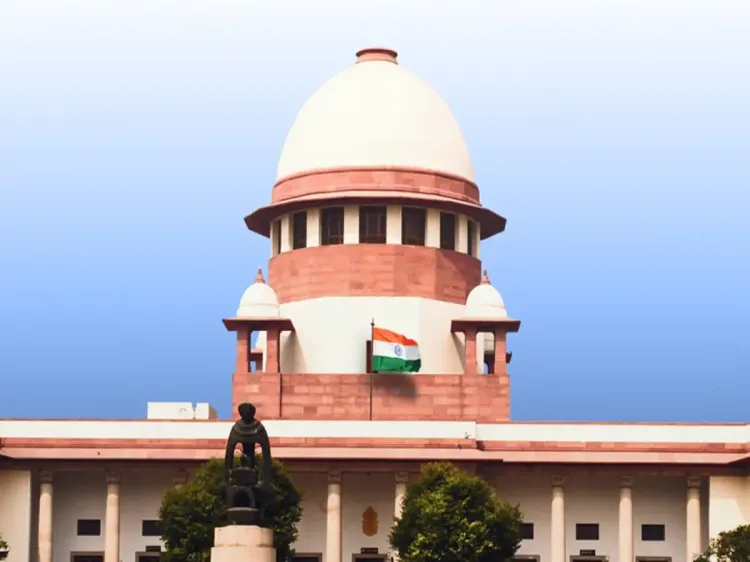
The Supreme Court of India on Wednesday, 29 April 2025, declined to issue additional directions or frame fresh guidelines to curb hate speech across the country, holding that the existing criminal law framework is sufficient to address such offences. The ruling came from a Bench comprising Justices Vikram Nath and Sandeep Mehta, which dismissed a batch of petitions seeking further judicial intervention against communal hate speech.
What the Court Decided
The Justice Nath-led Bench dismissed petitions that arose from incidents including alleged
Point of View
Not law. That the petitions date to 2020 and involve incidents from broadcast media and public assemblies underscores how slowly the system responds. Referring governments to a 2017 Law Commission report they have already ignored for eight years is less a solution than a polite acknowledgement of paralysis.
NationPress
16 Sept 2026
Frequently Asked Questions
What did the Supreme Court decide on hate speech guidelines?
The Supreme Court on 29 April 2025 declined to frame fresh guidelines or issue new directions on hate speech, holding that the existing criminal law framework under the IPC and BNSS 2023 is adequate. The court dismissed a batch of petitions seeking further judicial intervention.
Why did the Supreme Court refuse to frame new hate speech laws?
The court held that creating criminal offences and prescribing punishments falls exclusively within the legislative domain. Constitutional courts can interpret law and issue directions to enforce fundamental rights, but cannot compel Parliament or state legislatures to enact new legislation.
What recourse do citizens have if police refuse to register a hate speech FIR?
Aggrieved persons can approach the Superintendent of Police under Section 154(3) CrPC or Section 173(4) BNSS. They can also seek recourse before the jurisdictional magistrate under Section 156(3) CrPC or Section 175 BNSS, or file a private complaint.
What is the Law Commission's 267th Report referenced by the Supreme Court?
The Law Commission's 267th Report of 2017 recommended specific legislative amendments to address hate speech more comprehensively. The Supreme Court noted that the Union and state governments remain free to consider these recommendations if they deem evolving societal challenges require additional interventions.
Which incidents were at the centre of the dismissed petitions?
The petitions, filed from 2020 onwards, involved alleged communal narratives spread through broadcast media, social media, and public religious assemblies — including incidents linked to alleged 'Corona Jihad' campaigns, 'UPSC Jihad' broadcasts, and inflammatory speeches at religious gatherings.