Did the SC Take Suo Motu Cognizance of the Aravalli Range?

Synopsis
The Supreme Court has taken significant steps to address the ecological concerns of the Aravalli Range, initiating a hearing on December 29. This action stems from rising issues regarding illegal mining and environmental protection. With a ban on new mining leases and a comprehensive management plan underway, the future of this ecologically sensitive area hangs in the balance.
Key Takeaways
Supreme Court initiates suo motu cognizance on Aravalli issues.
Complete ban on new mining leases enforced by MoEF&CC.
Focus on ecological protection and sustainable practices.
Protests erupt in Rajasthan against mining activities.
Comprehensive management plan for Aravalli region underway.
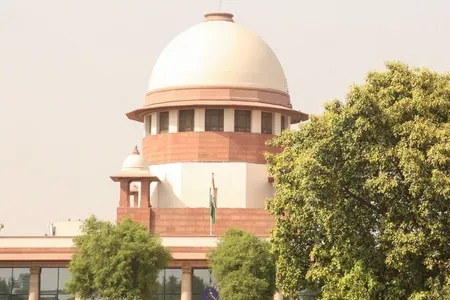
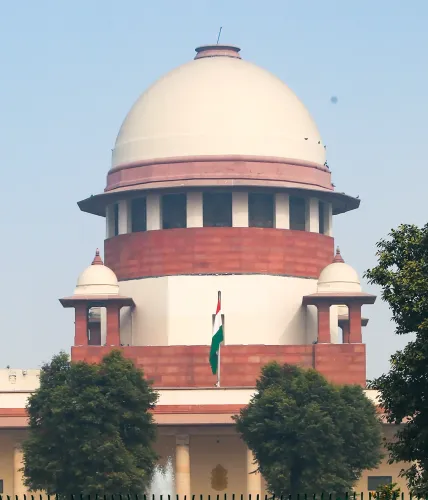
New Delhi, Dec 27 (NationPress) The Supreme Court has initiated suo motu cognizance regarding the definition of the Aravalli hills and their associated ranges.
According to the causelist released on the apex court's website, a Bench led by Chief Justice of India (CJI) Surya Kant, alongside Justices J.K. Maheshwari and A.G. Masih, is set to address the suo motu writ petition titled “In Re: Definition of Aravalli Hills and Ranges and Ancillary Issues” on December 29. This action has been prompted by rising concerns regarding the ecological protection of the vulnerable Aravalli range.
In a significant step to combat illegal mining and bolster ecological safeguards, the Union Ministry of Environment, Forest and Climate Change (MoEF&CC) has mandated state governments to enforce a complete ban on issuing any new mining leases in the Aravallis.
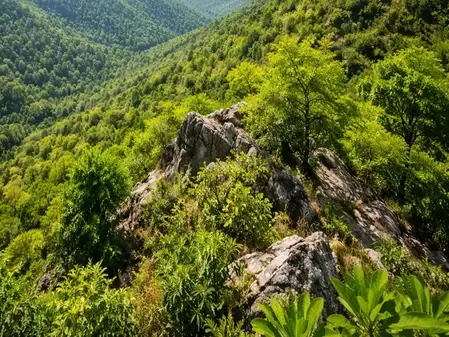
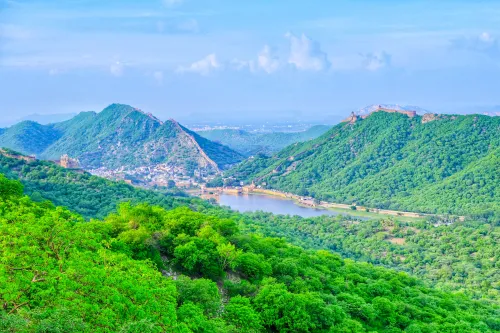
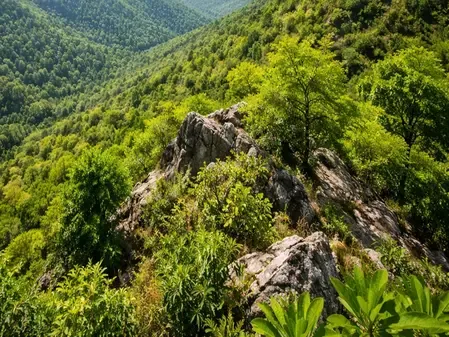
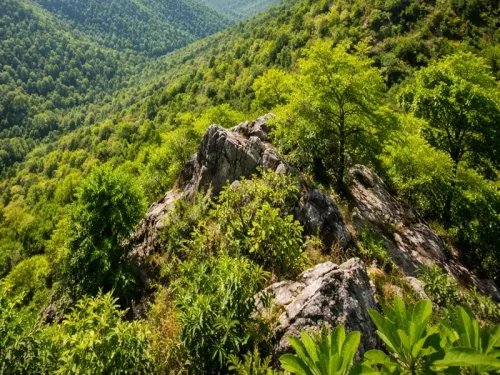
The Ministry clarified that this prohibition will apply consistently across the entire Aravalli landscape, spanning from Delhi to Gujarat. The goal is to maintain the integrity of the range as a continuous geological formation and to eliminate unregulated mining operations.
To further enhance the conservation strategy, the MoEF&CC has directed the Indian Council of Forestry Research and Education (ICFRE) to identify additional areas within the Aravalli range where mining activities must be restricted, beyond the zones already designated by the Centre.
This identification process will be grounded in ecological, geological, and landscape-level assessments, according to the Ministry.
The ICFRE is also responsible for developing a detailed, science-based Management Plan for Sustainable Mining (MPSM) for the entire Aravalli region, which will be shared publicly for broad stakeholder consultation.
The Ministry explains that this plan will evaluate cumulative environmental impacts, ecological carrying capacity, conservation-critical areas, and provide strategies for restoration and rehabilitation.
For existing mines, the Centre has instructed state governments to ensure strict adherence to all environmental safeguards and compliance with the Supreme Court’s directives.
Recently, Rajasthan Chief Minister Bhajan Lal Sharma has accused the Congress party of hypocrisy and misinformation, emphasizing that the BJP government is wholly dedicated to protecting the Aravalli range along with its ecological, cultural, and religious importance.
Protests have emerged across various districts of Rajasthan, including Udaipur, Jodhpur, Sikar, and Alwar, against newly approved mining activities in the Aravalli mountain range. Protesters demand the cancellation of the Supreme Court order and have threatened to escalate their demonstrations.
A Supreme Court ruling dated November 20, 2025, stipulates that only landforms exceeding 100 meters in elevation will be recognized as Aravalli hills. Environmentalists have expressed concerns that this definition leaves over 90% of the range unprotected.
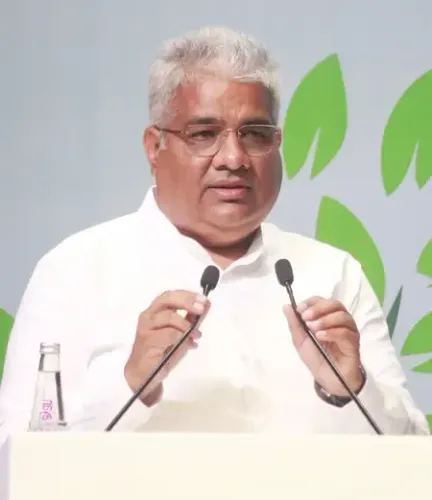
Union Minister Bhupendra Yadav has attempted to clarify the situation through a letter titled “Ek Patti Alwar Ke Naam,” assuring that the Aravalli range remains entirely safe, and asserting that the Supreme Court’s decision was made while balancing environmental protection, illegal mining prevention, and developmental needs.
In response to concerns from various groups, the minister highlighted that Alwar is a crucial component of the Aravalli mountain range, containing significant natural and heritage sites such as the Sariska Tiger Reserve and Siliserh Lake.
He emphasized, “The conservation and development of these areas are non-negotiable,” reiterating the government’s commitment to maintaining the ecological balance of the Aravalli region while allowing for lawful and sustainable development.
Point of View
It is imperative to recognize the Supreme Court's proactive stance on environmental issues, particularly concerning the Aravalli Range. This initiative reflects a growing understanding of the necessity for ecological preservation amidst developmental pressures. The government's commitment to sustainable practices must be balanced with the voices of local communities, ensuring that all stakeholders are considered in the ongoing dialogue about the Aravalli's future.
NationPress
30 Sept 2026
Frequently Asked Questions
What is the significance of the Aravalli Range?
The Aravalli Range is crucial for biodiversity and ecological balance, serving as a vital habitat for various species and influencing climate patterns.
What measures are being taken to protect the Aravalli Range?
The Supreme Court has initiated hearings and the MoEF&CC has imposed a ban on new mining leases to safeguard the ecological integrity of the Aravallis.
How will the new management plan affect existing mining operations?
The management plan will focus on sustainable practices, ensuring that current mining operations comply with environmental safeguards.
What role do local communities play in this issue?
Local communities are vital stakeholders, and their voices are being considered in the discussions about the future of the Aravalli Range.
What is the timeline for the Supreme Court hearing?
The Supreme Court hearing regarding the Aravalli Range is scheduled for December 29.