Is Seoul Considering the Repatriation of North Korean POWs Without Linking It to South Korean Detainees?
Synopsis
The South Korean government is focused on repatriating elderly North Korean POWs but is not linking this to the release of South Koreans detained in the North. This decision comes amidst concerns about the status of South Korean detainees. What does this mean for future diplomatic efforts?
Key Takeaways
The South Korean government prioritizes the repatriation of elderly North Korean POWs.
Linking POW repatriation to South Korean detainees is currently not under consideration.
Dialogue with North Korea is being emphasized to resolve detainee issues.
The status of South Korean detainees remains uncertain.
Humanitarian efforts are at the forefront of this issue.
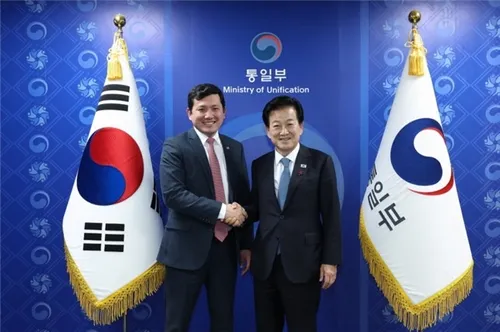
Seoul, Dec 4 (NationPress) The South Korean unification ministry announced on Thursday that it is focused on the repatriation of elderly ‘unconverted long-term’ North Korean prisoners of war (POWs), but is not contemplating a connection between this matter and efforts to secure the release of six South Koreans currently held in the North.
According to Seoul's national security adviser, as reported by NK News, a US-based outlet specializing in North Korean affairs, South Korea is open to discussing the return of unconverted, long-term North Korean POWs, aiming to facilitate the return of South Korean citizens detained in the North.
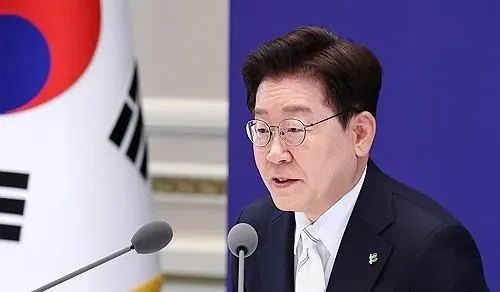
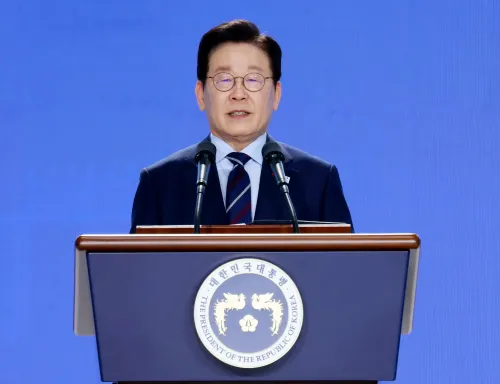
This information surfaced following a press conference on Wednesday where South Korean President Lee Jae Myung stated that he was unaware of the South Korean detainees in North Korea and lacked details on individual cases when questioned about the government's strategy to ensure their release.
In response to the report, the unification ministry clarified on Thursday that the government is not presently exploring options to exchange such North Korean POWs for South Koreans held in the North.
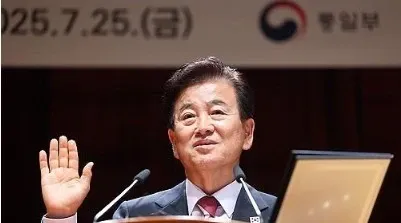
“From a humanitarian perspective, the government aims to repatriate unconverted long-term North Korean POWs. However, it is not currently considering linking this issue to the release of our nationals detained in the North,” an official from the ministry told reporters, requesting anonymity.
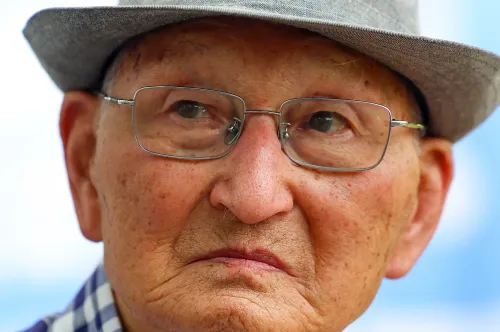
Ahn Hak-sop, a 95-year-old former North Korean soldier, has urged the government to facilitate his return to North Korea via China or Russia.
He is among six elderly ex-North Korean soldiers and spies who have yet to abandon their communist beliefs related to North Korea, despite enduring decades in South Korean prisons.
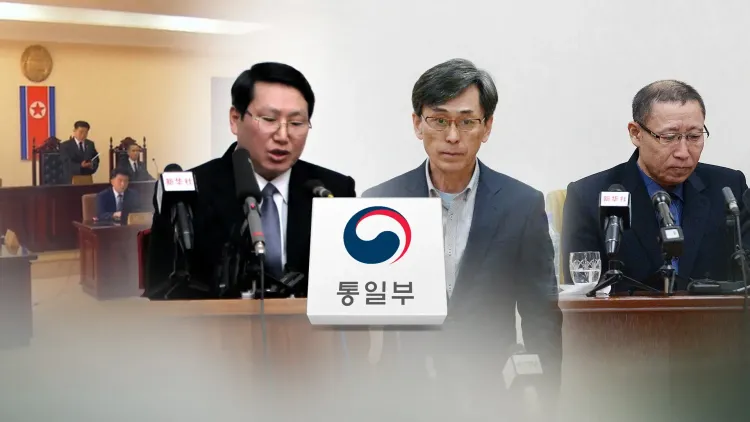
At present, three South Korean missionaries—Kim Jung-wook, Kim Kook-kie, and Choi Chun-gil—have been imprisoned in North Korea for over ten years on anti-state charges. Three former North Korean defectors, who had acquired South Korean citizenship, were also captured in 2016.
The whereabouts and conditions of these individuals remain unconfirmed by North Korea, as reported by Yonhap news agency.
The unification ministry acknowledges the “urgent” necessity to address the detainee situation and is striving to resolve it through dialogue with North Korea.
“The government is committed to making comprehensive efforts to secure the release of South Korean citizens detained in the North,” it stated.
Point of View
It's essential to maintain an unbiased perspective. The South Korean government's approach to repatriating North Korean POWs highlights a humanitarian effort, yet the lack of attention to South Korean detainees raises questions about priorities. The situation remains delicate, requiring careful navigation to promote dialogue and understanding.
NationPress
24 Sept 2026
Frequently Asked Questions
What is the status of the South Korean detainees in North Korea?
Currently, three South Korean missionaries have been detained in North Korea for over a decade, and their conditions remain unconfirmed.
Who are the 'unconverted long-term' North Korean POWs?
These are North Korean prisoners of war who have not renounced their communist beliefs and have been imprisoned in South Korea for decades.
Is there a chance of an exchange between North Korean POWs and South Korean detainees?
As of now, the South Korean government has stated it is not considering linking the repatriation of POWs to the release of South Korean detainees.
What efforts is the South Korean government making regarding detainees?
The unification ministry is actively seeking to resolve the detainee issue through dialogue with North Korea.
Why is this situation considered urgent?
The families of detainees and the humanitarian implications of both POWs and South Korean nationals held in the North highlight the urgency of addressing these issues.