Amit Shah sets 2028 drug-free Gujarat deadline, launches helpline 1033
Synopsis
Amit Shah has pulled Gujarat's drug-free deadline forward by a full year — to 31 December 2028 — while unveiling a 1033 helpline that promises three-hour response to anonymous tip-offs. By linking the drug trade to terrorism funding and calling on teachers and parents as frontline actors, Shah is framing this as a whole-of-society campaign, not just a policing exercise.
Key Takeaways
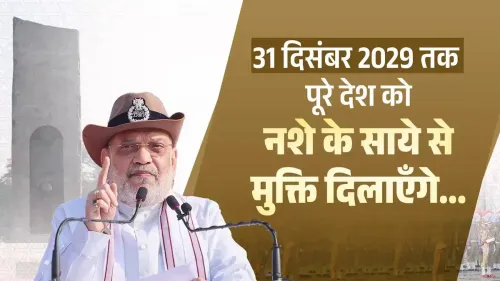
Amit Shah set a 31 December 2028 deadline for a drug-free Gujarat , one year ahead of India's national target of 31 December 2029 .
A toll-free helpline, 1033 , will be launched in Gujarat from 1 December for anonymous reporting of drug sale and consumption.
The state government has committed to acting on every helpline tip within three hours , with informant identities kept confidential.
Shah alleged that proceeds from the drug trade are being used to fund terrorism in India.
The Union Home Ministry and Gujarat Home Department are conducting joint coordination meetings, including one held on Kali Chaudas .
Shah called on teachers, parents, and citizens to actively participate and urged families to seek addiction treatment without fear of social stigma.
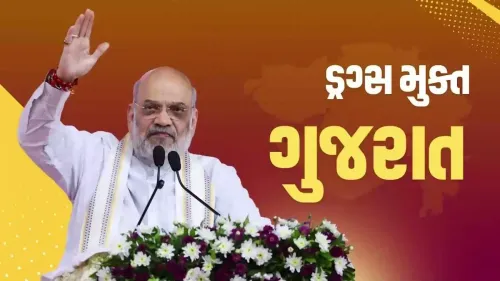
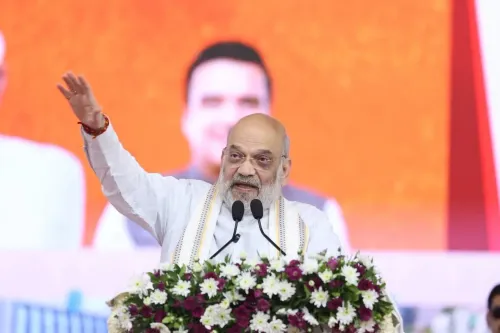
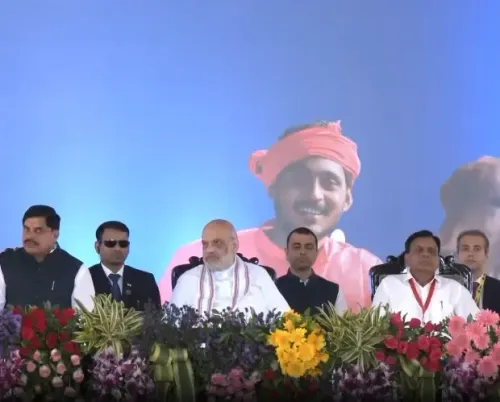
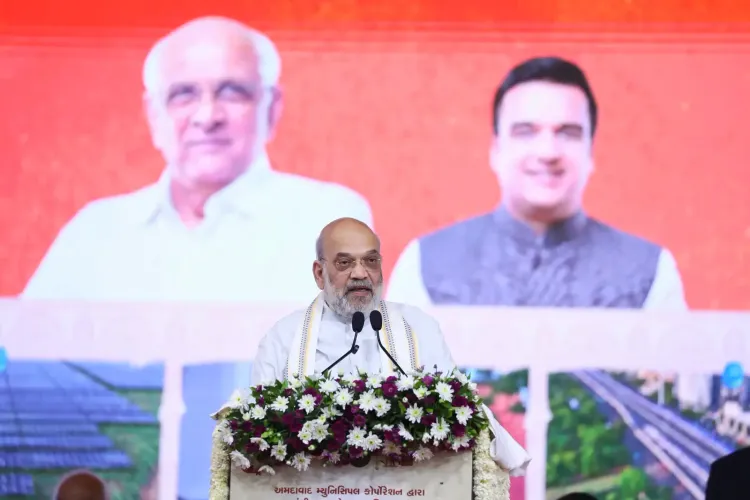
Union Home Minister Amit Shah on Monday, 9 November 2026, set a firm deadline of 31 December 2028 for making Gujarat drug-free — a full year ahead of the Centre's national target of 31 December 2029. Addressing a public gathering in Ahmedabad, Shah announced that a dedicated helpline number, 1033, would go live in Gujarat from 1 December, enabling citizens to anonymously report drug sale and consumption in their neighbourhoods.
Key Announcements
Shah confirmed that a control room for the 1033 helpline would be operational before 1 December. The number will be toll-free, with the identity of all informants kept strictly confidential. He added that the state government had committed to acting on every tip received through the helpline within three hours.
'India has to become drug-free by 31 December 2029. But Gujarat should not wait until 2029. We have to take responsibility for making Gujarat drug-free before 31 December 2028,' Shah said, addressing the gathering.
Centre-State Coordination
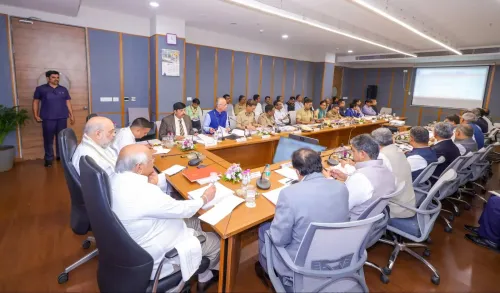
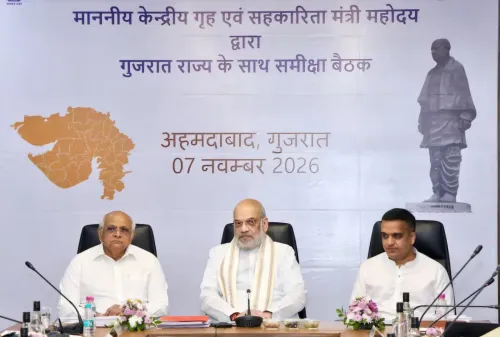
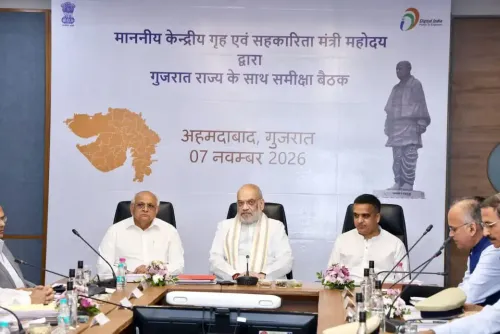
The Home Minister revealed that the Union Home Ministry had already begun coordinated efforts with the Gujarat Home Department to strengthen the anti-drug campaign. He noted that a joint meeting held on Kali Chaudas had discussed the implementation of three new criminal laws, modernisation of the Home Department, and concrete measures to make Gujarat drug-free. This signals that the campaign is being treated as an administrative priority rather than a one-off drive.
Role of Schools, Parents and Communities
Shah stressed that the fight against drugs could not be won by governments alone and required active participation from citizens, teachers, and parents. He urged teachers to stay alert to behavioural warning signs among students — including red eyes, frequent drowsiness, and an inability to concentrate — and to inform parents promptly so that children could be assessed.
He also appealed to parents to monitor their adolescent children closely and to overcome social stigma when seeking medical help. 'If we feel ashamed today, we may lose our children tomorrow,' Shah warned, drawing an analogy with seeking treatment for illnesses like malaria or tuberculosis. He assured families that the identity of children undergoing treatment would not be disclosed.
Drug Trade and Terrorism Link
Shah alleged that money generated through the drug trade was being used to promote terrorism in the country, framing the anti-drug campaign as a matter of national security and not merely a public health concern. He warned those involved in the trade of strict action and imprisonment.
Rehabilitation Alongside Enforcement
The minister underscored that enforcement alone would be insufficient. He said the government was working on setting up rehabilitation and treatment facilities for those already addicted, alongside intensified action against traffickers. Shah argued that drug addiction was damaging the physical and mental health of young people, affecting their ability to think, listen, concentrate, and make decisions.
Calling on residents of Ahmedabad and across Gujarat not to be 'silent spectators', Shah said the government would not compromise on action against the drug trade, but that public cooperation was essential to the campaign's success. All eyes will now be on whether the 1033 helpline infrastructure is ready before its 1 December launch date and whether the state meets its self-imposed 2028 deadline.
Point of View
Deadline-driven anti-drug campaigns in India have a mixed record: enforcement spikes tend to push supply chains underground rather than eliminate them, and rehabilitation infrastructure consistently lags enforcement spending. The terrorism-funding allegation is a significant escalation in framing and, if backed by intelligence, could justify central resources being redirected to Gujarat — but no evidence was placed on record at the event. The real test will be whether the 1033 helpline is adequately staffed and whether tip-offs lead to prosecutions rather than just seizures.
NationPress
9 Nov 2026
Frequently Asked Questions
What is the drug-free Gujarat deadline announced by Amit Shah?
Amit Shah has set 31 December 2028 as the deadline for making Gujarat drug-free, one full year before the Centre's national target of 31 December 2029. He made the announcement at a public gathering in Ahmedabad on 9 November 2026.
What is the 1033 helpline and how does it work?
1033 is a new toll-free helpline being launched in Gujarat from 1 December to allow citizens to anonymously report drug sale and consumption. The identity of informants will be kept confidential, and the state government has committed to taking action within three hours of receiving a tip-off.
How is the Centre coordinating with Gujarat on the anti-drug campaign?
The Union Home Ministry has begun coordinated efforts with the Gujarat Home Department, including a joint meeting held on Kali Chaudas that discussed implementation of new criminal laws, modernisation of the Home Department, and anti-drug measures.
What role did Amit Shah ask teachers and parents to play?
Shah urged teachers to watch for behavioural warning signs in students — such as red eyes, drowsiness, and poor concentration — and to alert parents. He asked parents to monitor adolescent children closely and to seek medical help for addiction without fear of social stigma, assuring that treated children's identities would not be disclosed.
Did Amit Shah link the drug trade to terrorism?
Yes. Shah alleged at the Ahmedabad event that money generated through the drug trade is being used to promote terrorism in India, framing the anti-drug campaign as a national security issue in addition to a public health concern.