Why Did Former Bangladesh PM Sheikh Hasina Thank PM Modi for His Support?
Synopsis
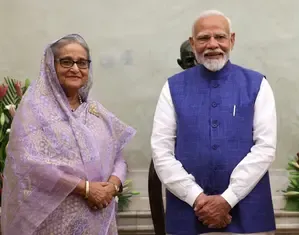
In a heartfelt expression of gratitude, former Bangladesh PM Sheikh Hasina thanked PM Modi for his support during her time of peril. This acknowledgment underscores the historic and strategic partnership between India and Bangladesh, emphasizing the importance of bilateral ties in ensuring regional stability.
Key Takeaways
Sheikh Hasina expresses gratitude to PM Modi for his support.
The enduring relationship between India and Bangladesh is crucial for regional stability.
India was the first to recognize Bangladesh’s independence in 1971.
Hasina faced significant challenges leading to her seeking refuge in India.
Ongoing cooperation is essential for addressing mutual interests.
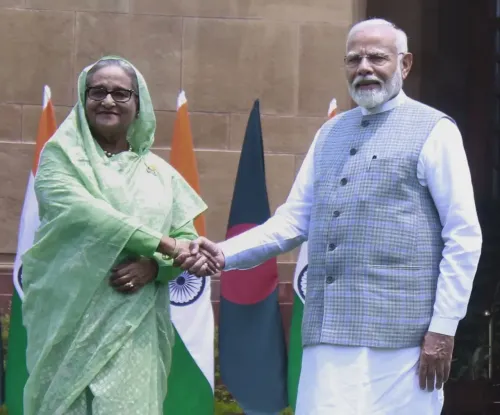
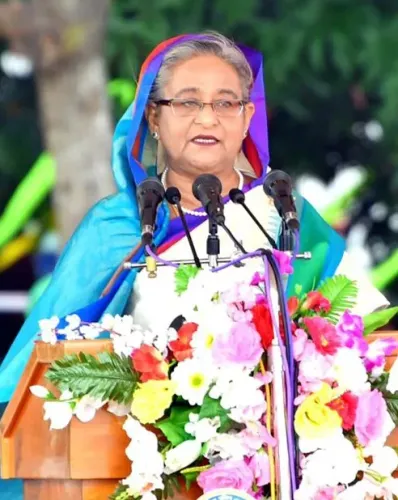
New Delhi, Dec 9 (NationPress) Sheikh Hasina, the former Prime Minister of Bangladesh, expressed her heartfelt appreciation to Prime Minister Narendra Modi on Tuesday for the assistance extended during tumultuous times. She commended the enduring relationship between India and Bangladesh.
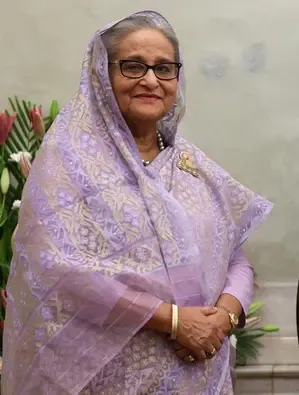
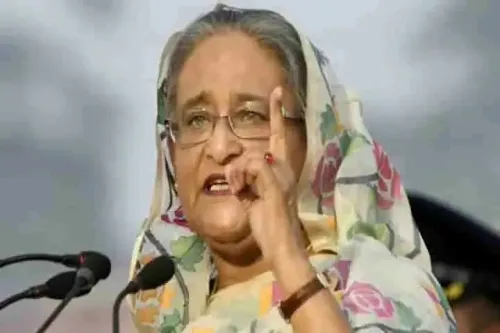
Hasina acknowledged India's role as a crucial neighbor and partner, especially during her time of peril, stating, “India is a crucial neighbor and partner. I highly value Prime Minister Modi’s support and the enduring relations we share. I am personally grateful for the sanctuary I found here during a period of danger. Strong bilateral ties with India are vital for Bangladesh’s stability and can contribute to long-term regional peace.”
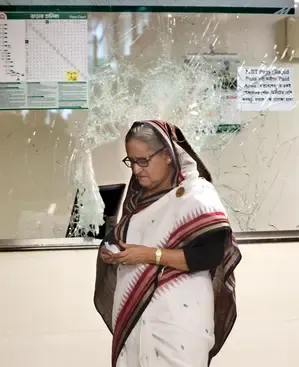
Following the collapse of her democratically elected government amid violent protests that resulted in numerous casualties, Hasina sought refuge in India in August last year. Recently, a special tribunal in Dhaka sentenced her to death in absentia for alleged “crimes against humanity” connected to the severe repression of student-led demonstrations.
When inquired about Modi’s assistance during her crisis, she refrained from disclosing private discussions but remarked, “I prefer not to discuss private conversations; however, I express my gratitude to the Indian populace for their unwavering support.”
In response to calls from Dhaka for the extradition of Hasina, her son Sajeeb Wazed expressed his profound gratitude towards Prime Minister Modi for safeguarding her and “saving my mother’s life.” He reiterated his thanks for India’s support during an interview with IANS on November 20.
“I am forever thankful to PM Modi. He has ensured my mother’s safety and provided her with protection,” he stated, acknowledging the role of the Government of India and the Indian people.
Recently, Bahauddin Nasim, Joint General Secretary of the Awami League, emphasized India’s longstanding friendship with Bangladesh, recalling that India was the first nation to recognize Bangladesh’s independence on December 6, 1971. This recognition occurred amidst severe atrocities committed by Pakistan’s invading forces, compelling millions to flee as refugees.
“India’s recognition was a powerful testament to standing with the oppressed. The sacrifices and compassion demonstrated by India’s leadership and citizens will forever be appreciated by the Bengali nation,” Nasim remarked.
Earlier in November, former Bangladesh Minister and Awami League leader Mohammad Ali Arafat criticized the interim government led by Mohammad Yunus, asserting that a regime supported by extremist factions would fail to comprehend the party’s longstanding connection with India.
Arafat emphasized, “Our relationship with India extends beyond 1971; it encompasses our mutual interests in combating terrorism both domestically and internationally. Under Sheikh Hasina's leadership, we resolved critical issues with India amicably, demonstrating that cooperation can yield significant benefits for both nations.”
Point of View
It is imperative to acknowledge the significance of the diplomatic relationship between Bangladesh and India. The mutual support during difficult times reinforces the notion that regional stability is in the best interest of both nations. Upholding this relationship is essential for fostering peace and collaboration in South Asia.
NationPress
20 Sept 2026
Frequently Asked Questions
What prompted Sheikh Hasina to thank PM Modi?
Sheikh Hasina thanked PM Modi for his support during a period of crisis and for providing refuge when her government faced collapse amid violent unrest.
What is the historical context of India-Bangladesh relations?
India was the first country to recognize Bangladesh's independence in 1971, which marked the beginning of a strong diplomatic relationship grounded in mutual interests.
What challenges did Sheikh Hasina face leading to her refuge in India?
Hasina fled to India after her government was toppled amid violent protests, leading to her being sentenced to death in absentia for alleged crimes against humanity.
How has PM Modi's support been perceived in Bangladesh?
PM Modi's support is viewed positively in Bangladesh, with leaders like Sajeeb Wazed expressing gratitude for the safety and protection provided to Hasina.
What future implications could arise from this relationship?
The ongoing cooperation between India and Bangladesh is likely to enhance regional stability and foster collaborative efforts against common challenges such as terrorism.