Shiv Sena (UBT) targets BJP's 'washing machine' for corrupt leaders
Synopsis
Uddhav Thackeray's Shiv Sena (UBT) has used its party mouthpiece Saamana to argue that India's anti-corruption framework is a sham — pointing to China's execution of two former defence ministers as a sobering contrast. The editorial's direct targeting of BJP's alleged 'washing machine' for corrupt leaders, PM Cares Fund opacity, and ED-driven political defections makes it one of the sharpest opposition broadsides in recent Maharashtra politics.
Key Takeaways
Shiv Sena (UBT) published a hard-hitting editorial in Saamana on 9 May , calling out India's failure to hold corrupt leaders accountable.
The editorial cited the sentencing to death of former Chinese Defence Ministers Wei Fenghe and Li Shangfu on bribery charges as a global benchmark.
It alleged that BJP operates a political "washing machine" that absorbs accused leaders, citing Suvendu Adhikari and AAP MP Ashok Mittal as examples.
The PM Cares Fund was flagged for being exempt from RTI queries, with alleged links between ED-investigated companies and BJP election donations.
The party argued that India's "Vishwaguru" and "Viksit Bharat" ambitions are hollow without genuine anti-corruption accountability.
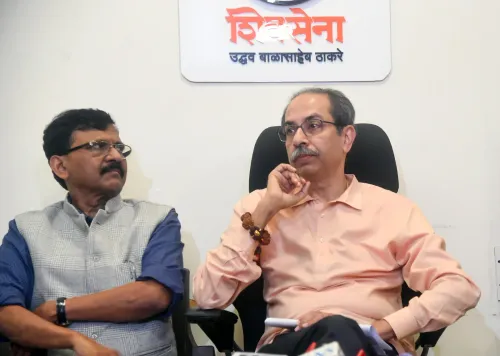
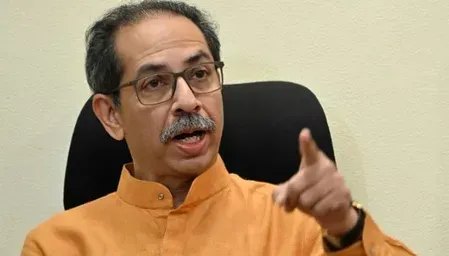
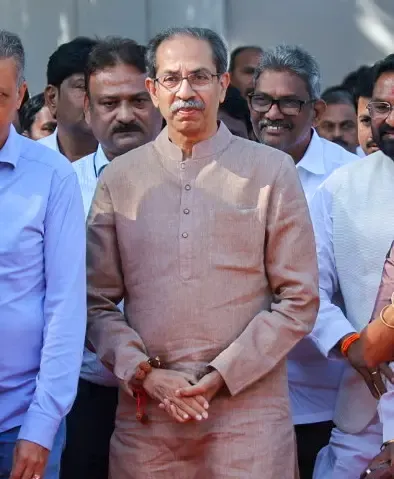
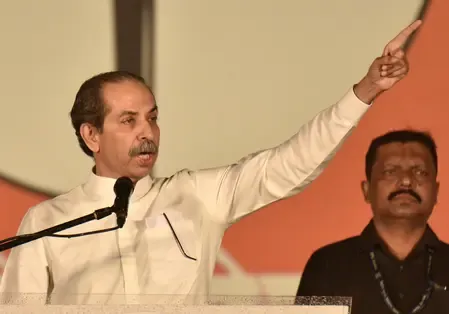
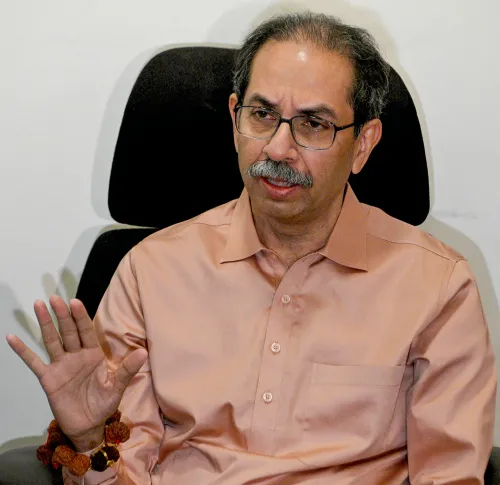
Shiv Sena (UBT), led by Uddhav Balasaheb Thackeray, on Saturday, 9 May declared that India's aspirations of becoming a "Vishwaguru" or achieving "Viksit Bharat" cannot be realised as long as a political "washing machine" continues to sanitise corrupt leaders. The party made these remarks through an editorial in its mouthpiece Saamana, launching a sharp broadside against the Bharatiya Janata Party (BJP) and the broader culture of shielding the accused in power.
The Core Allegation
The Saamana editorial argued that corruption remains India's biggest enemy and that those who surround themselves with corrupt individuals forfeit any moral authority to lecture others on patriotism. It warned that repeatedly diverting public attention through divisive narratives — such as "Love Jihad" or communal tensions — whenever corruption scandals surface poses a serious danger to the country's future.
China and Global Comparisons
The editorial drew a pointed contrast with how other nations handle corruption. It cited the cases of two former Chinese Defence Ministers — Wei Fenghe and Li Shangfu — who were reportedly sentenced to death by a military court on bribery charges. Despite their proximity to President Xi Jinping and their high-ranking status, they were expelled from the Communist Party and held to account.
"Looking at China, one feels pity for India's pathetic anti-corruption laws," the editorial stated. It further noted that in countries such as South Korea and Japan, former prime ministers have served prison time for similar offences. "In India, however, those involved in embezzling public funds or defaulting on massive bank loans often receive political protection or even prestigious national honours," it alleged.
BJP in the Crosshairs
The Thackeray camp specifically targeted the BJP, arguing that Prime Minister Narendra Modi's slogan "Na Khaunga, Na Khane Dunga" (I will not eat, nor let others eat) rings hollow when, critics argue, those accused of financial wrongdoing are welcomed into the party. The editorial cited the case of Suvendu Adhikari, whom the BJP had allegedly featured in a video purportedly showing him accepting a bribe, yet who was later inducted into the party and elevated to a leadership role.
It also alleged that investigative agencies like the Enforcement Directorate (ED) were used in Maharashtra to pressure leaders from the Shiv Sena and the Nationalist Congress Party (NCP) into joining the BJP to form a government. The editorial further claimed that AAP MP Ashok Mittal joined the BJP within 24 hours of ED raids on his institutions. "How can the corrupt be punished when the entire 'mountain of corruption' in the country is supported by the BJP?" the editorial asked.
PM Cares Fund Transparency Concerns
The editorial also raised concerns about the PM Cares Fund, describing it as a private fund holding thousands of crores that remains exempt from Right to Information (RTI) queries. It alleged that companies under ED investigation are among the major donors to the BJP's election funds, pointing to what it called a "deep-rooted systemic issue."
The Way Forward
The Uddhav Thackeray-led party concluded that if India is to genuinely progress, the cycle of politically cleansing corrupt leaders must end. It argued that if China can execute former ministers for betraying public trust, India must, at the very least, metaphorically "hang" the "washing machine" that continues to protect the corrupt. The editorial's timing — amid ongoing political tensions in Maharashtra — signals that the Maha Vikas Aghadi opposition is sharpening its anti-corruption narrative ahead of future electoral contests.
Point of View
While rhetorically powerful, sidesteps the fact that Beijing's anti-corruption campaigns are widely seen as tools of political consolidation rather than rule of law. More substantively, the editorial's allegations about ED pressure and PM Cares Fund opacity touch on genuine accountability gaps that mainstream political coverage has underreported. The real question is whether opposition parties like Shiv Sena (UBT) can sustain this narrative beyond editorials — or whether it remains rhetoric without a legislative or legal strategy behind it.
NationPress
22 Sept 2026
Frequently Asked Questions
What did Shiv Sena (UBT)'s Saamana editorial say about corruption in India?
The editorial argued that India's political system operates a 'washing machine' that sanitises corrupt leaders, shielding them from accountability through party defections and alleged misuse of agencies like the ED. It said this undermines India's aspirations of becoming a Vishwaguru or Viksit Bharat.
Why did the editorial compare India to China on corruption?
The editorial cited the sentencing to death of two former Chinese Defence Ministers, Wei Fenghe and Li Shangfu, on bribery charges, arguing this represents a level of anti-corruption accountability absent in India, where the accused often receive political protection or national honours instead.
What allegations did Shiv Sena (UBT) make against the BJP?
The party alleged that the BJP absorbs leaders accused of corruption, citing Suvendu Adhikari and AAP MP Ashok Mittal as examples. It also alleged that the ED was used to pressure Shiv Sena and NCP leaders in Maharashtra into joining the BJP to form a government.
What concerns were raised about the PM Cares Fund?
The editorial described the PM Cares Fund as a private fund holding thousands of crores that is exempt from RTI queries. It alleged that companies under ED investigation are among its major donors, pointing to what it called a deep-rooted systemic conflict of interest.
Who is the target audience of the Saamana editorial?
Saamana is the official mouthpiece of Shiv Sena (UBT) and primarily addresses party supporters and Maharashtra's Marathi-speaking electorate. The editorial appears aimed at sharpening the party's anti-corruption narrative ahead of future political contests in the state.