How is South Korea Enhancing Cooperation on Climate Change with Pacific Island Nations?
Synopsis
South Korean President Lee Jae Myung has pledged to strengthen ties with Pacific Island countries, focusing on climate change and sustainable development. This commitment was made during a significant meeting in Seoul, highlighting Korea's role as a leader in addressing global challenges. Discover how these nations plan to collaborate for a better future.
Key Takeaways
South Korea is enhancing ties with Pacific Island nations .
Focus on addressing climate change and sustainable development.
Commitment to doubling official development assistance.
Importance of collaboration for vulnerable nations.
Continued dialogue is essential for future cooperation.
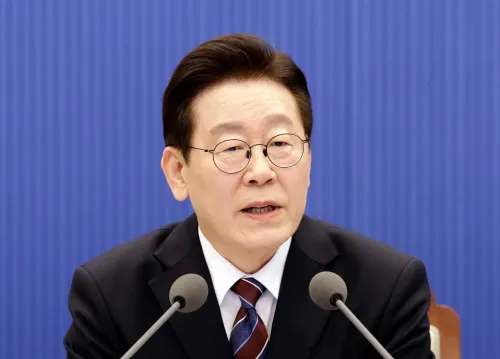
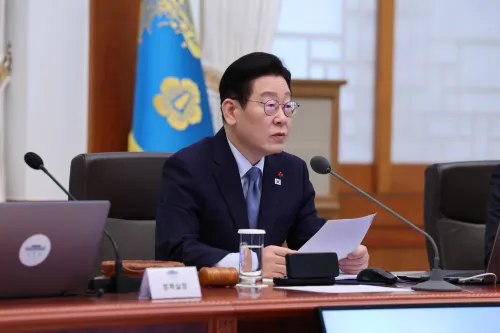
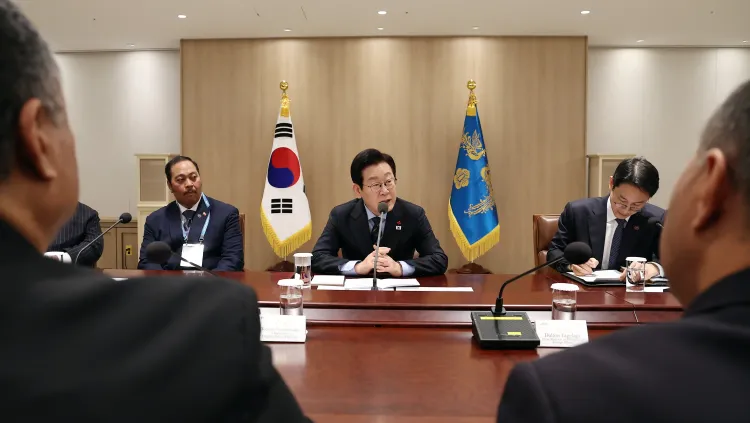
Seoul, Dec 10 (NationPress) President Lee Jae Myung of South Korea convened with foreign ministers from various Pacific Island nations on Wednesday, expressing a commitment to strengthen collaboration on climate change and other mutual global issues.
During the discussions with the leading diplomats from 15 Pacific Island states, along with the secretary general of the Pacific Islands Forum, Lee emphasized the importance of cooperative efforts, coinciding with the sixth Korea-Pacific Islands foreign ministers' assembly held in Seoul.
“As a responsible global community member, the Republic of Korea is dedicated to taking the lead in confronting the urgent challenges humanity faces,” Lee articulated, referencing South Korea's formal designation.
“We are committed to proactively addressing the shared peril of the climate crisis and aiding vulnerable nations in achieving sustainable growth based on South Korea’s developmental experiences, fostering a brighter future together,” he further remarked.
Lee underscored Korea's expanding strategic relationships with these nations, pointing out its significance as a major supplier of tuna and a vital fisheries center, along with its potential for increased collaboration in the mineral and energy sectors, as reported by Yonhap news agency.
In the ministerial meeting led by Foreign Minister Cho Hyun on Tuesday, the diplomats collectively endorsed a statement aimed at boosting cooperation on climate change, environmental issues, and maritime affairs.
Cho expressed that South Korea would enhance its partnership with Pacific Island countries in areas like climate change, digital advancements, and development initiatives to address regional challenges.
This commitment was made during the sixth Korea-Pacific Islands foreign ministers' meeting in Seoul, where he noted that Seoul had doubled its official development assistance this year compared to 2023.
“We will persist in advancing cooperation tailored to the local needs, prioritizing climate resilience, digital growth, and resource management,” Cho stated in his opening remarks.
For Pacific Island countries, climate change is a top priority in their foreign policy, as rising sea levels threaten the very existence of these islands within decades.
Lee welcomed the results of the meeting and expressed optimism for continued dialogue and exchanges through high-level consultations.
Since establishing diplomatic relations starting with Tonga in 1970, South Korea has consistently broadened its interactions with Pacific Island nations.
Point of View
South Korea's commitment to enhancing cooperation with Pacific Island nations on climate change is not only commendable but essential. This proactive approach demonstrates a dedication to addressing pressing challenges that impact vulnerable communities. As we navigate these significant issues, it's crucial for nations to unite and collaborate for a sustainable future.
NationPress
19 Sept 2026
Frequently Asked Questions
What was the main focus of the meeting between South Korea and Pacific Island nations?
The primary focus was to enhance cooperation on climate change and other shared global challenges.
What commitments did President Lee Jae Myung make?
He pledged to support vulnerable countries in achieving sustainable growth and addressing the climate crisis.
How has South Korea's aid changed this year?
South Korea has doubled its official development assistance in 2023 compared to the previous year.
Why is climate change a critical issue for Pacific Island nations?
Rising sea levels pose an existential threat to these islands, making climate change a top priority in their foreign policy.
What is the significance of the meeting for future relations?
The meeting represents a strengthening of ties and commitment to collaboration, which is crucial for addressing climate challenges.