SP hits back at Keshav Prasad Maurya, Rajbhar over 'split' claims
Synopsis
UP Deputy CM Keshav Prasad Maurya claims 25-26 SP MPs are ready to defect — SP calls it a calculated lie. The exchange reveals a BJP strategy to fracture SP's PDA coalition ahead of 2027, with SP decoding why the number '25' was chosen: it is exactly the two-thirds threshold needed under anti-defection law.
Key Takeaways
UP Deputy CM Keshav Prasad Maurya claimed on Wednesday that 25-26 SP MPs are ready to break away from the party.
SBSP chief Om Prakash Rajbhar separately predicted an SP split, reportedly hinting at SP MP Sanatan Pandey as a potential breakaway leader — a claim Pandey denied.
SP General Secretary Shivpal Singh Yadav dismissed Maurya's remarks as lies, noting SP had defeated him in multiple elections.
SP spokesperson Ashutosh Verma alleged the claims are part of a BJP strategy to counter SP's PDA narrative using OBC and minority-community leaders.
Verma noted that 25 MPs represents the two-thirds threshold of SP's 37 Lok Sabha MPs required under anti-defection law for a legal split.
RJD MP Manoj Jha warned the trend threatens the integrity of party symbols and voter mandates across India.
Samajwadi Party (SP) leaders on Thursday, 18 June sharply rebuked Uttar Pradesh Deputy Chief Minister Keshav Prasad Maurya and Suheldev Bharatiya Samaj Party (SBSP) chief Om Prakash Rajbhar after both claimed the Akhilesh Yadav-led party was on the verge of a split. SP dismissed the assertions as politically motivated fabrications designed to unsettle its ranks ahead of the 2027 Uttar Pradesh assembly elections.
What Maurya and Rajbhar Claimed
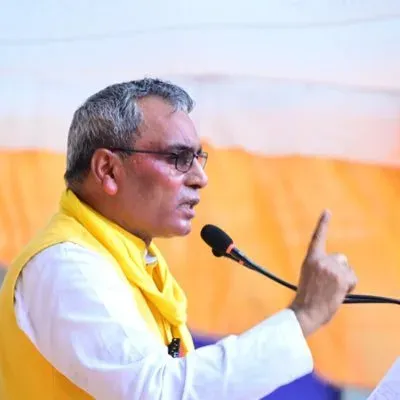
At a press conference on Wednesday, Maurya stated: '25-26 MPs of Samajwadi Party are ready to break away, but we are not breaking them. We know that they will themselves break away...' Rajbhar separately claimed that a split within SP was inevitable and would be led by the 'son of UP's land of rebels' — a remark widely interpreted as a reference to SP MP Sanatan Pandey. Pandey, however, denied the claims outright when approached for comment.
SP's Counterattack
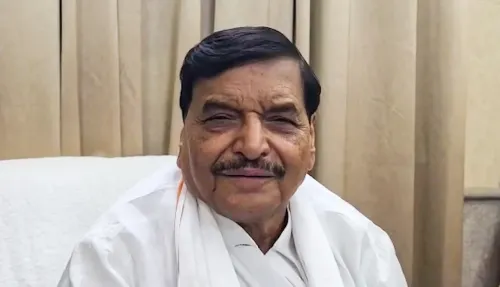
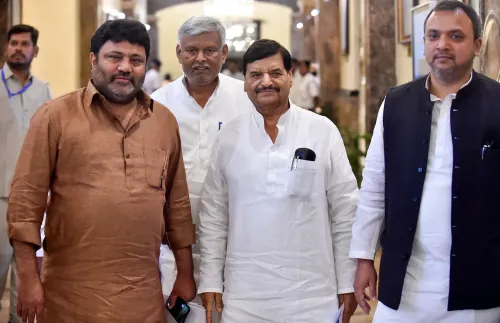
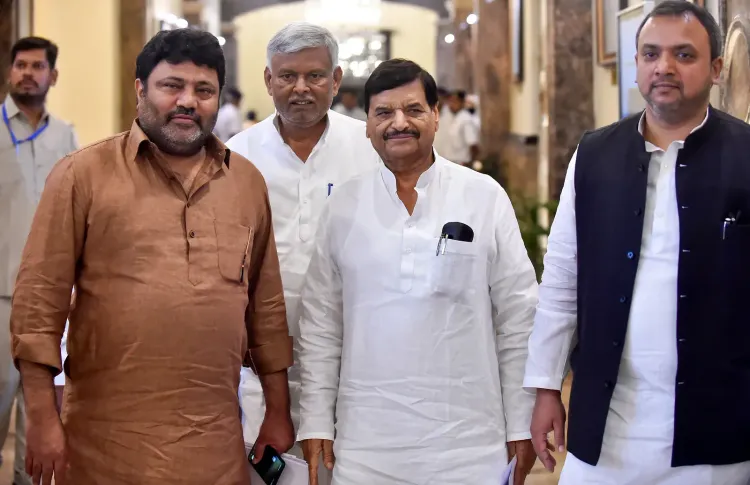
SP national General Secretary Shivpal Singh Yadav was unsparing in his response. 'Keshav Prasad Maurya is not even in a position to ensure his own victory. The Samajwadi Party has defeated him in several elections. Therefore, when he makes such statements, it only reflects that these are the people who spread lies,' he said.
SP MP Neeraj Kushwaha Maurya took aim at Rajbhar, alleging he was anxious about his own political standing. 'In the coming time, he may face a major defeat in the constituency where he is currently an MLA. That is why he is making such baseless statements. Actually, these people are concerned about their future,' he said.
The Strategic Calculation Behind the Numbers
SP spokesperson Ashutosh Verma argued the remarks were part of a deliberate Bharatiya Janata Party (BJP) strategy to erode SP's PDA (Pichhda, Dalit, Alpsankhyak) coalition. 'The BJP has positioned leaders from the PDA community to counter the PDA narrative. First, Rajbhar, then Maurya, and soon (Sanjay) Nishad may come forward, followed by Anupriya Patel. However, no Thakur, Brahmin, or leader from an upper caste within the BJP will make such statements,' Verma said.
He also decoded the specific figure cited by Maurya: 'In order to break the 37 (SP Lok Sabha) MPs, they will require a two-thirds majority, meaning 25 MPs, that is why the number 25 is being claimed.' This is a reference to the anti-defection threshold under the Tenth Schedule of the Constitution, which requires at least two-thirds of a party's legislators to merge with another faction for it to be legally recognised.
Opposition Solidarity and the 2027 Backdrop
SP MP Jitendra Kumar Dohare framed the attacks as a sign of desperation. 'Samajwadi Party is strong, and under Akhilesh Yadav's leadership, we are going to form the government (in UP) in 2027, that is why these leaders are frustrated,' he said.
Rashtriya Janata Dal (RJD) MP Manoj Jha also rallied behind SP, warning of broader democratic consequences. 'This is not the danger of one particular political party, but rather the Indian voters are in trouble. (Such defections) would mean that parties and their symbols do not matter anymore,' he said. This comes amid a wider national pattern of ruling coalitions being accused of engineering defections in opposition-held states — a charge the BJP has consistently denied.
Point of View
Suggesting this was a legally informed provocation rather than idle speculation. What is striking is SP's own counter-framing: by naming the two-thirds rule publicly, the party is essentially telling its MPs that any defection attempt has a legal ceiling, which is as much internal messaging as it is a rebuttal. Rajbhar and Maurya are both from communities SP courts under its PDA umbrella, and their coordinated messaging signals that the BJP's 2027 strategy may hinge on peeling away OBC and Dalit leaders before the campaign begins. Whether SP's ranks hold will depend less on rhetoric and more on whether Akhilesh Yadav can deliver credible ticket assurances to restless MPs over the next 18 months.
NationPress
18 Sept 2026
Frequently Asked Questions
What did Keshav Prasad Maurya say about the Samajwadi Party split?
UP Deputy CM Keshav Prasad Maurya claimed at a press conference on Wednesday that 25-26 SP MPs were ready to break away from the party, though he said the BJP was not actively engineering the split. SP dismissed the statement as a fabrication.
Who is Sanatan Pandey and why is he being mentioned?
Sanatan Pandey is an SP Lok Sabha MP. SBSP chief Om Prakash Rajbhar hinted that a split in SP would be led by the 'son of UP's land of rebels,' widely interpreted as a reference to Pandey. Pandey has denied any such plans.
Why did SP cite the number 25 in its response?
SP spokesperson Ashutosh Verma explained that 25 represents the two-thirds majority of SP's 37 Lok Sabha MPs — the minimum required under India's anti-defection law for a breakaway faction to be legally recognised. SP argued the figure was deliberately chosen with this legal threshold in mind.
What is the PDA narrative and why does it matter here?
PDA stands for Pichhda (OBC), Dalit, and Alpsankhyak (minorities) — the coalition SP has built its electoral strategy around. SP alleges that BJP is deploying OBC and minority-community leaders like Maurya and Rajbhar specifically to fracture this coalition ahead of the 2027 UP assembly elections.
When are the next Uttar Pradesh assembly elections?
The next Uttar Pradesh assembly elections are due in 2027. Both SP and BJP are positioning themselves well in advance, making the current war of words part of a broader pre-election battle for coalition stability and narrative control.