Is a Student-Led Revolt in PoK Inevitable Like in Nepal and Bangladesh?

Synopsis
The ongoing protests in Pakistan-administered Kashmir (PoK) reflect a significant student uprising reminiscent of past movements in Nepal and Bangladesh. With growing grievances over educational policies and governmental oppression, could this unrest signal the beginning of a larger national movement?
Key Takeaways
Student-led protests in PoK are gaining momentum.
Government suppression tactics include banning student unions.
Support from local organizations could empower protesters.
Historical parallels with Nepal and Bangladesh highlight potential risks.
Broader societal unrest may ensue if grievances remain unaddressed.
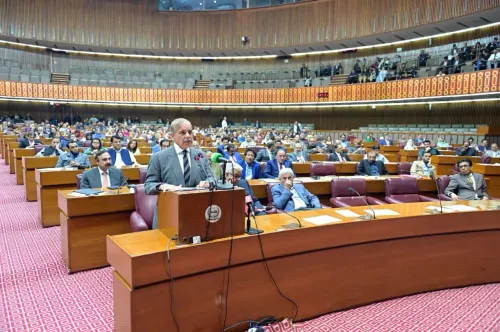
New Delhi, Nov 5 (NationPress) Pakistan-administered Kashmir (PoK) is experiencing renewed unrest, a situation the Shehbaz Sharif government believed was under control. Reports of significant human rights violations, particularly targeting students, have emerged, prompting condemnation from India.
Intelligence sources indicate a shift in the protest dynamics; unlike last month’s demonstrations led by political figures and activists, this time it is the students at the forefront. This development raises alarms for the Sharif administration, recalling the impactful student-led movements in Nepal and Bangladesh.
The unrest originated at the University of Azad Kashmir, where students protested against perceived injustices in the intermediate exam system and escalating tuition fees. In response, the government swiftly prohibited student unions and political engagement on campus.
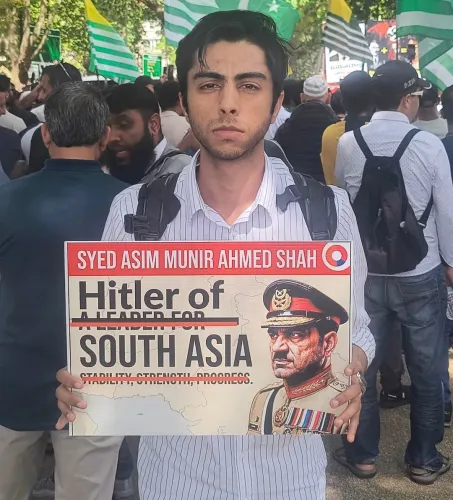
Currently, the protests are exclusively student-driven, featuring anti-government slogans directed at the Sharif regime and the Pakistan military's actions.
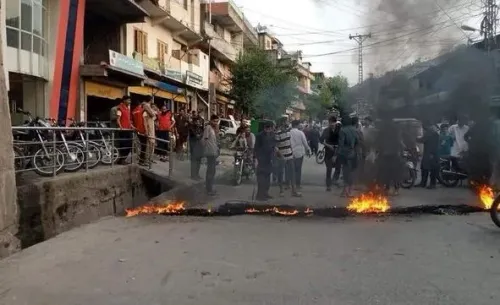
The Sharif government is taking no risks and is implementing measures to suppress the protests. Intelligence reports suggest that this discontent could spread beyond PoK, potentially igniting a larger movement across Pakistan.
Recent events in Nepal are fresh in the minds of many. The protests in Kathmandu share notable parallels with the current situation in PoK, with grievances centered around corruption, insufficient opportunities, and lack of development. The unrest in Nepal escalated into violence following a government-imposed ban on social media.
Students in PoK are echoing similar concerns. Although corruption and development issues have been longstanding complaints, the recent backlash specifically targets the exam boards' e-marking policy, which is claimed to negatively impact around 10,000 students.
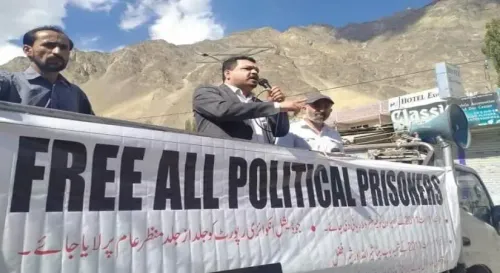
The Pakistani government is apprehensive that other groups may join the students, potentially transforming this into a nationwide movement. The Jammu and Kashmir Joint Awami Action Committee (JKJAAC) has expressed its support for the students, which could strengthen their resolve against the government.
Experts advise that this situation should not be interpreted in isolation. Pakistan is grappling with multiple challenges, including unrest in Balochistan and Khyber Pakhtunkhwa, regions where the military is struggling to maintain order.
Additionally, the government is preoccupied with the political challenges posed by Imran Khan and his supporters. The student-led protests in PoK can garner sympathy from students nationwide due to the oppression they face, which concerns the Sharif administration.
An official noted that arbitrary detentions of students, human rights violations, and the repression of unions are detrimental to Pakistan's stability.
The current handling of the situation suggests a potential escalation, not only for PoK but for the entire nation. Observers of PoK assert that issues like corruption and mismanagement are longstanding and have often been met with forceful suppression from the government. In recent months, however, there has been a notable shift, with individuals increasingly challenging the status quo. Each time the government has attempted a truce, it has proven to be short-lived.
Officials warn this is a clear sign that unrest is brewing, and Pakistan may soon face a situation akin to what occurred in Nepal or Bangladesh.
Point of View
It is essential to acknowledge the legitimate grievances of the students. The historical context of student movements in the region highlights a pattern of governmental suppression. As an editor-in-chief, I advocate for a balanced approach that considers the voices of those protesting while emphasizing the need for constructive dialogue to resolve these issues.
NationPress
20 Sept 2026
Frequently Asked Questions
What sparked the recent student protests in PoK?
The protests were sparked by complaints regarding unfair practices in the intermediate exam system and rising tuition fees at the University of Azad Kashmir.
How is the government responding to the protests?
The government has banned student unions and political activities on campus and is taking measures to suppress the protests.
Are the protests gaining support from other groups?
Yes, the Jammu and Kashmir Joint Awami Action Committee has pledged support for the protesting students, indicating potential for a wider movement.
What are the historical parallels with Nepal and Bangladesh?
The protests in PoK echo past movements in Nepal and Bangladesh that were driven by frustrations over corruption, lack of opportunities, and government repression.
What are the potential implications of these protests?
If the protests continue to escalate, there is a risk of a nationwide movement that could challenge the government's authority and policies.