Should Bail Be Linked to Monetary Deposits or Undertakings?
Synopsis
In a groundbreaking ruling, the Supreme Court stated that bail should not be contingent on monetary deposits, emphasizing that such practices could undermine the justice system. This decision aims to prevent coercive settlements and ensure fair treatment in bail hearings.
Key Takeaways
Bail should not depend on financial conditions.
Coercive settlements undermine justice.
Court decisions must be based on merit.
Precedents matter in legal rulings.
Access to justice is fundamental.
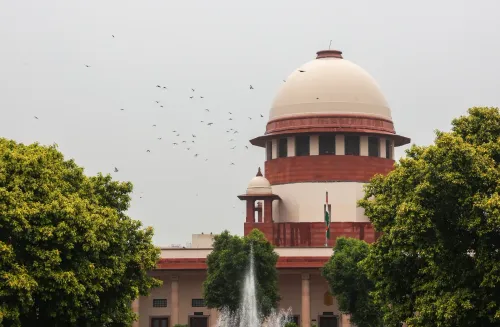
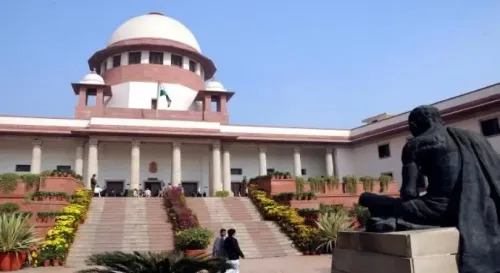
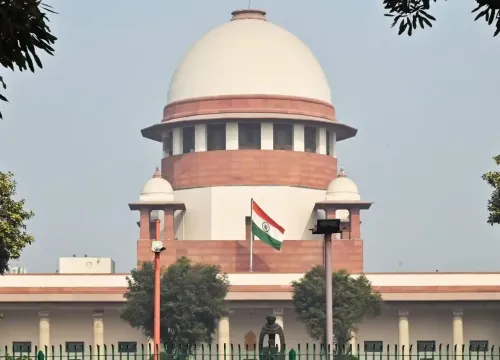
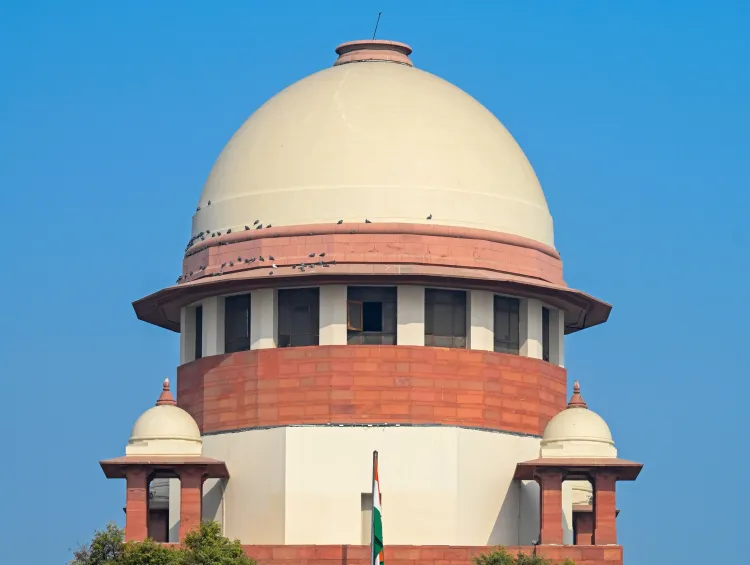
New Delhi, Jan 23 (NationPress) In a landmark decision regarding bail jurisprudence, the Supreme Court has stated that courts must not require upfront monetary deposits or undertakings as prerequisites for granting or considering bail. Such practices can disrupt the criminal justice system and may be exploited to coerce settlements.
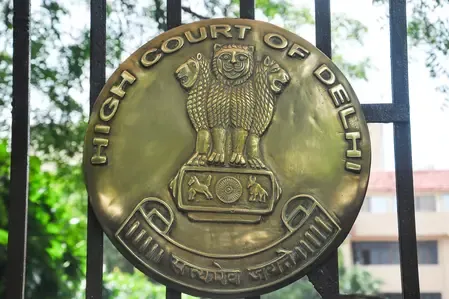
A bench composed of Justices Manoj Misra and Manmohan expressed these views while reviewing a special leave petition (SLP) that contested a Delhi High Court ruling which refused to extend interim bail for an accused involved in a case concerning the alleged misappropriation of government subsidy funds.
In alignment with its recent ruling in Gajanan Dattatray Gore vs. State of Maharashtra, the apex court reaffirmed that bail relief should not be tied to financial stipulations.
"The ruling in Gajanan Dattatray Gore discourages the practice of courts demanding upfront deposits or commitments for such deposits from applicants seeking bail or stay for their requests to be considered on their merits," remarked the Justice Misra-led Bench.
This practice can "foster implications with ulterior motives and jeopardizes the criminal justice delivery system, making it a weapon for unscrupulous complainants to extort settlements and pressure the opposing party to forfeit their right to defense," they added.
The SLP originated from a July 21, 2025, order from the Delhi High Court, which denied extending the accused's interim bail linked to an FIR filed by the Economic Offences Wing due to his non-compliance with an undertaking to deposit the allegedly misappropriated funds.
In its ruling, the Supreme Court noted that instead of repeatedly extending interim bail with demands for additional deposits, the more appropriate action is to consider the regular bail application based on its own merits.
"If an individual cannot meet the undertaking, that should not be a reason to postpone evaluating the bail application on its merits," the bench commented.
Additionally, it highlighted that for offenses under Section 409 of the IPC, there is no inherent presumption of guilt for a company director, and such liability must be established during trial.
Concluding the SLP, the apex court instructed the Delhi High Court to promptly address the regular bail application of the accused, ideally within three weeks, while allowing the interim protection to remain in effect in the meantime.
"In the meantime, the interim order issued on July 21, 2025, shall continue to be effective," it ordered.
Point of View
I firmly believe that the Supreme Court's ruling is a significant step towards ensuring justice. By removing financial barriers to bail, we uphold the principle that justice should be accessible to all, not just those who can afford it.
NationPress
26 Sept 2026
Frequently Asked Questions
Why should bail not be linked to monetary deposits?
Linking bail to monetary deposits can disrupt the criminal justice system and may lead to coercive settlements, undermining fair legal processes.
What did the Supreme Court rule regarding bail?
The Supreme Court ruled that courts must not require upfront monetary deposits as a condition for granting bail, emphasizing that justice should be based on merit.
What is the significance of the Gajanan Dattatray Gore case?
The Gajanan Dattatray Gore case set a precedent that discourages courts from linking bail relief to financial conditions, reinforcing the importance of evaluating bail requests on their merits.
How does this ruling affect accused individuals?
This ruling allows accused individuals to seek bail without financial prerequisites, promoting a fairer judicial process.
What must happen next for the accused in this case?
The Supreme Court has instructed the Delhi High Court to expedite the regular bail application process for the accused, ideally within three weeks.