What Legacy Did Sushil Kumar Modi Leave Behind?
Synopsis
On Sushil Kumar Modi's birth anniversary, Shivanand Tiwari reflects on their political journey, highlighting Modi's respect, ideology, and legacy in Bihar's history. Their relationship showcases a rare bond formed through shared experiences and mutual respect, despite political differences.
Key Takeaways
Mutual respect defined the relationship between Modi and Tiwari.
Social engineering was embraced by Modi early in his political career.
Modi was a grassroots mobilizer with a personal connection to party workers.
His marriage to a Christian symbolized an inclusive approach to politics.
Political voids left by such leaders are concerning for the future.
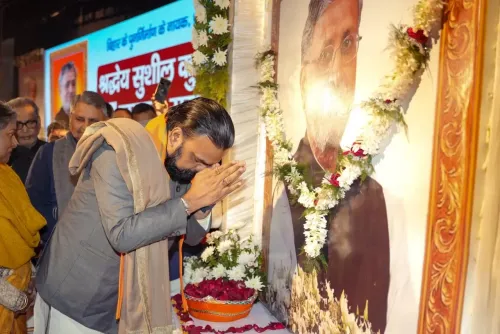
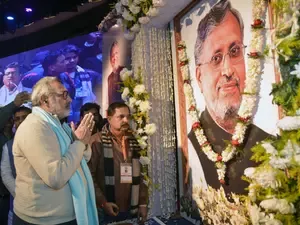
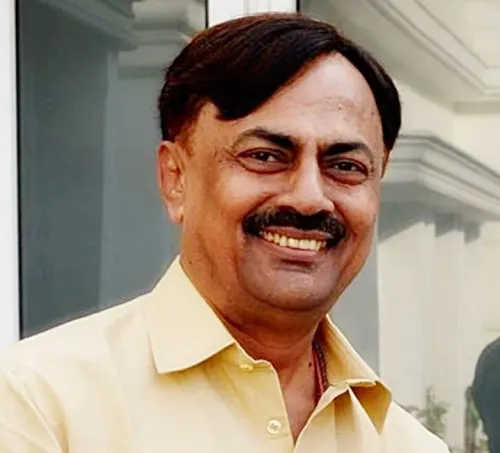
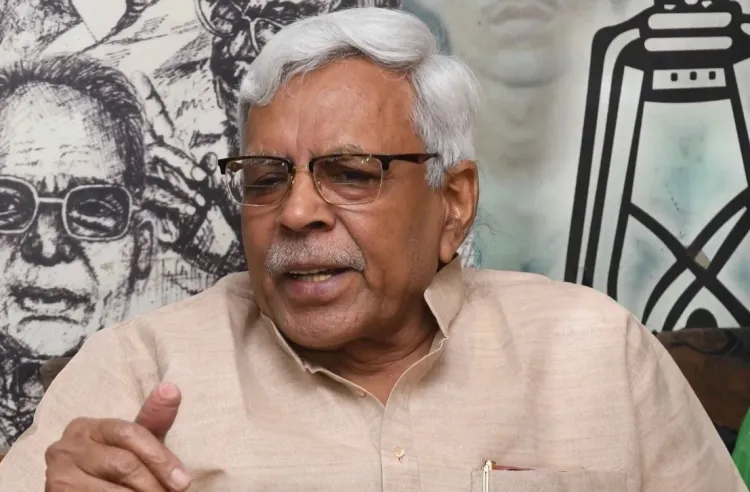
Patna, Jan 5 (NationPress) On the occasion of Sushil Kumar Modi's birth anniversary, a key figure in Bihar's political landscape, senior socialist leader and former ally-turned-adversary Shivanand Tiwari reflected on their shared history, revealing profound insights into Modi's character, beliefs, and political evolution.
Although their political ideologies diverged significantly, Tiwari's homage highlights the genuine respect that characterized their relationship—from their involvement in the JP movement and their time spent in Bankipur Jail to their concurrent paths in the Bihar Legislative Assembly.
He notes that their political disagreements never led to personal animosity.
Tiwari reminisces that Modi was one of the pioneering leaders within the Bihar BJP to adopt social engineering principles, a strategy later refined by party thinker Govindacharya.
During a time when the Jan Sangh and early BJP were heavily influenced by upper-caste leadership, figures from backward classes like Sushil Modi, Nandkishore Yadav, and Prem Kumar rose to prominence through their organizational skills and determination.
According to Tiwari, Sushil Modi had an extraordinary grasp of Bihar's political dynamics.
He was not just a clever strategist but also a grassroots mobilizer who knew party members personally—a quality that has become increasingly scarce in today's political arena.
While reflecting on their time in Bankipur Jail during the JP movement, Tiwari mentions their shared passion for literature. It was Modi who introduced him to the influential work of Ramdhari Singh Dinkar, “Sanskriti Ke Char Adhyay,” while they were imprisoned.
Despite their frequent disagreements—particularly regarding their interactions with jail officials and the concerns of fellow inmates—these ideological clashes never marred their friendship.
Tiwari points out that Modi consistently relied on factual arguments and remained steadfast in his commitment to his party's core values.
One significant aspect highlighted in Tiwari's memoir is Sushil Modi's liberal perspective and personal integrity.
He underscores that Modi never utilized communal or divisive rhetoric, even during tumultuous political climates.
Tiwari notes that Sushil Modi married Jessica, a Christian, without demanding a religious conversion. Their wedding, conducted in an Arya Samaj ceremony, was graced by Atal Bihari Vajpayee, showcasing the inclusive spirit Modi represented.
Tiwari observes that such openness and modernity are growing rarities in the current political environment.
At the height of Lalu Prasad Yadav's political supremacy, Sushil Modi emerged as a formidable opposition figure in Bihar, continuously challenging Lalu on issues of governance and corruption while steadfastly countering unfounded personal attacks.
In his tribute, Shivanand Tiwari expresses deep concern over the leadership void left by the passing of seasoned politicians like Sushil Kumar Modi.
“The political gap left by leaders of his caliber is not being adequately addressed today,” Tiwari reflects.
Honoring him as a “formidable opponent” and a principled leader, Tiwari's reflection serves as a rare demonstration of respect that transcends ideological divides—an increasingly infrequent gesture in modern politics.
Point of View
I find Tiwari's reflections on Sushil Kumar Modi to be a significant reminder of the mutual respect that can exist even among political rivals. In an era where divisiveness often overshadows collaboration, such tributes highlight the need for a more inclusive political dialogue. We must honor leaders who have played pivotal roles in shaping our political landscape, as their legacies continue to influence future generations.
NationPress
19 Sept 2026
Frequently Asked Questions
Who was Sushil Kumar Modi?
Sushil Kumar Modi was a prominent politician in Bihar, known for his significant contributions to the state's political landscape and leadership within the BJP.
What was Shivanand Tiwari's relationship with Modi?
Shivanand Tiwari was both a long-time associate and rival of Modi, reflecting on their shared history and mutual respect despite political differences.
What did Tiwari highlight about Modi's character?
Tiwari emphasized Modi's integrity, liberal worldview, and ability to engage with grassroots party workers, showcasing his unique qualities as a leader.
How did Modi approach communal issues?
Modi consistently avoided communal rhetoric, promoting inclusivity, as evidenced by his marriage to Jessica, a Christian, without demanding conversion.
What is the significance of Tiwari's tribute?
Tiwari's tribute underscores the importance of respect across ideological lines, a rare sentiment in today's polarized political climate.