Tamil Nadu CM Vijay fast-tracks VC appointments at 15 universities, 5,000+ teaching posts
Synopsis
Nearly 15 of Tamil Nadu's 22 universities are running without permanent Vice Chancellors — a crisis rooted in a years-long governor-versus-government standoff. Chief Minister C. Joseph Vijay has now ordered fast-track appointments and a push to fill over 5,000 vacant teaching posts, marking the clearest administrative signal yet that the higher education logjam is being treated as a political priority.
Key Takeaways
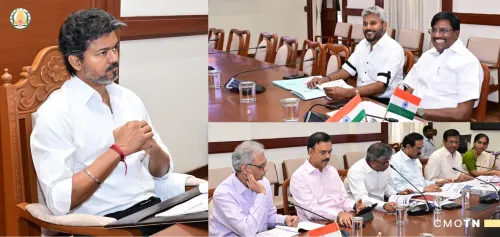
Joseph Vijay chaired a high-level review meeting at the Secretariat, Chennai on 7 July to address higher education vacancies.
Nearly 15 of 22 Tamil Nadu state universities are currently functioning without permanent Vice Chancellors .
The VC vacancy crisis stems from a prolonged dispute between the previous DMK government and then-Governor R.N.
Ravi over UGC-compliant search committee composition.
More than 5,000 teaching posts and 124 principal positions remain vacant across 188 government arts and science colleges .
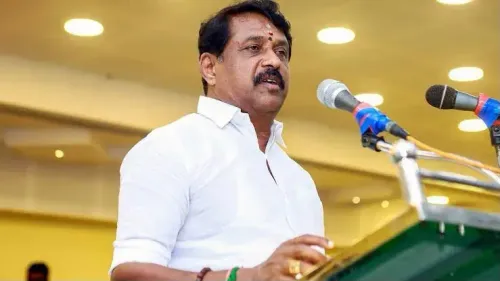
Higher Education Minister P.
Vishwanathan participated in the review; officials said both VC and faculty appointments will be treated as a priority.
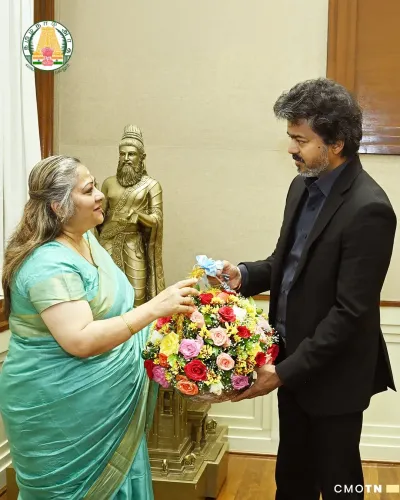
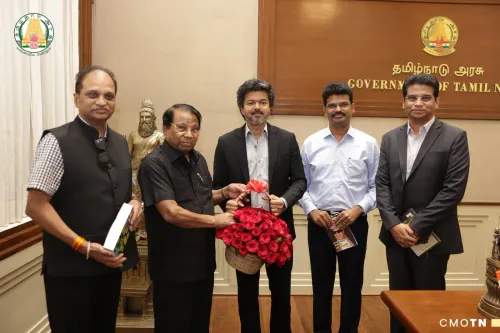
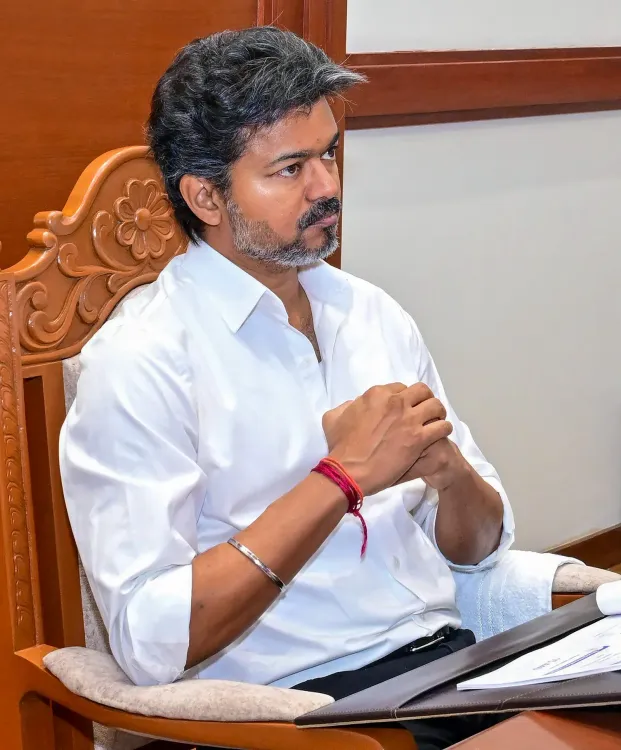
Tamil Nadu Chief Minister C. Joseph Vijay on 7 July directed officials to fast-track the appointment of Vice Chancellors to 15 state universities and expedite the filling of long-pending vacancies in teaching positions, signalling a decisive push to address structural challenges in the state's higher education sector. The directive came during a high-level review meeting chaired by the Chief Minister at the Secretariat in Chennai.
Key Directives from the Review Meeting
Higher Education Minister P. Vishwanathan and senior officials attended the meeting, which focused on improving the functioning of state-run universities and strengthening academic administration. Chief Minister Vijay reviewed the overall functioning and financial health of the universities, emphasising the need to fill vacant leadership positions without further delay. He also discussed measures to improve academic standards, strengthen governance, and ensure stable administrative leadership across institutions.
The Vice Chancellor Vacancy Crisis
The shortage of full-time Vice Chancellors has remained a persistent concern in Tamil Nadu's higher education system for several years. At present, nearly 15 of the state's 22 universities are functioning without permanent Vice Chancellors, directly affecting administrative decision-making, academic planning, and policy implementation.
The crisis has its roots in a prolonged dispute over the appointment process during the previous administration. The then Governor, R.N. Ravi, who served as Chancellor of state universities, repeatedly rejected the search committees constituted by the previous Dravida Munnetra Kazhagam (DMK) government, arguing that their composition did not conform to University Grants Commission (UGC) guidelines. The disagreement escalated into a political confrontation between the state government and Raj Bhavan. In an attempt to curtail the Governor's role, the previous government introduced legislation seeking to designate the Chief Minister as Chancellor — a move that remained entangled in broader constitutional and legal disputes over gubernatorial powers.
Teaching Staff Shortage: Over 5,000 Posts Vacant
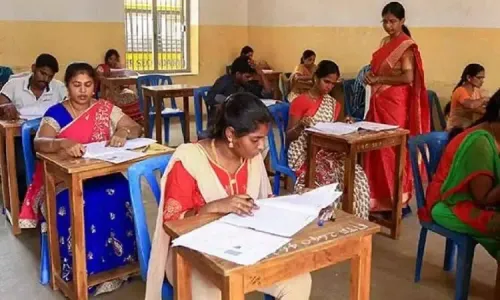
Beyond leadership vacancies, Chief Minister Vijay also reviewed the acute shortage of teaching staff across higher education institutions. Academic bodies and teachers' associations have repeatedly urged the government to fill more than 5,000 vacant teaching posts and 124 principal positions across 188 government arts and science colleges, warning that prolonged vacancies have degraded classroom instruction, academic quality, and student learning outcomes.
Government's Stated Priority
Officials indicated that the government intends to address both the Vice Chancellor appointments and faculty recruitment on a priority basis, with the twin goals of improving educational quality and restoring administrative stability across Tamil Nadu's public university system. No specific timeline for completing the appointments was announced, but the review meeting signals a clear shift in urgency under the new Chief Minister.
Point of View
No names, no process framework. Tamil Nadu's VC vacancy crisis is not new; it festered through years of governor-government conflict and judicial back-and-forth. A review meeting signals intent, but the real test is whether the appointment process can now clear UGC compliance hurdles that stalled it before, especially with the Chancellor question still unresolved legally. The 5,000-plus teaching vacancies are the more urgent human cost: students in 188 government colleges have been absorbing the impact of understaffed classrooms for years. A push that does not produce filled posts within a defined window risks becoming another headline without a follow-through.
NationPress
6 Oct 2026
Frequently Asked Questions
Why are so many Tamil Nadu universities without Vice Chancellors?
Nearly 15 of Tamil Nadu's 22 state universities lack permanent Vice Chancellors due to a prolonged dispute between the previous DMK government and then-Governor R.N. Ravi, who repeatedly rejected search committees on the grounds that they did not conform to UGC guidelines. The standoff paralysed the appointment process for several years.
What did CM C. Joseph Vijay direct at the review meeting?
Chief Minister C. Joseph Vijay directed officials to fast-track Vice Chancellor appointments to 15 state universities and expedite the filling of more than 5,000 vacant teaching posts and 124 principal positions across 188 government arts and science colleges. The meeting was held at the Secretariat in Chennai on 7 July.
How many teaching posts are vacant in Tamil Nadu's government colleges?
More than 5,000 teaching posts and 124 principal positions are vacant across 188 government arts and science colleges in Tamil Nadu, according to academic bodies and teachers' associations who have repeatedly flagged the impact on classroom instruction and student learning.
What was the dispute between Tamil Nadu government and the Governor over university appointments?
The then-Governor R.N. Ravi, acting as Chancellor of state universities, rejected search committees formed by the DMK government, citing non-compliance with UGC norms. The state government responded by attempting to legislate the Chief Minister as Chancellor, but the move remained caught in constitutional and legal disputes.
What is the likely next step after CM Vijay's directive?
Officials have indicated that Vice Chancellor appointments and faculty recruitment will be treated as government priorities. However, no specific timeline has been publicly announced. The process will need to satisfy UGC composition guidelines — the same compliance issue that caused earlier appointments to stall.