Tamil Nadu private dairies to hike milk, curd prices by ₹4 a litre from July 9
Synopsis
Tamil Nadu consumers face a ₹4-per-litre milk and curd price hike from July 9 — the second private dairy revision this year — as failed summer rains, farmer migration from Aavin to private players, and West Asia-linked fuel costs converge into a supply-and-cost crisis with no quick fix in sight.
Key Takeaways
Private dairies in Tamil Nadu will raise milk and curd prices by ₹4 per litre from 9 July 2025 .
This is the second hike in 2025; the first was a ₹2 per litre increase in February .
Failed summer rains have hit milk output across Tamil Nadu , Andhra Pradesh , Telangana , Karnataka , Kerala , and Puducherry .
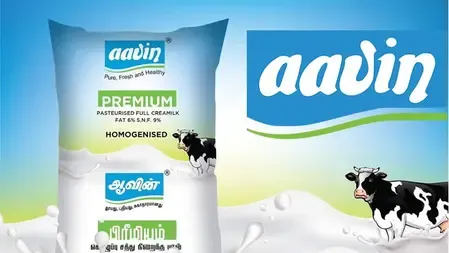
State cooperative Aavin's daily procurement reportedly fell to around 25 lakh litres and has not yet recovered.
Arokya Milk has formally notified distributors of the revised prices effective 9 July .
The Tamil Nadu Milk Agents and Workers Welfare Association has called on the government to provide free milch cows to farmers to boost long-term supply.
Private dairy companies across Tamil Nadu are set to raise retail prices of milk and curd by ₹4 per litre from 9 July 2025, adding fresh pressure on household budgets already strained by food inflation. The revision marks the second price increase by private dairies in 2025, following a ₹2 per litre hike in February.
Why Prices Are Rising
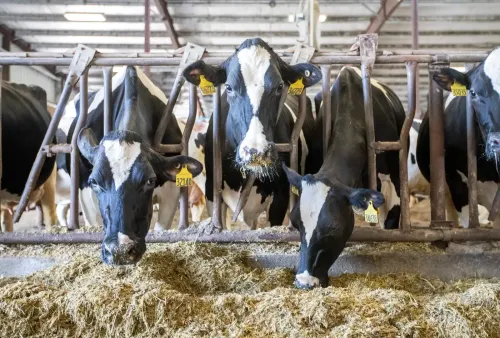
The increase is being driven by a sharp rise in raw milk procurement costs, itself a consequence of a deepening supply shortage across southern India. According to the Tamil Nadu Milk Agents and Workers Welfare Association, the failure of summer rains has significantly curtailed milk production in Tamil Nadu, while output has also declined in Andhra Pradesh, Telangana, Karnataka, Kerala, and the Union Territory of Puducherry.
The association stated that the supply crunch has intensified competition among private dairy firms to secure milk directly from farmers, compelling them to offer higher procurement prices and additional incentives to attract supply.
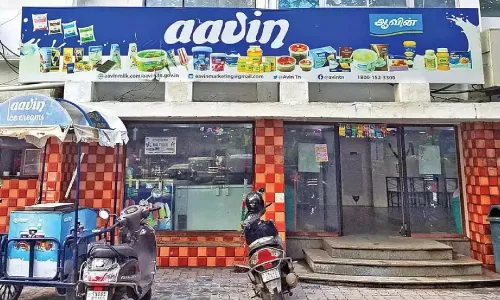
Aavin Under Pressure, Farmers Shift Allegiance
The association alleged that a growing number of dairy farmers who previously supplied milk to the State-run cooperative Aavin have migrated to private companies, lured by better procurement rates. It claimed that Aavin's daily milk procurement had fallen to around 25 lakh litres under the previous administration and had not yet recovered to earlier levels, further tightening overall market supply.
This is not the first time Aavin has faced competition-driven attrition from private players, but the current scale of farmer migration, according to the association, is unprecedented.
Input Costs and Global Factors
Beyond raw milk, the association cited rising transportation costs, higher prices for packaging materials, and increased costs of other inputs used in dairy processing as key contributors to the latest revision. It also linked elevated logistics expenses to higher international crude oil prices stemming from the ongoing conflict in West Asia.
The association said the cumulative rise in input costs made the ₹4 per litre increase unavoidable, despite the burden it places on consumers.
Industry Response and What Comes Next
Arokya Milk, one of Tamil Nadu's leading private dairy brands, has formally notified its distributors and agents that the revised pricing will take effect from Thursday, 9 July. Industry observers expect other private dairy companies operating in the State to follow suit in the coming days.
The Tamil Nadu Milk Agents and Workers Welfare Association has urged the State government to introduce a scheme providing free milch cows to farmers, arguing that boosting cattle ownership at the farm level would increase milk production, stabilise supplies, and improve rural incomes over the long term. The government is yet to respond formally to the demand.
Point of View
Not a seasonal blip. The migration of farmers from Aavin to private dairies is a slow-moving crisis for the State cooperative — one that weakens its procurement base precisely when it needs scale to stabilise prices. The government's silence on farmer incentives and milch cow schemes means the supply side remains unaddressed, leaving consumers to absorb each successive cost shock. Until Tamil Nadu acts on the production deficit rather than just the procurement competition, further hikes are a matter of when, not if.
NationPress
7 Oct 2026
Frequently Asked Questions
Why are private dairies in Tamil Nadu raising milk prices from July 9?
Private dairies are raising milk and curd prices by ₹4 per litre from 9 July 2025 due to a combination of rising raw milk procurement costs, a shortage of raw milk caused by failed summer rains across southern States, and higher input costs including transportation, packaging, and logistics linked to elevated global crude oil prices.
Is this the first milk price hike in Tamil Nadu in 2025?
No. Private dairies had already raised retail prices by ₹2 per litre in February 2025, citing higher procurement costs. The July 9 revision is the second increase this year, bringing the cumulative 2025 hike to ₹6 per litre.
Which dairy companies are raising prices?
Arokya Milk, one of Tamil Nadu's leading private dairy brands, has formally notified its distributors of the revised prices effective 9 July. Industry observers expect other private dairy companies in the State to follow with similar revisions shortly.
How has Aavin been affected by the milk shortage?
According to the Tamil Nadu Milk Agents and Workers Welfare Association, Aavin's daily milk procurement fell to around 25 lakh litres under the previous administration and has not yet recovered. The association alleged that farmers have shifted to private companies offering better procurement prices, weakening Aavin's supply base.
What has the industry association demanded from the Tamil Nadu government?
The Tamil Nadu Milk Agents and Workers Welfare Association has urged the State government to launch a scheme providing free milch cows to farmers, arguing it would boost milk production, stabilise supplies, and improve rural incomes over the long term. The government has not yet announced a formal response.