Is Tasmac Resuming the Buy-Back Scheme for Empty Liquor Bottles in Chennai This Week?
Synopsis
Tasmac's buy-back scheme for empty liquor bottles is set to make a comeback in Chennai after being suspended due to protests. With new strategies in place, will this initiative successfully address environmental issues and worker concerns? Stay tuned as we explore the impact of this decision on the community and the workers involved.
Key Takeaways
Tasmac to resume buy-back scheme in Chennai.
Phased implementation strategy to enhance efficiency.
Environmental protection is a key goal of the initiative.
Worker concerns about workload remain significant.
Challenges from previous attempts to be addressed in new rollout.
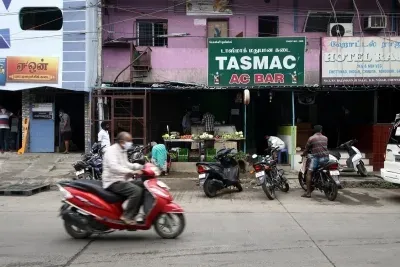
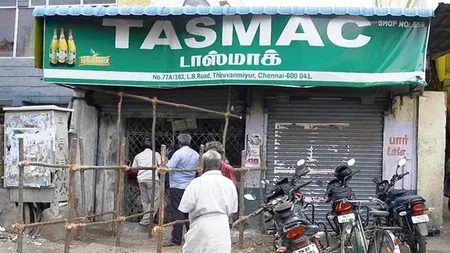
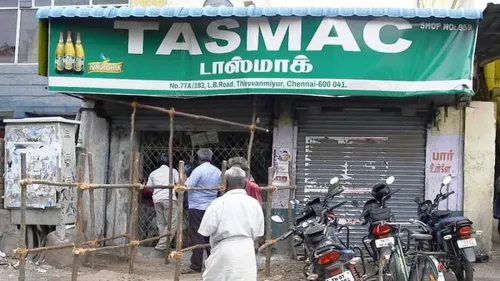
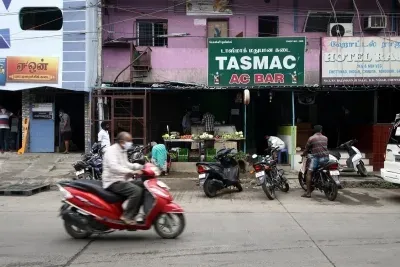
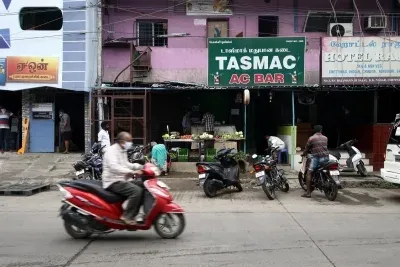
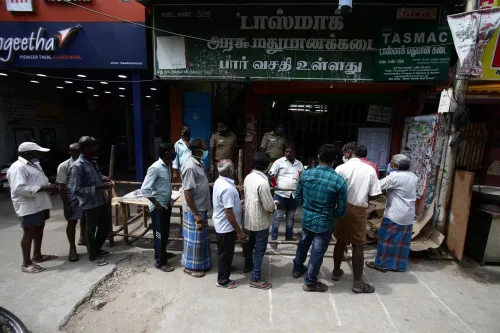
Chennai, Feb 2 (NationPress) Following a temporary suspension due to protests from shop employees, the Tamil Nadu State Marketing Corporation's (Tasmac) buy-back initiative for empty liquor bottles is poised to resume in Chennai later this week.
Officials have indicated that this decision comes after a reevaluation of previous operational issues, aiming for a more effective rollout this time.
The program was halted in the city when Tasmac employees closed liquor stores and protested at depots, voicing concerns over insufficient facilities and an increased workload.
The Madras High Court has instructed Tasmac to provide a status update on the situation by the end of February. While court proceedings are ongoing, Tasmac representatives have expressed their intention to finalize the implementation before the second week of February.
A senior official from Tasmac noted that lessons have been learned from the earlier attempt to launch the scheme in Chennai. “Previously, we tried to roll it out simultaneously across North, Central, and South Chennai, which created confusion and operational challenges. This time, we will adopt a phased strategy covering all three districts within a week,” the official explained.
As part of the buy-back initiative, customers will incur an additional charge of Rs 10 for each liquor bottle purchased. This fee is refundable upon returning the empty bottle to designated Tasmac outlets or collection points. The scheme has already been successfully implemented in other parts of Tamil Nadu.
The initiative was initially launched in hill stations where abandoned liquor bottles posed significant risks to wildlife, especially elephants and other animals that could be harmed by stepping on shattered glass.
Encouraged by its environmental advantages, the state government later extended the program to all districts. However, resistance from workers remains strong.
Workers argue that the current workforce is already stretched thin and lacks the necessary infrastructure to manage the collection, storage, and transportation of empty bottles. They have called for a separate agency to be tasked exclusively with the buy-back initiative.
Dhanasekaran, the general secretary of the AICTE-affiliated Tasmac workers’ union, stated that their position has not changed. “Our demands remain unchanged. It is not feasible to implement this scheme without a dedicated agency and adequate facilities; the burden will only increase,” he said.
Despite the objections, Tasmac officials assert that the phased rollout will help mitigate initial challenges. Whether the reintroduction of this scheme can effectively balance environmental goals with the concerns of workers will be observed as it returns to Chennai this week.
Point of View
The revival of Tasmac's buy-back scheme in Chennai is an important development, reflecting the government's commitment to environmental sustainability. However, balancing this initiative with the concerns of workers highlights the ongoing challenges in implementation. It underscores the need for dialogue and collaboration between authorities and employees to ensure the scheme's success.
NationPress
20 Sept 2026
Frequently Asked Questions
What is the buy-back scheme?
The buy-back scheme allows customers to return empty liquor bottles to Tasmac outlets for a refund of an additional charge of Rs 10 collected at the time of purchase.
Why was the scheme put on hold?
The scheme was suspended due to protests from Tasmac workers who raised concerns about inadequate facilities and increased workloads.
How will the new implementation differ from the previous one?
The latest rollout will adopt a phased approach, covering different districts sequentially to avoid confusion and operational issues experienced earlier.
What are the environmental benefits of this initiative?
This scheme aims to reduce littering and protect wildlife, particularly in regions where discarded bottles pose a threat to animals.
Are workers in favor of the scheme?
Workers have expressed strong opposition, citing concerns about being overburdened without additional support or infrastructure to manage the buy-back process.