Vadakara MDMA case: Third teacher arrested as Kerala drug network probe widens
Synopsis
Three woman teachers in Kerala — including one who conducted anti-drug awareness campaigns in schools — have been arrested for allegedly running a QR code-and-Google Maps-enabled MDMA distribution network. The case, which emerged from 'Operation Toofan', now has a 10-member police team tracing suspected suppliers, financiers, and delivery agents.
Key Takeaways
Nishma , a Perambra BRC trainer, was arrested on 28 July as the third woman teacher in the Vadakara MDMA case .
Earlier arrests include K.C.
Keerthana of Maruthonkara and Kavya of Koorachundu.
The network allegedly used QR code payments and Google Maps drop locations to distribute MDMA without direct buyer contact.
All three accused reportedly participated in anti-drug awareness campaigns in schools and public institutions.
Police confirmed the accused were also consuming MDMA themselves, not just distributing it.
A 10-member police team is tracing suppliers, financiers, and other suspected network members; the case originated from Operation Toofan .
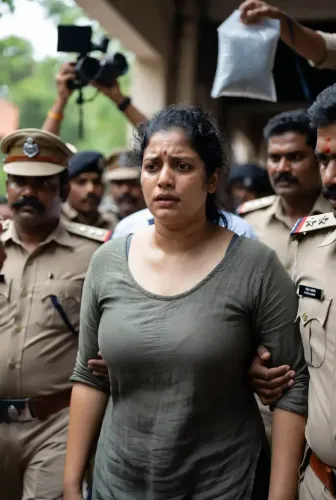
Kerala Police arrested a third woman teacher on Tuesday, 28 July in the expanding Vadakara MDMA racket, with the detention of Nishma, a trainer at the Perambra Block Resource Centre (BRC) in Kozhikode, deepening suspicions of a well-organised narcotics distribution network that allegedly used QR code payments, social media, and Google Maps drop locations to evade direct contact with buyers.
The Three Accused and Their Alleged Roles
Nishma's arrest follows the earlier detention of K.C. Keerthana of Maruthonkara and Kavya of Koorachundu by the Vadakara Police. Investigators said the three were frequently seen together, indicating close operational coordination. An examination of Nishma's bank accounts reportedly revealed multiple money transfers, strengthening suspicions that she managed a significant portion of the network's financial transactions.
Notably, police confirmed that all three accused were not only distributing MDMA but were also consuming the drug themselves — a detail that adds a further dimension to the investigation.
How the Network Allegedly Operated
According to investigators, the accused used social media platforms to coordinate with customers. Buyers reportedly transferred payments via QR codes to the accused, who then shared a Google Maps location identifying a concealment spot where the MDMA could be collected — a method designed to eliminate direct contact between seller and buyer. Police are now scrutinising digital payment records to trace additional members of the network and identify those who received funds through these transactions.
The Anti-Drug Awareness Paradox
The case has triggered serious concern within Kerala's education community. All three arrested teachers had reportedly participated in anti-drug awareness campaigns conducted in schools and public institutions — making their alleged involvement in a drug racket a stark contradiction that investigators and officials are grappling with. The revelation has prompted questions about screening and accountability within the state's education and outreach infrastructure.
Operation Toofan and the Broader Probe
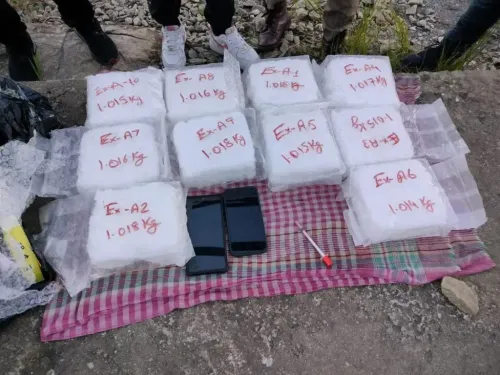
The case surfaced during 'Operation Toofan', a dedicated anti-narcotics drive led by the Deputy Superintendent of Police, following the initial arrest of two alleged drug peddlers found in possession of MDMA. A forensic analysis of financial transaction records reportedly led investigators to the three teachers. A 10-member police team has since been constituted to trace remaining members of the suspected network, with investigators examining whether additional teachers or other individuals were involved in the trade.
Police are expected to seek extended custody of all three accused to identify suppliers, financiers, delivery agents, and other potential co-conspirators. The probe is ongoing, and further arrests are considered likely as digital payment trails continue to be analysed.
Point of View
Prosecuting three teachers will not dismantle the network.
NationPress
27 Oct 2026
Frequently Asked Questions
Who is Nishma and why was she arrested in the Vadakara MDMA case?
Nishma is a trainer at the Perambra Block Resource Centre (BRC) in Kozhikode, Kerala. She was arrested on 28 July as the third woman teacher in the Vadakara MDMA racket, after investigators found multiple suspicious money transfers in her bank accounts linking her to the alleged drug distribution network.
How did the accused teachers allegedly distribute MDMA?
According to investigators, the accused coordinated with customers via social media. Buyers paid through QR codes, after which they were sent a Google Maps location indicating where the MDMA had been concealed for contactless collection — a method designed to avoid direct interaction between sellers and buyers.
What is Operation Toofan and how did it expose this network?
Operation Toofan is a special anti-drug drive led by the Deputy Superintendent of Police in Kerala. The case came to light after two alleged drug peddlers were arrested with MDMA; forensic analysis of their financial transaction records subsequently led investigators to the three teachers.
Why has the case raised concerns about Kerala's education sector?
All three arrested teachers had reportedly participated in anti-drug awareness campaigns conducted in schools and public institutions, making their alleged involvement in a drug racket a stark contradiction. The case has prompted scrutiny of accountability and screening mechanisms within the state's education and outreach system.
What happens next in the investigation?
A 10-member police team has been constituted to trace remaining members of the suspected network. Police are expected to seek extended custody of all three accused to identify suppliers, financiers, and delivery agents. Investigators are also examining digital payment records for additional leads.