Tamil Nadu heatwave: 13 districts cross 38°C, Tiruchirappalli hits 40.5°C

Synopsis
Tamil Nadu's heatwave is deepening fast — 13 districts crossed 38°C on April 28, with Tiruchirappalli hitting 40.5°C. The IMD has forecast a further 3-degree surge by Saturday, and coastal humidity is set to push 'feels-like' temperatures even higher. For millions of residents, the worst may still be ahead.
Key Takeaways
At least 13 districts in Tamil Nadu recorded temperatures above 38°C on 28 April , according to the RMC .
Tiruchirappalli logged the state's highest temperature at 40.5°C ; Vellore and Erode followed at 39.4°C .
The IMD has forecast a further rise of up to 3 degrees across Tamil Nadu and Puducherry by Saturday.
Chennai temperatures are expected to exceed 39°C in coming days, compounded by coastal humidity.
Health officials have advised the elderly , children , and those with pre-existing conditions to take extra precautions against heatstroke and dehydration.
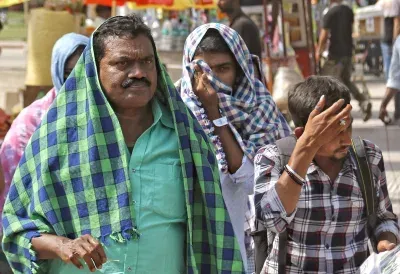
Tamil Nadu is in the grip of an intensifying heatwave, with the Regional Meteorological Centre (RMC) recording temperatures above 38 degrees Celsius in at least 13 locations across the state on 28 April. The India Meteorological Department (IMD) has warned that maximum temperatures could climb by a further 3 degrees across Tamil Nadu and neighbouring Puducherry by Saturday, signalling a worsening heat emergency in the region.
District-by-District Heat Readings
Tiruchirappalli recorded the state's highest temperature on 28 April, with the mercury soaring to 40.5 degrees Celsius, placing it among the hottest locations in the country that day. Vellore and Erode followed closely, each registering 39.4 degrees.
Karur Paramathi, Chennai's Meenambakkam observatory, and Madurai Airport each recorded temperatures of approximately 38.9 degrees. Tirupattur and Dharmapuri logged 38.3 degrees, while Salem, Thanjavur, Madurai city, Tiruttani, and Namakkal hovered around 37.8 degrees — reflecting widespread heat stress across both interior and coastal parts of the state.
Why Temperatures Are Surging
Meteorological officials attribute the spike to prevailing dry weather conditions and heightened solar radiation typical of late April — the peak of Tamil Nadu's summer cycle. This comes amid a broader pattern of above-normal pre-monsoon temperatures across peninsular India, which climate scientists have increasingly linked to longer and more intense heat seasons.
Notably, coastal districts face a compounding threat: high humidity levels are expected to push the "feels-like" temperature significantly above the recorded mercury readings, elevating the risk of heat-related illnesses including dehydration and heatstroke.
Chennai on High Alert
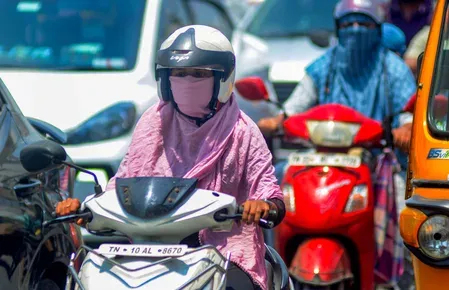
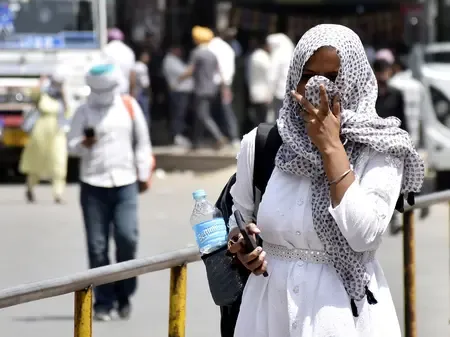
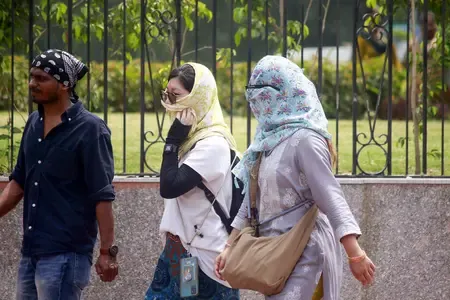
Chennai is expected to bear the brunt of the coming surge, with temperatures likely to exceed 39 degrees Celsius in the days ahead. The city's coastal geography, while moderating dry heat, amplifies humidity-driven discomfort — a combination that health officials describe as particularly dangerous for outdoor workers and commuters.
Authorities have advised residents to stay hydrated, avoid direct sun exposure during peak hours — typically between 11 am and 3 pm IST — and limit outdoor activities wherever possible.
Health Advisory and Vulnerable Groups
Health officials have specifically urged the elderly, children, and individuals with pre-existing medical conditions to exercise heightened caution as heatwave conditions persist. Heat exhaustion and heatstroke can develop rapidly under combined heat-humidity stress, and early symptoms — dizziness, excessive sweating, and fatigue — should not be ignored.
The IMD is continuing to monitor the situation and is expected to issue further advisories if conditions intensify through the weekend. With the forecast pointing to a 3-degree rise still ahead, Tamil Nadu's heatwave crisis appears far from its peak.
Point of View
With a further 3-degree surge forecast, puts the state in genuinely dangerous territory. What is missing from official advisories is any serious reckoning with the urban heat island effect in Chennai and the near-total absence of heatwave shelters for outdoor labourers and the homeless. Staying hydrated is sound advice; it is not a policy response.
NationPress
15 Sept 2026
Frequently Asked Questions
How severe is the Tamil Nadu heatwave in April 2025?
Tamil Nadu is experiencing an intense heatwave, with at least 13 districts recording temperatures above 38°C on 28 April. Tiruchirappalli hit the state's peak at 40.5°C, and the IMD has forecast a further rise of up to 3 degrees by Saturday.
Which districts recorded the highest temperatures in Tamil Nadu?
Tiruchirappalli recorded the highest temperature at 40.5°C. Vellore and Erode followed at 39.4°C, while Karur Paramathi, Chennai's Meenambakkam, and Madurai Airport each recorded around 38.9°C.
What has the IMD forecast for Tamil Nadu and Puducherry?
The India Meteorological Department has forecast a further increase in maximum temperatures by up to 3 degrees across Tamil Nadu and Puducherry by Saturday. The RMC continues to monitor conditions and may issue additional advisories.
What precautions should residents take during the heatwave?
Authorities advise staying hydrated, avoiding direct sun exposure between 11 am and 3 pm IST, and limiting outdoor activities. The elderly, children, and those with pre-existing medical conditions are considered especially vulnerable and should take extra care.
Why is Chennai particularly at risk during this heatwave?
Chennai faces a dual threat — rising temperatures expected to exceed 39°C combined with high coastal humidity, which pushes 'feels-like' temperatures significantly higher. This combination accelerates the risk of heat exhaustion and heatstroke, especially for outdoor workers and commuters.