What Impact Did Dr. Pushpangadan Have on Tribal Science?
Synopsis
The passing of Dr. Palpu Pushpangadan marks a profound loss for science and social justice. His pioneering work ensured tribal communities benefited from scientific advancements, particularly through the development of Jeevani. Discover how his legacy reshaped the relationship between indigenous knowledge and modern science.
Key Takeaways
Pushpangadan pioneered equitable benefit-sharing in scientific research.
He developed Jeevani , a formulation from Arogyapacha .
His work emphasized the importance of indigenous knowledge .
He set ethical standards in Indian science .
His legacy intertwines scientific excellence with social justice .
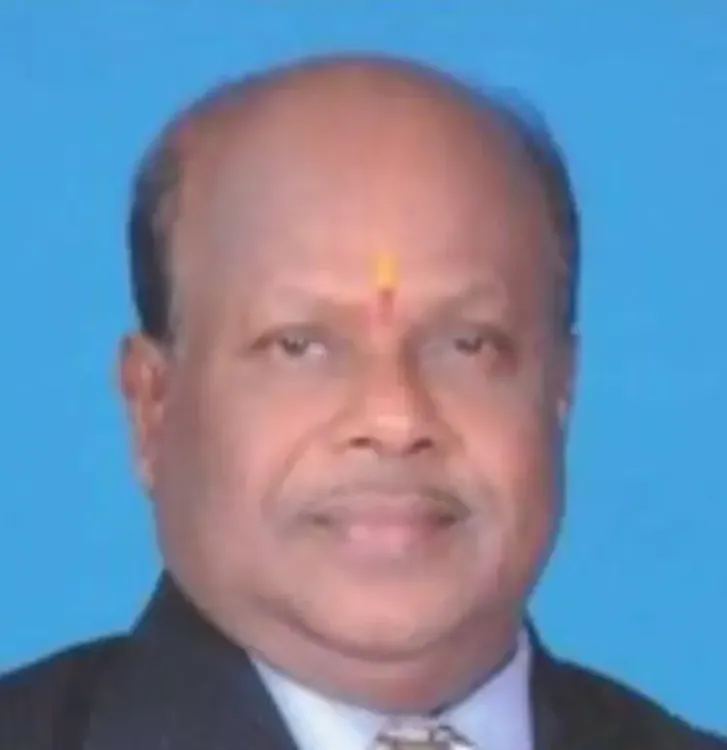
Thiruvananthapuram, Dec 19 (NationPress) Dr. Palpu Pushpangadan, a recipient of the Padma Shri award and a renowned botanist, passed away on Friday due to age-related health issues. He was 81 years old. Dr. Pushpangadan was celebrated for his groundbreaking work in developing 'Jeevani', a formulation aimed at boosting immunity, which is derived from the medicinal plant Arogyapacha. His commitment to ensuring that the Kani tribal community from the Western Ghats received a fair share of the profits from this product marked a significant change in the landscape of scientific research.
In an era when indigenous knowledge was often exploited without compensation, Dr. Pushpangadan championed the principle of equitable benefit-sharing, which became internationally recognized as the 'Pushpangadan Model'.
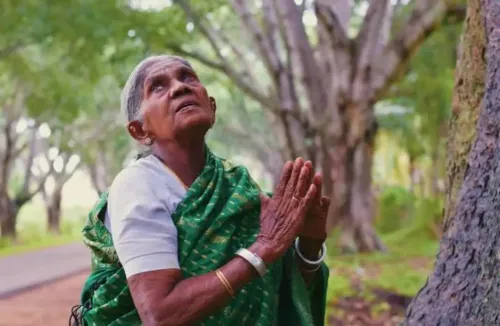
His collaboration with the Kani people extended beyond academic validation; he trekked through the rich forests of the Western Ghats with tribal members to scientifically confirm the medicinal efficacy of Arogyapacha (Trichopus zeylanicus), a plant traditionally used to alleviate fatigue.
Upon the commercialization of Jeevani, he ensured that half of the generated revenues were allocated for the welfare of the tribe, setting a remarkable ethical standard in Indian science.
Born in Prakkulam, Kollam district, Dr. Pushpangadan's academic journey included esteemed institutions like Aligarh Muslim University and CSIR laboratories. He held leadership roles as the Director of the National Botanical Research Institute in Lucknow and later the Tropical Botanic Garden and Research Institute (TBGRI) in Thiruvananthapuram.
Throughout his illustrious career, he published 317 research papers and received patents for over 15 products in the realms of ethno-botany and ethno-pharmacology. He was a fervent advocate for the combination of bioprospecting and conservation, establishing plant conservation banks during his time at TBGRI.
Dr. Pushpangadan was honored with the Padma Shri and numerous international accolades, including recognition from the United Nations Equator Initiative. His legacy intertwines scientific excellence with a commitment to social justice, making his passing a significant loss to the scientific community and the vision of ethical innovation.
Point of View
We recognize and honor the significant impact that Dr. Palpu Pushpangadan had on both science and social equity. His innovative approach to integrating traditional knowledge with scientific research sets a precedent for future endeavors, making his contributions invaluable in the pursuit of ethical scientific progress.
NationPress
20 Sept 2026
Frequently Asked Questions
What was Dr. Palpu Pushpangadan known for?
Dr. Pushpangadan was known for developing Jeevani, an immunity-enhancing formulation derived from Arogyapacha, and for advocating for fair profit-sharing with tribal communities.
What is the Pushpangadan Model?
The Pushpangadan Model refers to the principle of equitable benefit-sharing from scientific research that acknowledges and compensates indigenous knowledge holders.
How did Dr. Pushpangadan contribute to ethno-botany?
He published numerous research papers and secured patents for various products in the field of ethno-botany, emphasizing the importance of traditional knowledge.
What awards did Dr. Pushpangadan receive?
He was honored with the Padma Shri and received several international awards, including recognition from the United Nations Equator Initiative.
How did Dr. Pushpangadan support the Kani tribal community?
He ensured that the Kani community received a share of the profits from Jeevani and established welfare programs for their benefit.