Changes Loom for Foreign Students as Trump Administration Reviews OPT Program

Synopsis
The U.S. Department of Homeland Security is reevaluating the Optional Practical Training program, affecting thousands of international students. This review may lead to significant regulatory changes that could reshape the post-study work landscape for F-1 visa holders.
Key Takeaways
DHS is reviewing the OPT program, which may lead to regulatory changes.
Over 300,000 Indian students are currently on OPT in the U.S.
The program allows F-1 visa holders to work for up to 12 months after graduation.
STEM graduates can receive an additional 24-month extension.
The review reflects a broader scrutiny of immigration policies under the Trump administration.
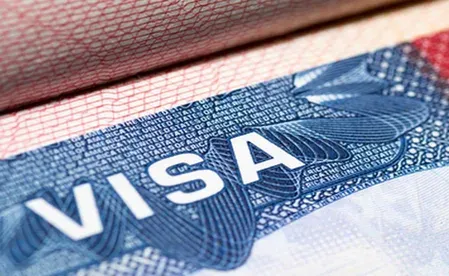
Washington, Feb 27 (NationPress) In a significant development that could impact numerous international graduates, the U.S. Department of Homeland Security (DHS) has announced it is reassessing the Optional Practical Training (OPT) program. This indicates potential regulatory modifications to the post-study work pathway for F-1 visa holders.
Homeland Security Secretary Kristi Noem, in correspondence to Senator Eric Schmitt, stated that DHS is examining whether the existing framework—including the extent and duration of practical training—“adequately serves the interests of the U.S. labor market, tax, and national security and aligns with congressional intent.”
With more than 300,000 Indian students in the United States, many are currently utilizing OPT following the completion of their academic programs.
Noem emphasized that “DHS is dedicated to ensuring immigration programs operate in favor of American workers while safeguarding U.S. national security interests.” She recognized “the notable rise in foreign student visa holders participating in practical training programs and the associated risks and challenges.”
As per the letter, the U.S. Immigration and Customs Enforcement’s Student and Exchange Visitor Program “acknowledges these challenges and is implementing measures to alleviate vulnerabilities and address your concerns.”
OPT permits F-1 visa holders to work in the U.S. for up to 12 months upon completing their degree. Graduates in science, technology, engineering, and mathematics (STEM) disciplines are eligible for an additional 24-month extension.
Discussing the legal foundation of the program, Noem observed that the Optional Practical Training initiative and associated training options “were established through regulation rather than direct legislative text.”
She mentioned that, “In line with President Trump’s direction and the administration’s America First immigration policy, DHS is reassessing if the current regulatory structure—encompassing the scope and duration of practical training—suitably serves U.S. labor market, tax, and national security interests while aligning with congressional intent.”
Further to the review, DHS indicated the likelihood of regulatory changes. “DHS intends to re-evaluate practical training regulatory requirements for foreign student visa holders via rulemaking,” Noem noted, adding that the proposal is included in the Spring 2025 Unified Agenda.
“The proposed rule aims to amend existing practical training regulations to safeguard U.S. workers from being displaced by foreign nationals, tackle fraud and national security issues, and enhance the Student and Exchange Visitor Program’s ability to oversee the initiative,” she articulated.
Schmitt, in his previous correspondence to DHS and U.S. Citizenship and Immigration Services, characterized OPT as a “work benefit” established by regulation rather than statute and urged the department to perform a “comprehensive review” to initiate the process of either reforming or terminating it.
This debate unfolds amidst heightened scrutiny of employment-based immigration pathways under the Trump administration’s America First policy framework. The administration has expressed a readiness to revisit programs that were created or expanded through executive action.
For India and other nations contributing substantial numbers of students to U.S. universities, this review holds considerable ramifications. Indian nationals represent one of the largest groups receiving F-1 visas, and many depend on OPT and STEM extensions as a bridge to long-term employment visas such as the H-1B.
Point of View
It's essential to recognize the implications of the DHS's review on the OPT program. While the reassessment aims to align immigration frameworks with labor market needs and national security, it also poses challenges for international students who rely on these opportunities for career advancement in the U.S. An unbiased exploration of both sides is crucial for comprehensive coverage.
NationPress
19 Sept 2026
Frequently Asked Questions
What is the Optional Practical Training (OPT) program?
The OPT program allows F-1 visa holders to work in the United States for up to 12 months post-graduation, with an additional 24-month extension for STEM graduates.
Who is affected by the DHS's review of the OPT program?
The review could impact thousands of foreign students, particularly those from countries like India, who rely on OPT for work opportunities in the U.S.
What are the potential outcomes of this review?
The review may lead to changes in regulations governing OPT, affecting its duration, scope, and eligibility criteria.
Is the OPT program legally established?
Yes, the OPT program was created through regulation rather than direct statutory text, which allows it to be subject to reevaluation.
How does OPT relate to long-term employment visas?
OPT serves as a bridge for many international students to longer-term employment visas like the H-1B, facilitating their transition into the U.S. workforce.