Trump Calls for Unity After White House Dinner Shooting Scare
Synopsis
After a shooting scare disrupted the White House Correspondents' dinner, President Trump delivered a rare unity appeal — urging Republicans, Democrats, and independents to resolve differences peacefully. He plans to reschedule the dinner within 30 days, calling it a moment that, despite the chaos, brought a divided nation briefly together.
Key Takeaways
President Donald Trump called for national unity on April 26 following a shooting scare at the White House Correspondents' Association dinner in Washington .
Trump urged Republicans, Democrats, and independents to "resolve our differences peacefully," describing the crisis as a rare moment of bipartisan solidarity.
Guests inside the ballroom were forced to take cover and were subsequently evacuated as the shooting situation unfolded outside the venue.
Trump announced the WHCA dinner will be rescheduled within 30 days , vowing it will be held "bigger and better." The President acknowledged the emotional impact on First Lady Melania Trump , calling it "a rather traumatic experience," while emphasising national resilience.
The incident raises renewed concerns about security at high-profile political events amid historically elevated US political tensions and a documented rise in political violence.
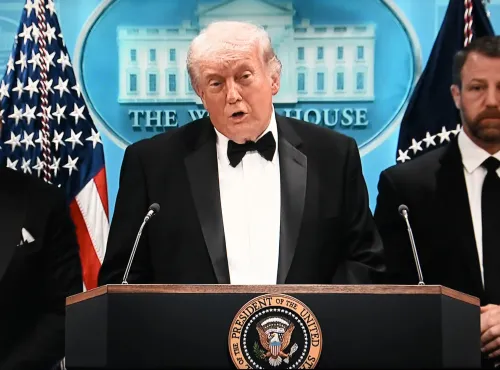
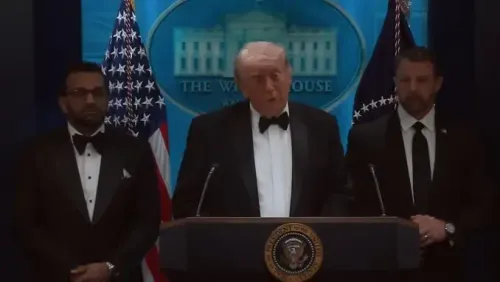
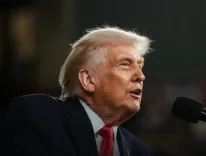
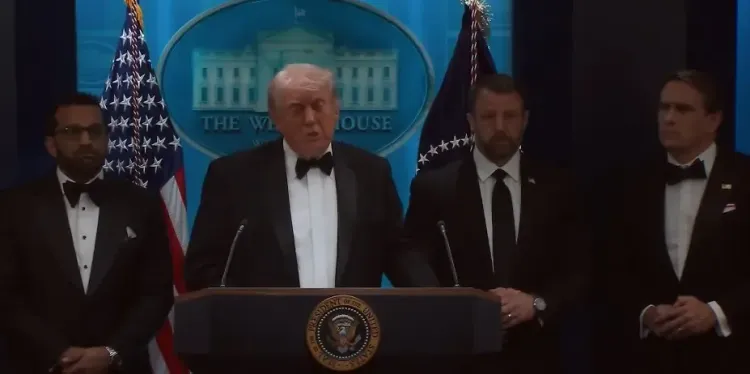
Washington, April 26 — President Donald Trump delivered a pointed call for national unity on Saturday following a shooting scare outside the White House Correspondents' Association (WHCA) dinner, urging Republicans, Democrats, and independents alike to "resolve our differences" through peaceful means. Speaking alongside senior law enforcement officials at the White House, Trump described the incident as a stark reminder of rising political violence threatening American democracy.
Trump's Unity Message After the Shooting Incident
Trump addressed reporters shortly after the chaotic scenes at the dinner venue, where guests were forced to take cover before being evacuated. He said the crisis, paradoxically, produced a rare moment of bipartisan solidarity in a deeply fractured political climate.
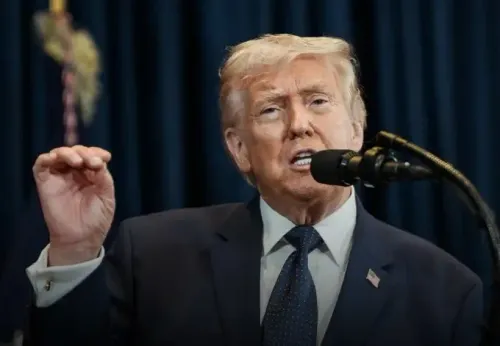
"We need to resolve our differences, Republicans, Democrats and independents," the President said, adding that the gathering — attended by political leaders and members of the press — showcased an unexpected moment of cohesion. "I saw a room that was just totally unified… it was, in one way, very beautiful," he said.
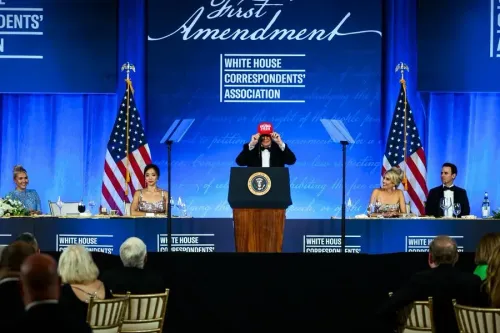
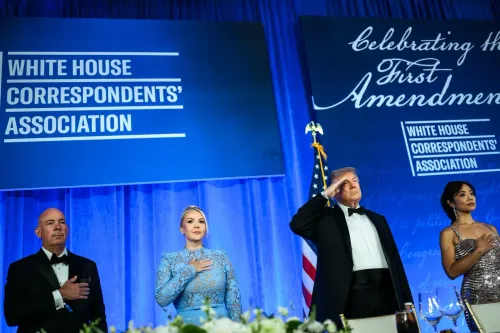
The dinner, traditionally held as a celebration of press freedom and bipartisan engagement, took on a far more sobering character in the aftermath of the shooting. "This was an event dedicated to freedom of speech that was supposed to bring together members of both parties with members of the press, and in a certain way, it did," Trump noted.
Warning Against Political Violence and Social Disruption
Trump framed the shooting as part of a broader, troubling pattern of political violence — both within the United States and internationally — while insisting that such threats must not be allowed to derail democratic processes or public life.
"We're not going to let anybody take over our society. We're not going to cancel things out," he said firmly, stressing the importance of maintaining public institutions and events despite security risks. "We have to resolve our differences peacefully," he added.
This comes amid a sustained period of heightened political tensions in the US, with multiple high-profile incidents of political violence recorded in recent years, including the 2024 assassination attempt against Trump himself during a campaign rally in Butler, Pennsylvania. Critics argue that inflammatory rhetoric from across the political spectrum has contributed to a climate where such incidents are becoming alarmingly frequent.
Inside the Ballroom: Chaos, Cover, and Camaraderie
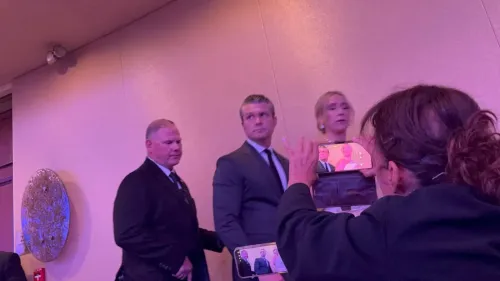
According to accounts from those present, guests inside the ballroom scrambled for cover as news of the shooting outside spread rapidly through the venue. The evacuation that followed was described as orderly but tense, with attendees — many of them senior political figures and prominent journalists — visibly shaken.
Trump acknowledged the emotional toll of the evening, particularly on First Lady Melania Trump, describing the experience as "a rather traumatic experience." Despite this, he emphasised resilience, saying the nation must not allow moments of crisis to define or diminish it.
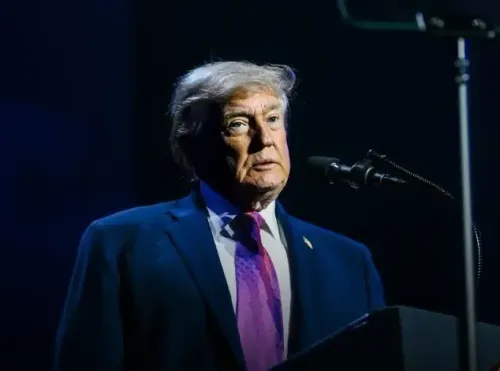
"There was a tremendous amount of love and coming together," he said, reflecting on the mood inside the venue. "You saw the very best unite us at a time of uncertainty."
Dinner to Be Rescheduled Within 30 Days
President Trump announced that the White House Correspondents' dinner would be rescheduled within 30 days, signalling a clear determination not to allow violence to suppress free expression or public gatherings. "We'll do it again… bigger and better," he said.
The announcement carries symbolic weight. The WHCA dinner has historically served as one of Washington's most visible demonstrations of the relationship — however strained — between the press and the presidency. Rescheduling it swiftly is as much a political statement as a logistical one.
Notably, Trump had previously boycotted the dinner during his first term, making his attendance this cycle a significant shift in posture toward the press. The shooting incident, therefore, arrives at a particularly charged moment in the evolving dynamic between his administration and the media.
Broader Implications for Security and Political Culture
The incident raises urgent questions about security protocols at high-profile political events in the current climate. With political polarisation at historic highs and a string of violence-adjacent incidents punctuating the national conversation, law enforcement agencies face mounting pressure to reassess threat assessments around Washington gatherings.
Security experts note that events combining senior political figures, media personalities, and open public access create complex threat environments. The Secret Service and Capitol Police are expected to conduct a thorough review of the evening's security arrangements.
As the investigation into the shooting continues, all eyes will be on whether Trump's call for unity translates into any concrete bipartisan action — or whether it remains a fleeting moment of solidarity quickly overtaken by the relentless churn of Washington's political warfare. The rescheduled dinner, expected within 30 days, will itself become a test of whether that unity holds.
Point of View
Much of which has been fuelled by years of divisive language from both parties. The irony is striking: an event dedicated to press freedom and bipartisan dialogue nearly became a crime scene. While Trump's call to 'resolve differences peacefully' is the right message, the credibility of that appeal depends entirely on whether it is followed by substantive de-escalation in political rhetoric — not just in moments of crisis, but consistently. Washington has a troubling habit of finding unity in tragedy and abandoning it in governance.
NationPress
18 Sept 2026
Frequently Asked Questions
What happened at the White House Correspondents' dinner shooting?
A shooting scare occurred near the White House Correspondents' Association dinner venue, forcing guests to take cover and evacuate the ballroom. President Trump subsequently addressed the nation from the White House, calling for unity and peaceful resolution of political differences.
What did Trump say after the White House Correspondents' dinner shooting?
Trump called for national unity, urging Republicans, Democrats, and independents to 'resolve our differences peacefully.' He described the incident as part of a broader trend of political violence and announced the dinner would be rescheduled within 30 days.
Will the White House Correspondents' dinner be rescheduled?
Yes. President Trump confirmed the dinner will be rescheduled within 30 days, saying it will be held 'bigger and better.' The announcement signals his determination not to allow violence to suppress public gatherings or press freedom events.
Why is the White House Correspondents' dinner significant?
The WHCA dinner is an annual Washington tradition celebrating press freedom and bipartisan engagement, bringing together political leaders, journalists, and public figures. It holds particular symbolic importance as a marker of the relationship between the presidency and the free press.
Is political violence increasing in the United States?
According to multiple security analysts and public data, politically motivated violence and threats have risen sharply in the US over recent years. The 2024 assassination attempt on Trump himself during a Pennsylvania rally is among the most high-profile recent examples of this disturbing trend.