UAE exits OPEC after Iran war fallout, shaking global oil markets
Synopsis
The UAE's OPEC exit — triggered by the Iran war's damage to its energy infrastructure — is more than a supply story. It signals a Gulf power choosing economic sovereignty over cartel discipline, and for India, one of its top-five oil suppliers is now free to ramp up exports without quota constraints.
Key Takeaways
The UAE announced its exit from OPEC on 28 April , effective Friday , citing the fallout from the Iran war .
The UAE was India's fourth- or fifth-largest oil supplier in 2024, with bilateral oil trade worth $13.5 billion according to UN statistics.
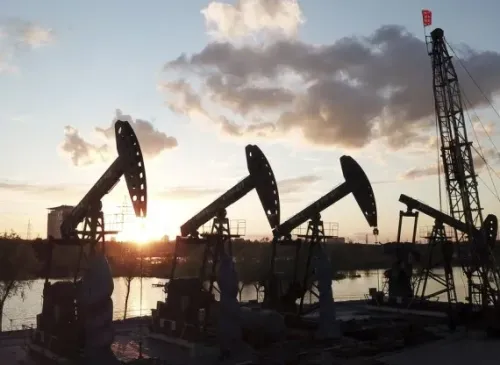
The UAE ranks fifth among OPEC's 12 members in petroleum production and eighth globally , according to the US Energy Information Agency .
Post-exit, the UAE says it will bring additional production to market gradually and in a measured manner , aligned with demand conditions.
The UAE's Operation 300bn initiative aims to boost manufacturing, expand export markets, and attract foreign investment as part of its economic diversification push.
OPEC , founded in 1967 , has seen its pricing power eroded by the rise of the United States , Russia , and Canada as top global exporters.
The United Arab Emirates (UAE), one of India's top crude oil suppliers, announced on Tuesday, 28 April that it is withdrawing from the Organisation of Petroleum Exporting Countries (OPEC), citing the fallout from the Iran war and a strategic pivot toward economic diversification. The exit takes effect on Friday, making the UAE the first major Gulf producer to leave the cartel in decades.
The Official Announcement
The withdrawal was confirmed through the UAE's official Emirates News Agency (WAM), which stated that the decision
Point of View
Not just a tactical one. For years, Abu Dhabi chafed under production quotas that capped its revenue ambitions — the Iran war simply provided the political cover to act. With its energy infrastructure reportedly damaged and reconstruction costs mounting, the UAE needs unrestricted export capacity, not cartel discipline. For India, which imported $13.5 billion worth of UAE crude in 2024, the immediate read is potentially more supply at competitive prices — but the medium-term risk is a more volatile OPEC that loses another anchor member at a time when Saudi Arabia's leadership is already under strain from non-OPEC supply growth out of the US and Canada.
NationPress
19 Sept 2026
Frequently Asked Questions
Why is the UAE leaving OPEC?
The UAE is leaving OPEC primarily due to the fallout from the Iran war, which damaged its energy production infrastructure and export capacity. The official WAM statement also cited the UAE's long-term strategic and economic vision and its push to diversify the economy away from oil dependence.
When does the UAE's OPEC withdrawal take effect?
The UAE's withdrawal from OPEC takes effect on Friday, following the announcement made on Tuesday, 28 April, through the official Emirates News Agency, WAM.
How does the UAE's OPEC exit affect India?
The UAE was India's fourth- or fifth-largest oil supplier in 2024, with trade worth $13.5 billion according to UN statistics. Outside OPEC's export quota system, the UAE can potentially increase oil exports to India gradually, which could benefit Indian refiners seeking competitively priced, lower-carbon crude.
What is OPEC and how powerful is it today?
OPEC, founded in 1967, is a cartel of oil-producing nations that sets export quotas to influence global oil prices. Its pricing power has eroded significantly as the United States, Russia, and Canada — none of them OPEC members — now hold three of the top four spots among global oil exporters, above Saudi Arabia.
What is the UAE's Operation 300bn initiative?
Operation 300bn is a UAE economic diversification programme aimed at boosting manufacturing, expanding export markets, and attracting foreign investment. It reflects the UAE's broader strategy to reduce dependence on oil revenues, as cited in OPEC's own Monthly Oil Market Report for April.