UK Defence Secretary John Healey resigns over military spending row
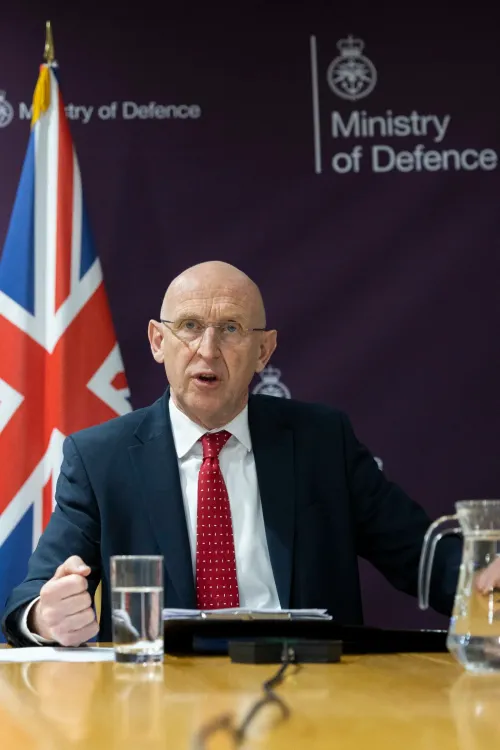
Synopsis
John Healey's resignation as UK Defence Secretary is more than a cabinet shuffle — it exposes a deep fault line between Britain's NATO spending pledges and the Treasury's willingness to fund them. With the Defence Investment Plan stalled for over a year and Starmer already under pressure from within Labour, this departure could force a reckoning on how seriously Britain takes its own security commitments.
Key Takeaways
John Healey resigned as UK Defence Secretary on 11 June , citing the government's failure to fund the armed forces adequately.
His resignation letter stated the proposed Defence Investment Plan (DIP) fell 'well short' of the country's needs.
Funding assessments for the armed forces were completed in January but no commitments followed, according to Healey.
The DIP has been delayed since last year due to negotiations between the Defence Ministry and the Treasury .
Britain has pledged to raise defence spending to 2.6% of GDP by 2027 and 3.5% by 2035 .
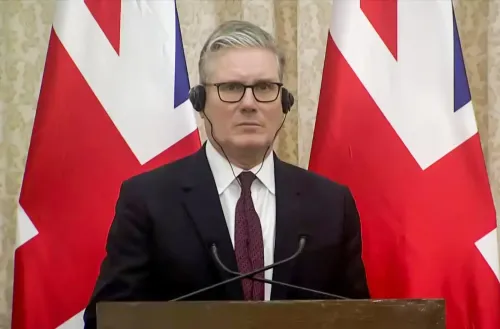
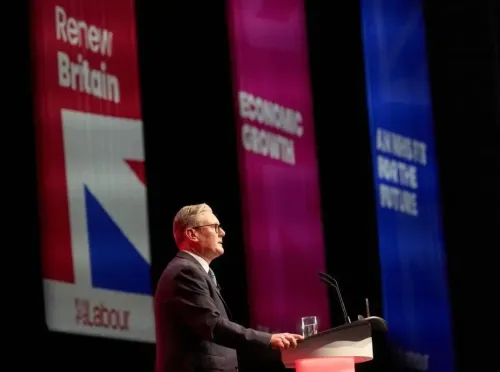
The resignation adds to pressure on PM Keir Starmer , who faces internal Labour calls to step down after losses in May elections.
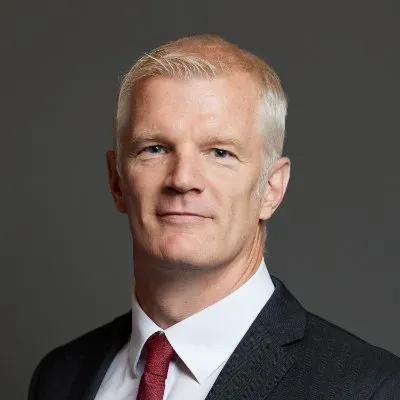
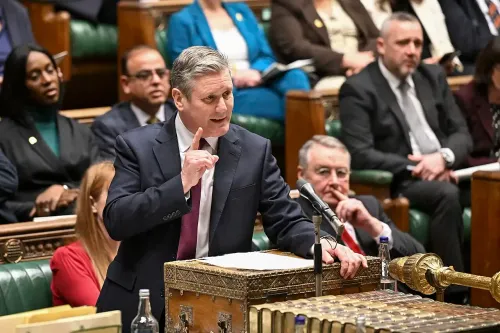
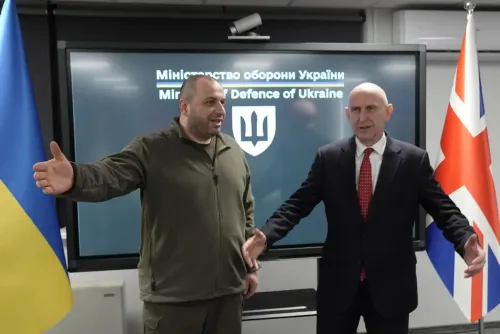
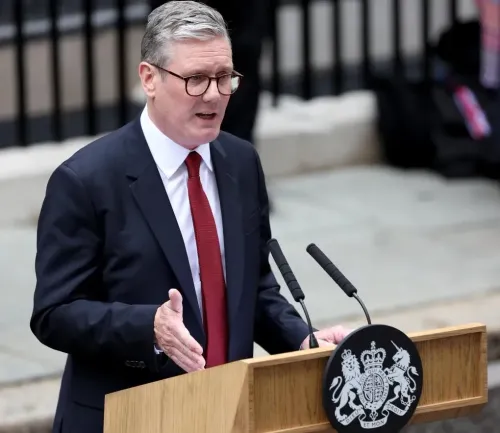
British Defence Secretary John Healey resigned on Thursday, 11 June over a dispute with Prime Minister Keir Starmer's government on defence funding, saying the administration had failed to commit adequate resources at a time of escalating security threats. Healey, who has held the post since the Labour government assumed office in July 2024, made his decision public through a formal resignation letter addressed to Starmer.
What Healey Said
In his letter, Healey stated that the proposed Defence Investment Plan (DIP) fell 'well short' of what the country requires. 'You have been unable, and the Treasury has been unwilling, to commit the resources that the nation needs to defend the country,' he wrote.
Healey added that assessments of the additional investment needed by the armed forces, along with their associated costs, had been completed as far back as January, yet the government had not followed through with the necessary funding commitments. 'After explaining to you that I would not be able to accept a DIP settlement that does not give our Forces the resources they need, I am now left with no other option than to submit my resignation as your Defence Secretary,' his letter read.
What the Defence Investment Plan Is
The long-delayed Defence Investment Plan is designed to translate Britain's strategic defence review into a 10-year funding programme for military equipment and services. Its publication has been stalled since last year, held up by protracted negotiations between the Defence Ministry and the Treasury over how to finance the expansion and modernisation of the armed forces.
Notably, the standoff between the two departments over resource allocation had been building for months, making Healey's exit, while dramatic, not entirely unexpected to observers tracking the internal tensions.
UK's NATO Spending Commitments
Britain has pledged to raise NATO-qualifying defence spending to 2.6% of gross domestic product by 2027, and core defence spending to 3.5% by 2035, as part of a broader commitment to spend 5% of GDP on defence and security. However, questions have persisted over the pace of the increase and the availability of resources in the near term — precisely the gap Healey argued the DIP failed to bridge.
Political Fallout for Starmer
The resignation delivers a fresh blow to Prime Minister Starmer, who has already been facing pressure from within his own party. Some Labour lawmakers have called on him to step down following the party's heavy losses in local and devolved elections in May. Healey's departure removes a senior cabinet figure and intensifies scrutiny of Starmer's handling of both defence policy and Treasury relations.
With Britain navigating an increasingly volatile security environment and NATO allies pressing members to meet spending benchmarks, the question of who succeeds Healey — and whether the new appointee can unlock the DIP funding — will be closely watched in Westminster and beyond.
Point of View
3.5% by 2035 — were always ambitious given the Treasury's fiscal constraints, and the year-long DIP stalemate suggests the numbers were never fully reconciled. The deeper problem is structural: defence ambition and fiscal consolidation are pulling in opposite directions, and no cabinet reshuffle resolves that tension. Whoever replaces Healey inherits the same arithmetic.
NationPress
26 Oct 2026
Frequently Asked Questions
Why did John Healey resign as UK Defence Secretary?
Healey resigned on 11 June because he said the government's proposed Defence Investment Plan fell 'well short' of what Britain's armed forces require. He stated that the Treasury was unwilling to commit the necessary resources despite funding assessments having been completed in January.
What is the UK Defence Investment Plan?
The Defence Investment Plan is a long-term funding programme intended to translate Britain's strategic defence review into a 10-year plan for military equipment and services. Its publication has been delayed since last year due to unresolved negotiations between the Defence Ministry and the Treasury.
How does Healey's resignation affect PM Keir Starmer?
It deals a significant blow to Starmer, who was already facing calls from some Labour lawmakers to step down following the party's heavy losses in local and devolved elections in May. Losing a senior cabinet minister over a policy dispute deepens perceptions of internal government dysfunction.
What are Britain's current NATO defence spending commitments?
Britain has pledged to raise NATO-qualifying defence spending to 2.6% of GDP by 2027 and core defence spending to 3.5% by 2035, as part of a broader target to spend 5% of GDP on defence and security combined.
How long had Healey served as Defence Secretary?
John Healey had served as Defence Secretary since the Labour government took office in July 2024, making his tenure approximately 11 months before his resignation on 11 June.