UK Households Grapple with Financial Strain as Energy Costs Soar Amid Middle East Crisis
Synopsis
As energy prices surge due to escalating Middle Eastern tensions, British households are facing a significant income squeeze. New analysis reveals a concerning decline in living standards as inflation rises and real incomes are eroded.
Key Takeaways
British households are facing a projected income reduction of £480 this financial year.
Inflation is expected to rise due to soaring energy costs.
Household income forecasts have shifted from +0.9% to -0.6% .
Geopolitical tensions in the Middle East are significantly impacting global oil markets.
The UK government is called to expedite a 'social tariff' for lower-income households.
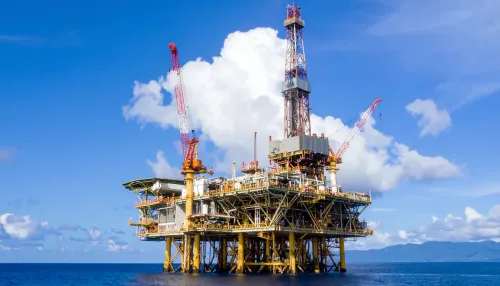
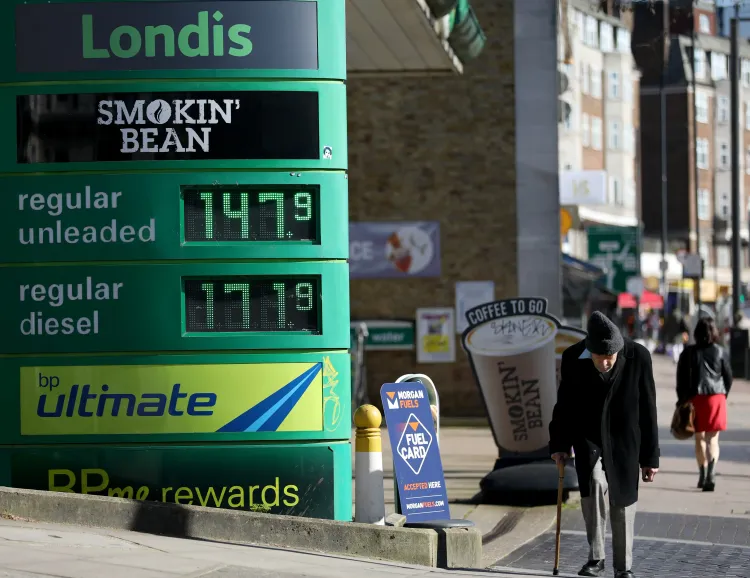
London, April 13 (NationPress) The escalating tensions in the Middle East have led to a sharp rise in energy prices, placing significant pressure on British households. Recent analyses indicate a decline in living standards as global oil markets continue to experience instability.
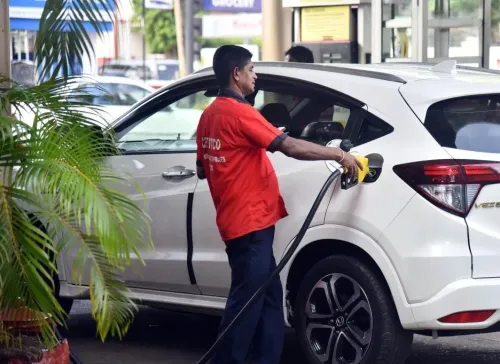
According to a report published on Monday by the Resolution Foundation, median working-age families in the UK are expected to be approximately £480 (around $650) poorer this financial year than earlier forecasts suggested, as soaring energy costs contribute to inflation and diminish real incomes.
The think tank noted that the typical household income, which was initially projected to increase by 0.9%, is now anticipated to fall by 0.6%. This highlights the widespread effects of rising energy expenses, as reported by Xinhua news agency.
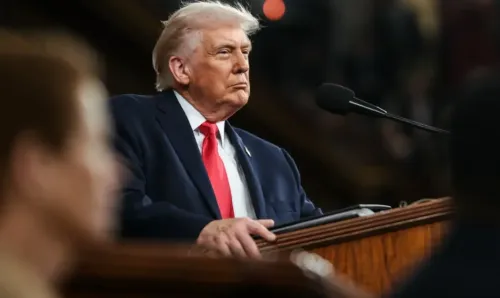
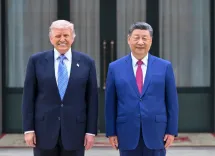
Global energy markets have been unsettled by renewed geopolitical conflicts. On Monday, Brent crude futures surged by 7% to approximately $101 per barrel following US President Donald Trump's announcement of a blockade in the Strait of Hormuz after unsuccessful negotiations with Iran.
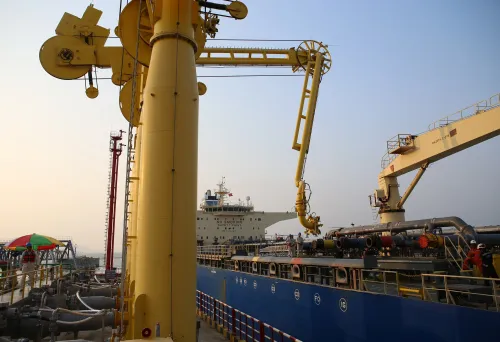
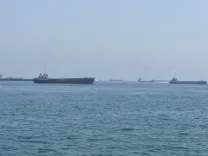
This strategic waterway, essential for global oil transport, has effectively been closed since the onset of the conflict, resulting in sharp increases in oil and gas prices and raising fears about inflation and global economic growth.
“Despite aspirations for lasting peace, the trajectory of this conflict remains unpredictable, and energy prices are still significantly higher than pre-war levels, indicating that many households will experience a reduction in their purchasing power this year,” stated James Smith, the chief economist at the foundation.
The Resolution Foundation has called on the government to expedite plans for a “social tariff” to support lower-income households, especially as energy demands are expected to peak during winter.
On Monday, UK Prime Minister Keir Starmer described the closure of the Strait of Hormuz as “deeply damaging” and emphasized the necessity of restoring global shipping to alleviate cost-of-living pressures.
“The continued closure of the Strait of Hormuz is extremely harmful. Reestablishing global shipping routes is crucial to mitigate cost of living challenges. The UK has brought together over 40 nations who share our goal of restoring freedom of navigation. This week, the UK and France will co-host a summit to advance efforts for a coordinated, independent multinational strategy to protect international shipping once the conflict concludes,” Starmer shared on X.
Point of View
It is imperative to recognize the direct impact of geopolitical conflicts on domestic economies. The rising energy prices, driven by instability in the Middle East, pose serious challenges to the financial health of British households. Immediate government actions are essential to mitigate these effects and support vulnerable populations.
NationPress
18 Sept 2026
Frequently Asked Questions
How much are British households expected to lose due to rising energy prices?
British households are projected to be about £480 (approximately $650) worse off this financial year due to increased energy costs.
What is the expected change in household income in the UK?
The typical household income, initially expected to grow by 0.9%, is now forecasted to decline by 0.6%.
Why are energy prices surging?
Energy prices are surging due to renewed geopolitical tensions in the Middle East, particularly related to the Strait of Hormuz.
What measures are being proposed to help lower-income households?
The Resolution Foundation has urged the government to accelerate plans for a 'social tariff' to assist lower-income groups amid rising energy demands.
What is the significance of the Strait of Hormuz in the current situation?
The Strait of Hormuz is a vital chokepoint for global oil shipments; its closure has led to significant increases in oil and gas prices.