UN: Afghanistan-Pakistan clashes displace 10,000, shut 19 health facilities
Synopsis
OCHA's latest assessment paints a grim picture: seven dead, 79 wounded, 10,000 displaced, 19 health facilities non-functional, and 13,000 students cut off from schooling — all since February 2025 — as Afghanistan-Pakistan border clashes intensify with no diplomatic resolution in sight.
Key Takeaways
Seven people killed and 79 injured in airstrikes and shelling in Asadabad and Kunar province on 27 April 2025 .
Over 10,000 people displaced in eastern and southeastern Afghanistan since February 2025 , across Kunar , Nangarhar , and Khost provinces.
At least 19 health facilities shut or operating at reduced capacity, affecting around 78,000 people .
More than 13,000 students affected as dozens of schools in Kunar and Nangarhar were damaged.
Afghanistan's Foreign Ministry summoned Pakistan's Chargé d'Affaires and issued a formal protest letter over attacks on civilian infrastructure.
OCHA warned that continued insecurity and limited humanitarian access are deepening the crisis and delaying recovery.
Renewed border clashes between Afghanistan and Pakistan have sharply deteriorated humanitarian conditions in eastern Afghanistan, according to the United Nations Office for the Coordination of Humanitarian Affairs (OCHA), as reported by local media on Thursday, 30 April 2025. The crisis has displaced over 10,000 people and shuttered at least 19 health facilities across the conflict-affected region.
Airstrikes and Civilian Casualties
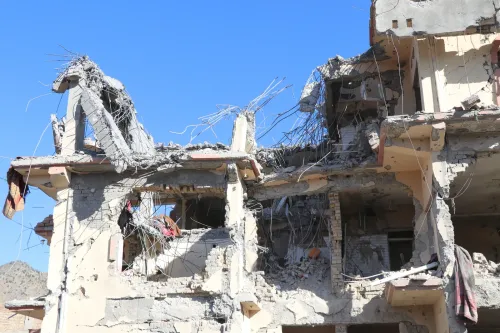
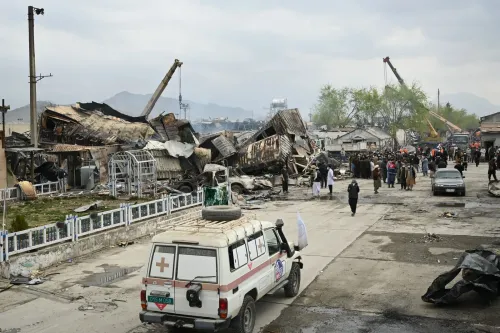
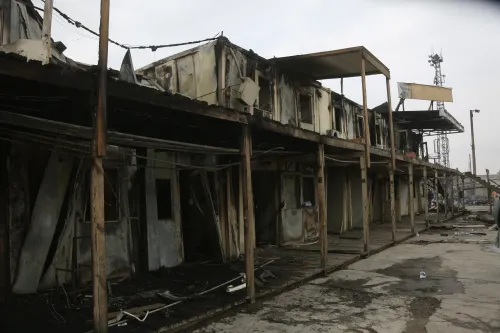
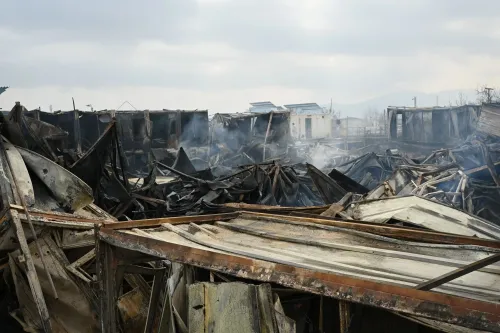
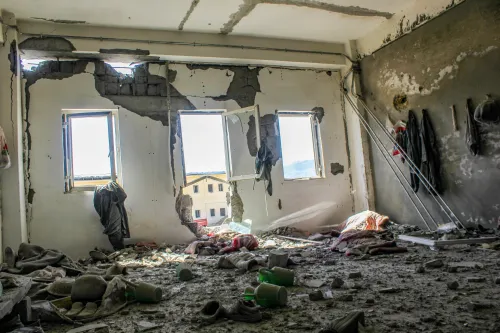
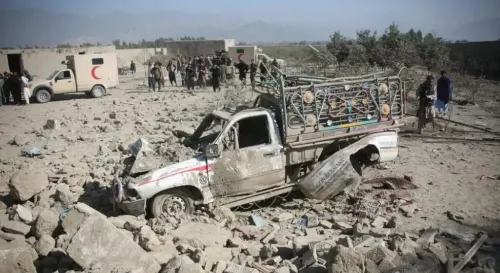
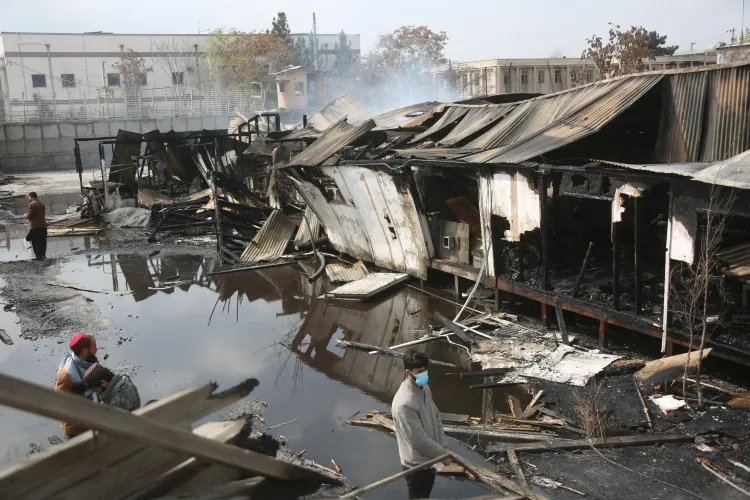
At least seven people were killed and 79 others were injured in airstrikes and shelling targeting Asadabad city and parts of Kunar province on 27 April. The violence caused significant damage to civilian infrastructure, including a fuel station, sections of a university dormitory, a religious affairs office, and a drug rehabilitation centre, according to OCHA. The agency warned that such destruction is further straining already fragile public services, as reported by Afghanistan's leading news agency, Khaama Press.
Mass Displacement Across Eastern Provinces
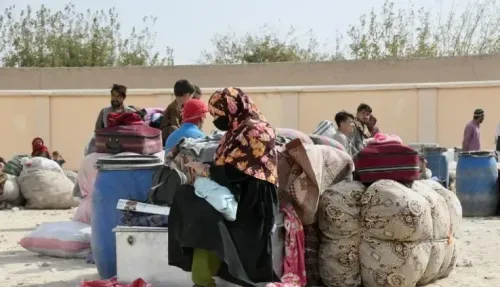
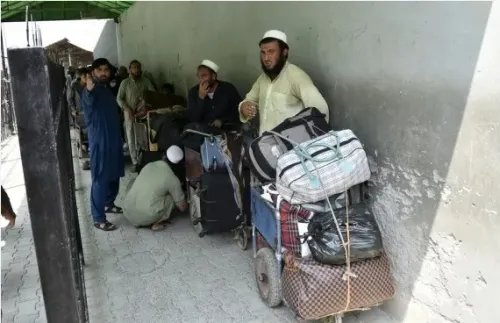
According to OCHA, over 10,000 people have been displaced in eastern and southeastern Afghanistan due to ongoing clashes since February 2025. Large-scale displacement has been recorded across Kunar, Nangarhar, and Khost provinces, with residents forced to flee with limited access to shelter, food, and medical care. The agency noted that increasing damage to civilian facilities — particularly health centres and schools — has been reported in recent weeks.
Health, Education, and Water Systems Under Strain
At least 19 health facilities have been shut, suspended, or are functioning at reduced capacity, affecting approximately 78,000 people, according to OCHA. Water supply systems in several villages have also been disrupted, raising the risk of disease outbreaks. More than 13,000 students in Kunar and Nangarhar have been impacted as dozens of schools sustained damage, Khaama Press reported. Aid agencies have stressed the urgent need for immediate relief as well as reconstruction of damaged schools, clinics, and water systems to restore basic services.
Diplomatic Fallout Between Kabul and Islamabad
On Tuesday, Afghanistan's Ministry of Foreign Affairs summoned the Chargé d'Affaires of the Pakistani Embassy in Kabul over attacks carried out by Pakistani forces on civilian targets in multiple Afghan provinces. Kabul handed a formal protest letter to the Pakistani diplomat over Islamabad's targeting of public facilities along the Durand Line, including the university at the centre of Kunar province. The Ministry strongly condemned what it called a violation of Afghanistan's airspace and attacks against civilians, describing the actions as
Point of View
000 displaced, 78,000 cut off from healthcare, and 13,000 children out of school, all within weeks. The Afghanistan-Pakistan border has long been a theatre of mutual accusation, but the targeting of a university dormitory and a drug rehabilitation centre signals a dangerous erosion of civilian protection norms. Diplomatic summoning of envoys and protest letters have historically done little to halt escalation along the Durand Line, and with mediation efforts described as futile, the humanitarian corridor — already thin — risks closing entirely.
NationPress
19 Sept 2026
Frequently Asked Questions
What has caused the humanitarian crisis in eastern Afghanistan?
Renewed border clashes between Afghan and Pakistani forces since February 2025 have triggered mass displacement, infrastructure damage, and the shutdown of health and education facilities across eastern Afghanistan. According to OCHA, over 10,000 people have been displaced and 19 health facilities are no longer fully operational.
How many people have been killed or injured in the recent clashes?
At least seven people were killed and 79 others were injured in airstrikes and shelling in Asadabad city and Kunar province on 27 April 2025, according to OCHA.
Which Afghan provinces are most affected by the conflict?
Kunar, Nangarhar, and Khost provinces have witnessed the largest displacement. Kunar and Nangarhar have also seen the most severe damage to schools, affecting more than 13,000 students.
What has Afghanistan's government done in response to the Pakistani strikes?
Afghanistan's Ministry of Foreign Affairs summoned Pakistan's Chargé d'Affaires in Kabul and handed over a formal protest letter condemning the attacks as a violation of Afghanistan's territorial integrity. The Islamic Emirate also warned that continued actions will have 'undesirable consequences'.
What is OCHA calling for to address the crisis?
OCHA and aid agencies are calling for immediate humanitarian relief and the reconstruction of damaged schools, clinics, and water systems. The agency has also flagged that limited humanitarian access is delaying recovery for affected communities.