Israeli strikes disrupt Gaza water, services: UN OCHA warns of collapse
Synopsis
The UN's OCHA has issued a stark warning: Israeli airstrikes have killed NGO workers at a Gaza City water well, and with 60% of families already unable to access clean water, humanitarian agencies say the entire water supply system is at serious risk of collapse — sustained only by costly, unsustainable trucking operations.
Key Takeaways
An Israeli airstrike reportedly struck NGO workers at a water well in Gaza City , killing one and injuring four .
Operations at the Al Mansoura water filling point are also suspended after two UNICEF-contracted truck drivers were killed.
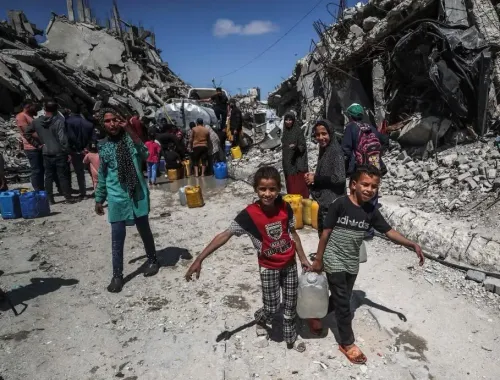
Approximately 60% of families in Gaza cannot access sufficient clean water, according to OCHA .
Humanitarians warn current water supply arrangements are costly and unsustainable , with services at serious risk of collapse.
On 29 April , the UN facilitated evacuation of two dozen patients and crossed nearly 100 humanitarian staff in or out of Gaza.
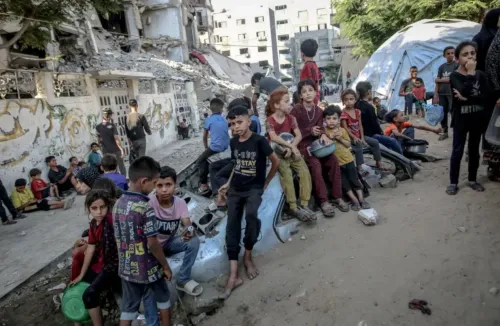
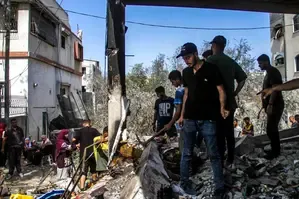
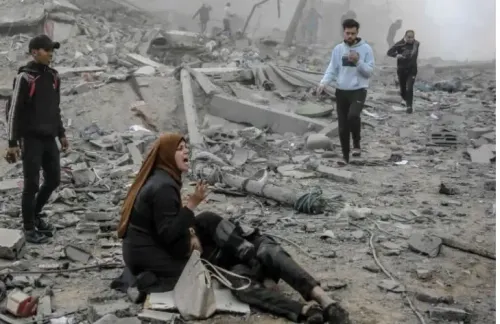
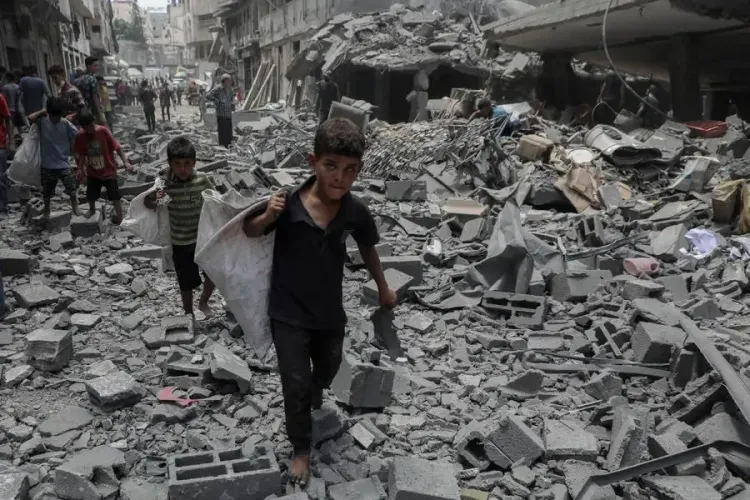
Israeli airstrikes across the Gaza Strip continue to hit residential areas and disrupt critical infrastructure, the United Nations Office for the Coordination of Humanitarian Affairs (OCHA) warned on Wednesday, 30 April 2025. According to OCHA, at least one NGO worker has been killed and four injured in a recent strike on a water well in Gaza City, with humanitarian agencies warning that water services face a serious risk of total collapse.
Strike on Water Well Kills NGO Worker
A recent Israeli airstrike reportedly struck non-governmental organisation (NGO) workers at a water well in Gaza City, killing one and injuring four others, according to OCHA. The well sustained heavy damage and on-site operations have since been suspended. Separately, activities were also halted at the Al Mansoura water filling point, where two civilian truck drivers contracted by the UN Children's Fund (UNICEF) were also recently killed, the office said.
Water Access Crisis: 60% of Families Affected
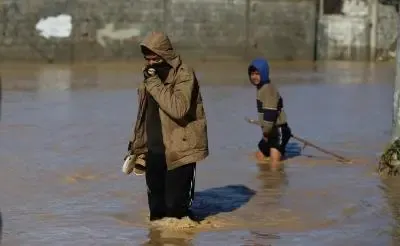
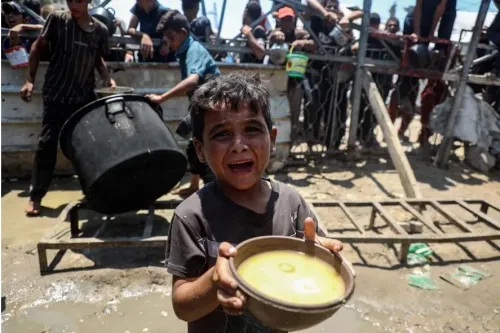
Despite the attacks, OCHA's humanitarian partners reported that overall water production has not yet fallen, with teams filling gaps by trucking in additional clean water. However, the situation remains deeply precarious. According to OCHA, approximately 60 per cent of families in Gaza cannot access sufficient clean water. Humanitarians stressed that current arrangements are both costly and unsustainable, relying heavily on increased fuel, oil, generators, spare parts, trucks, and a pipe network that has been described as wholly inadequate.
The United Nations said it has been engaging with authorities to facilitate the entry of these and other critical supplies into Gaza. Without them, OCHA warned, water production and other essential services are at serious risk of collapse.
Broader Humanitarian Operations Continue
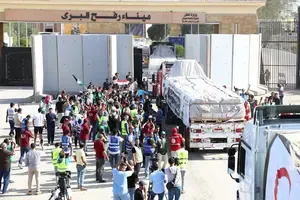
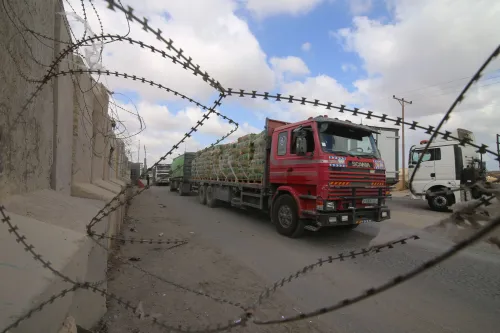
On Tuesday, 29 April, the UN and its humanitarian partners collected additional food, medicine, and hygiene items at the Kerem Shalom/Karem Abu Salem border crossing. The operation also supported the medical evacuation of two dozen patients and their companions, and provided protection and other services to nearly 50 returnees.
Also on Tuesday, the UN recovered broken trucks from hard-to-reach areas where Israeli forces remain deployed. Nearly 100 humanitarian staff crossed in or out of Gaza — a routine but essential rotation to ease pressure and prevent burnout among frontline teams operating under extremely challenging conditions, OCHA said.
International Humanitarian Law Obligations
OCHA explicitly stressed that civilians and civilian objects — including critical facilities that communities rely upon to meet basic needs — must be protected in line with international humanitarian law. The agency said humanitarian operations continue across all sectors despite the ongoing hostilities. The warning comes amid a broader international debate over the adequacy of humanitarian access to Gaza and the obligations of all parties under the laws of armed conflict.
Point of View
While the infrastructure keeping the remainder supplied depends on fuel, generators, and trucks rather than a functioning pipe network, signals a humanitarian system running on borrowed time. Strikes on water wells and the killing of civilian contractors do not merely cause immediate harm — they systematically degrade the capacity to recover. The international community's continued engagement through border crossings is necessary but insufficient if the infrastructure being destroyed faster than it can be repaired.
NationPress
15 Sept 2026
Frequently Asked Questions
What did the UN say about Israeli strikes on Gaza?
The UN's OCHA reported on 30 April 2025 that Israeli airstrikes continue to hit residential areas and disrupt critical services in Gaza, including a strike on a water well in Gaza City that killed one NGO worker and injured four others. The agency warned that water and other essential services face a serious risk of collapse.
How many families in Gaza lack access to clean water?
According to OCHA, approximately 60 per cent of families in Gaza cannot access sufficient clean water. Humanitarian partners are filling gaps by trucking in additional supplies, but the agency has warned this approach is costly and unsustainable.
What happened at the Al Mansoura water filling point?
Activities at the Al Mansoura water filling point were suspended after two civilian truck drivers contracted by UNICEF were recently killed there, according to OCHA.
What humanitarian activities took place at the Kerem Shalom border crossing?
On 29 April, UN agencies and humanitarian partners collected food, medicine, and hygiene items at the Kerem Shalom/Karem Abu Salem border crossing. They also supported the medical evacuation of two dozen patients and provided services to nearly 50 returnees.
Why does the UN say Gaza's water situation is unsustainable?
OCHA says Gaza's water supply currently depends heavily on fuel, oil, generators, spare parts, trucks, and a severely damaged pipe network — all of which are costly and insufficient to meet demand. Without the entry of critical supplies and protection of infrastructure, the agency warns water production could collapse entirely.