U.S. Revises Steel Tariffs to Alleviate Burdens on South Korean Firms
Synopsis
The U.S. is adjusting its metal tariffs, which is expected to alleviate the administrative load on South Korean companies. Trade Minister Yeo Han-koo assures continued government support to help businesses navigate these changes.
Key Takeaways
U.S. metal tariffs have been simplified to reduce administrative complexities.
South Korean companies will likely experience decreased uncertainties.
Seventeen percent of products are now exempt from these tariffs.
The government is committed to supporting affected businesses.
Continued cooperation in technology sectors is a priority for both nations.
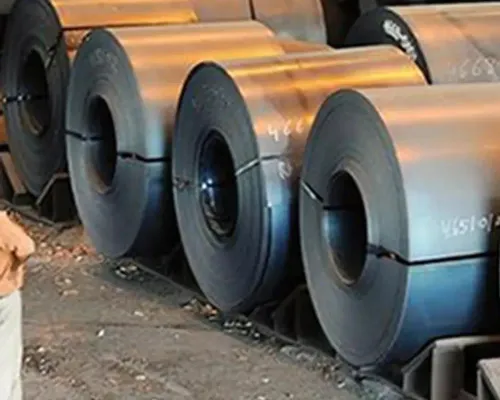
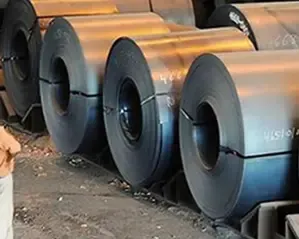
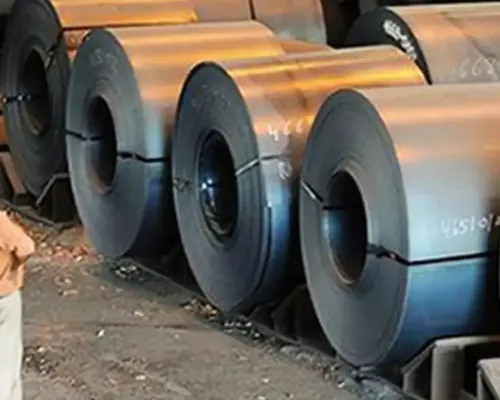
Seoul, April 9 (NationPress) The recent revision of metal tariffs by the United States is anticipated to ease the overall administrative load on South Korean businesses, although the effects may vary by product category, stated Seoul's Trade Minister on Thursday, promising efforts to assist companies in reducing their burdens.
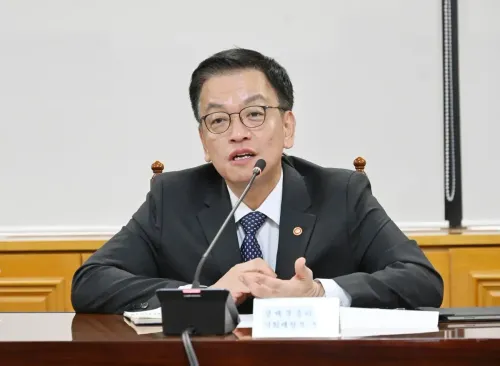
Trade Minister Yeo Han-koo shared this evaluation during a session with industry officials impacted by U.S. tariffs on imports of steel, aluminum, and copper, along with their derivatives, as reported by the Ministry of Trade, Industry and Resources, according to Yonhap news agency.
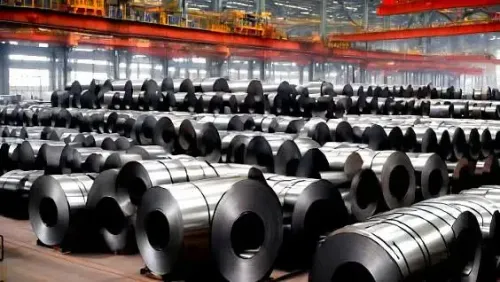
The U.S. administration under President Trump has streamlined its tariffs on these products earlier this week, making them applicable based on the "full customs value." Previously, the duties were calculated based on the metal content value in each product, which was a more intricate process.
Following this tariff simplification, Minister Yeo noted that the overall administrative responsibilities for domestic firms and the uncertainties associated with customs clearance are likely to diminish.
According to ministry reports, the new U.S. tariff system has led to a 17 percent reduction in the number of products facing these metal tariffs, with cosmetics, chemicals, furniture, and other items being excluded from the tariff list.
However, Minister Yeo cautioned that the government will remain alert as the U.S. could potentially add more items to the tariff list following a planned review of the system, while continuously working on necessary support measures for the affected companies.
In a related development, South Korea and the U.S. conducted their initial follow-up discussions on Thursday to elaborate on the details of a technology cooperation agreement signed last year, as announced by the science ministry.
This virtual meeting marked the commencement of a working group under the Technology Prosperity Deal, which was signed during a South Korea-U.S. summit in October in Gyeongju, located approximately 275 kilometers southeast of Seoul, coinciding with the Asia-Pacific Economic Cooperation (APEC) summit.
During this inaugural meeting, both nations deliberated on the framework and functioning of the working group, as well as the ultimate objectives and collaborative areas through associated activities, as stated by the Ministry of Science and ICT in a press release.
The two nations aim to bolster their partnership across various advanced sectors, including artificial intelligence (AI), digital infrastructure, biotechnology, and space exploration.
Point of View
It is clear that the recent U.S. tariff adjustments signify a strategic move to ease trade complexities for South Korean companies. While the benefits are apparent, ongoing vigilance is necessary as more items could be added to the tariff list.
NationPress
27 Jul 2026
Frequently Asked Questions
What changes have been made to U.S. metal tariffs?
The U.S. has revised its tariffs to be based on the full customs value of products, simplifying the calculation process for businesses.
How will these changes affect South Korean companies?
The adjustments are expected to lessen the administrative burden and uncertainties regarding customs clearance for South Korean firms.
What products are excluded from the U.S. metal tariffs?
Cosmetics, chemicals, furniture, and several other items have been excluded from the list of products facing U.S. metal tariffs.
What ongoing discussions are taking place between South Korea and the U.S.?
The two countries are engaged in follow-up talks to elaborate on a technology cooperation agreement signed last year.
Which sectors are expected to benefit from U.S.-South Korea cooperation?
Collaboration is anticipated in advanced areas such as artificial intelligence, digital infrastructure, biotechnology, and space exploration.