Preparations Underway for US-Iran Talks Amid Diplomatic Tensions
Synopsis
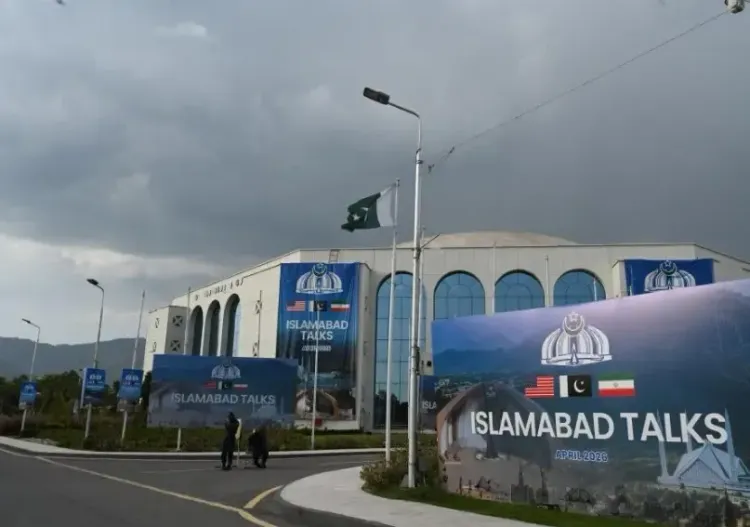
Islamabad is gearing up for potentially crucial US-Iran talks, with security measures firmly in place. However, uncertainty clouds the meeting's timing and outcomes, as both nations navigate complex diplomatic waters.
Key Takeaways
Security Preparations: Over 20,000 personnel have been deployed for the talks.
Uncertain Timing: The exact timing of the negotiations remains unclear.
Iran's Skepticism: Tehran has voiced doubts about the US’s commitment to a deal.
Regional Implications: The talks could significantly impact Middle Eastern stability.
High Stakes: Both nations face pressure to achieve a diplomatic resolution.
Islamabad, April 21 (NationPress) The capital of Pakistan is poised for anticipated US-Iran negotiations, even as the timing of the upcoming discussions remains uncertain.
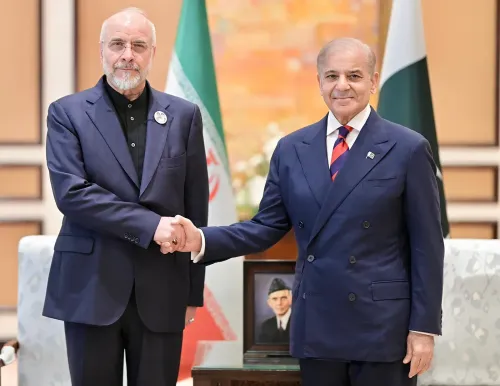
On Monday, Pakistan’s Interior Minister Mohsin Naqvi informed Iran's Ambassador to Pakistan, Reza Amiri Moghadam, that all arrangements for the second phase of talks in Islamabad have been finalized, as stated by the interior ministry.
The minister met with the ambassador to review security measures for the upcoming talks, assuring that comprehensive security protocols are in place for foreign delegations, according to reports from Xinhua.
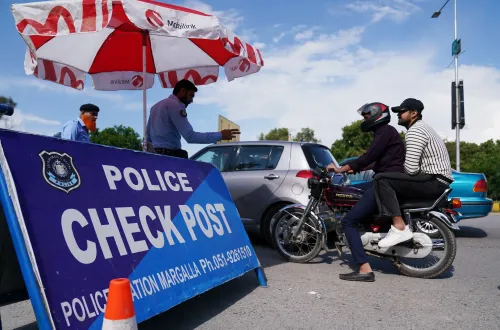
Approximately 20,000 police officers, along with elite commandos—including snipers—have been mobilized for security across Islamabad and the adjacent city of Rawalpindi, as reported by police sources.
The Punjab Highway Patrol, Dolphin Force, and Quick Response Unit have also been placed on standby, while Safe City cameras and rooftop snipers are conducting continuous surveillance.
Similar security measures were implemented prior to the first round of peace negotiations between the United States and Iran, aimed at alleviating recent tensions in the Middle East.
Security officials indicated that a team of advance personnel from the United States, including security staff, has arrived to facilitate preparations for the anticipated discussions.
Major hotels, such as the Serena Hotel and Marriott Hotel, have been instructed to clear their guests following government requisitioning of the properties for the negotiations, while hostels and guesthouses in the capital have been ordered to close until further notice.
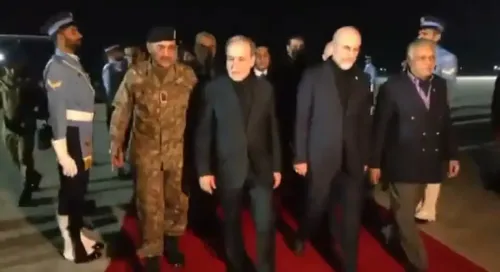
Pakistan's Deputy Prime Minister and Foreign Minister Ishaq Dar also held talks with Iranian Foreign Minister Seyed Abbas Araghchi on Monday.
However, as this report was compiled, it remains unclear whether the two countries will convene again in Islamabad.
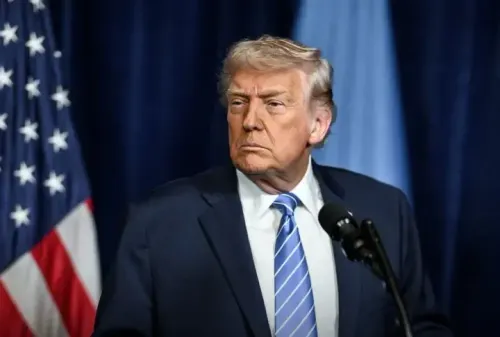
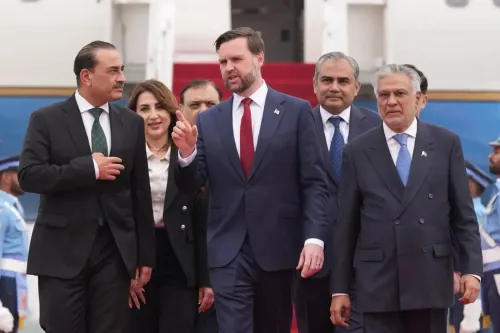
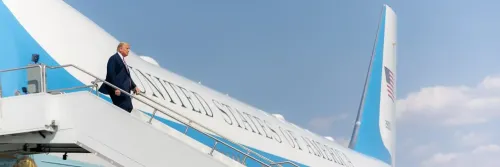
US President Donald Trump stated in an interview with Fox News that an agreement with Iran could potentially be finalized "tonight" in Pakistan's capital. Subsequently, American media reported that Vice President JD Vance and the US delegation are scheduled to travel to Islamabad on Tuesday.
Iran has adopted a cautious stance. Foreign Ministry spokesperson Esmaeil Baghaei remarked that Tehran currently has no plans for a second round of discussions, accusing Washington of lacking seriousness since the ceasefire on April 8.
He referenced alleged broken commitments, the US's "naval blockade" in the Strait of Hormuz, the capture of an Iranian commercial ship, and disputes regarding whether the truce in Lebanon is part of the ceasefire agreement.
Iranian President Masoud Pezeshkian also expressed a defiant position, stating on social media that Iranians "do not yield to force" and accusing Washington of sending conflicting signals while demanding Tehran's capitulation.
The current two-week ceasefire is set to end on Wednesday, with Trump asserting that it is "highly unlikely" he would extend it without a deal, adding that the Strait of Hormuz will remain obstructed until an agreement is reached.
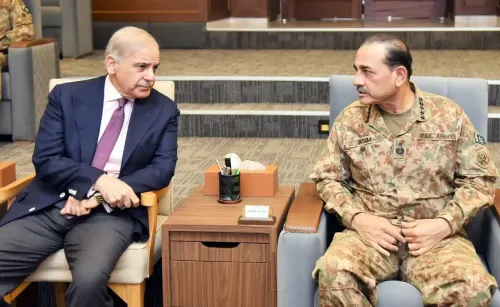
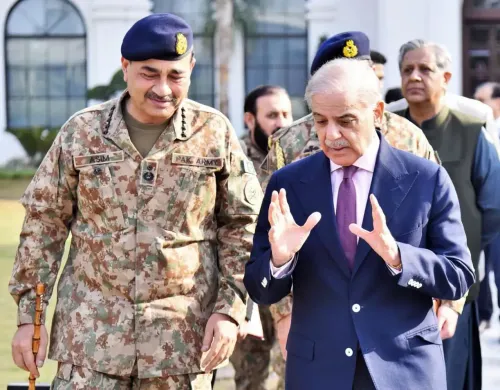
Earlier in the day, Pakistan's Army Chief, Field Marshal Asim Munir, reportedly informed Trump that the blockade of Iranian ports would pose a significant challenge to meaningful diplomatic progress.
Iran has also suggested it may consider imposing tolls on vessels transiting through the strait, raising concerns among Gulf nations and international shipping entities.
Despite the uncertainty, analysts remain cautiously hopeful about the potential for talks in Islamabad. Defence analyst and retired Air Commodore Khalid Chishti noted that neither party seems inclined to reignite conflict, as both Washington and Tehran face increasing pressure to find a resolution that allows for face-saving outcomes.
Point of View
It is imperative to recognize the intricate dynamics at play. Both nations face immense pressure to reconcile differences, yet the path to a fruitful negotiation remains fraught with challenges. Staying informed and understanding the nuances of this situation is vital for a comprehensive perspective.
NationPress
19 Sept 2026
Frequently Asked Questions
What is the status of the US-Iran talks?
Preparations for the talks in Islamabad are complete, but the timing and confirmation of the meeting remain uncertain.
What security measures have been implemented for the talks?
Over 20,000 police personnel, elite commandos, and surveillance teams have been deployed to ensure security during the negotiations.
What are Iran's current positions regarding the talks?
Iran has expressed skepticism about the talks, citing broken promises and a lack of seriousness from the US.
What impact do these talks have on regional stability?
The outcome of the talks could significantly affect diplomatic relations and tensions in the Middle East.
Who are the key figures involved in the talks?
Key figures include US President Donald Trump, Iranian Foreign Minister Seyed Abbas Araghchi, and Pakistan's Foreign Minister Ishaq Dar.