Have Over 2,000 Measles Cases Been Reported in the US in 2025, the Highest Since 1992?

Synopsis
In a startling revelation, the US has reported over 2,000 measles cases in 2025, the highest since 1992. This alarming trend raises concerns about public health and vaccination efforts. With experts warning of potential loss of elimination status, it's crucial to understand the implications of this surge.
Key Takeaways
Over 2,000 measles cases reported in the US in 2025.
Highest total since 1992 , raising public health concerns.
49 outbreaks recorded, with most cases associated with these outbreaks.
Children aged 5 to 19 represent 42 percent of cases.
Importance of vaccination emphasized as a preventive measure.
Los Angeles, Jan 2 (NationPress) The United States has recorded over 2,000 cases of measles in 2025, marking the highest annual count since 1992, as per the latest statistics from the US Centres for Disease Control and Prevention (CDC).
As of December 30, there were a total of 2,065 confirmed measles cases reported nationwide, with approximately 11 percent of those hospitalized. These cases were noted across 44 US jurisdictions, alongside a few instances involving international visitors to the United States, the CDC indicated.
This total represents the highest annual number since 1992, when 2,126 cases were documented nationwide.
According to CDC findings, 49 outbreaks were observed in 2025, with outbreak-related cases constituting 88 percent of all confirmed infections.
The demographic most affected was children and adolescents aged 5 to 19, who represented about 42 percent of the total cases.
In 2025, there were three confirmed fatalities attributed to measles in the United States, as reported by Xinhua news agency.
Measles was declared eliminated in the United States in 2000, which means that there is no ongoing transmission within the country, and new cases generally arise from individuals contracting the virus abroad and returning home, according to the CDC.
Given the recent rise in measles cases and outbreaks, public health experts have cautioned that the United States is at risk of losing its elimination status, a fate that Canada experienced in November 2025.
Measles is an exceptionally contagious disease caused by a virus, easily transmitted when an infected individual breathes, coughs, or sneezes. It can lead to severe health complications and even death.
While anyone can contract measles, it predominantly affects children.
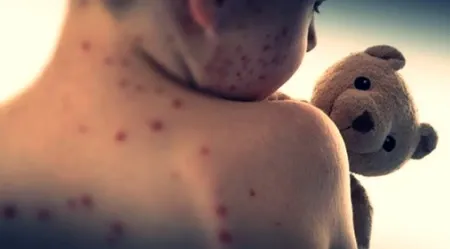
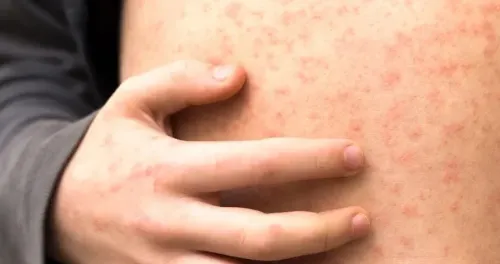
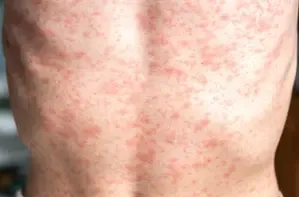
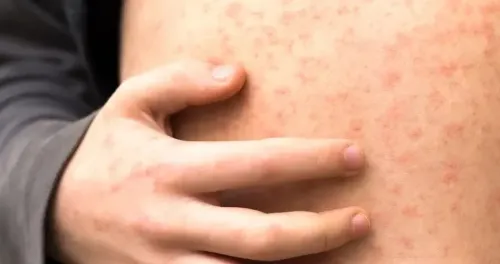
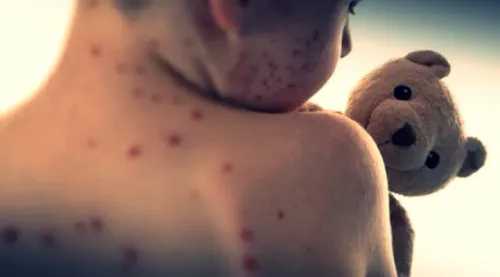
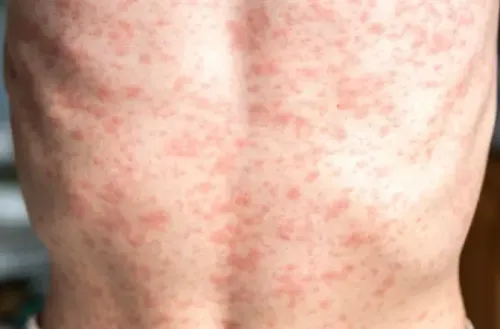
Measles targets the respiratory system and spreads throughout the body. Initial symptoms include a high fever, cough, runny nose, and an all-over body rash.
The most effective means of preventing measles infection and its spread is through vaccination. The vaccine is considered safe and enhances the body's ability to combat the virus.
Prior to the measles vaccine's introduction in 1963 and its widespread use, significant epidemics occurred approximately every two to three years, resulting in an estimated 2.6 million deaths annually.
In 2023 alone, an estimated 107,500 individuals died from measles, predominantly children under five years old, despite the availability of a safe and cost-effective vaccine.
Measles symptoms generally emerge 10–14 days following exposure to the virus, with a prominent rash being the most noticeable sign.
Early symptoms typically persist for 4–7 days and include: runny nose, cough, red and watery eyes, and small white spots inside the cheeks.
The rash usually appears 7–18 days after exposure, typically starting on the face and upper neck. It spreads over approximately three days, eventually reaching the hands and feet, and usually lasts 5–6 days before gradually fading.
Point of View
It is imperative to recognize the gravity of the recent measles outbreak in the United States. The significant rise in cases, especially among the youth, reflects broader public health challenges and the urgent need for effective vaccination programs. The nation's elimination status is at stake, and it is essential for authorities to address these concerns promptly.
NationPress
2 Oct 2026