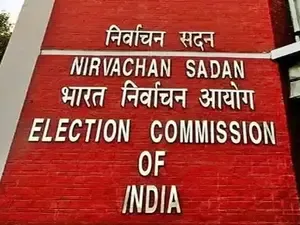
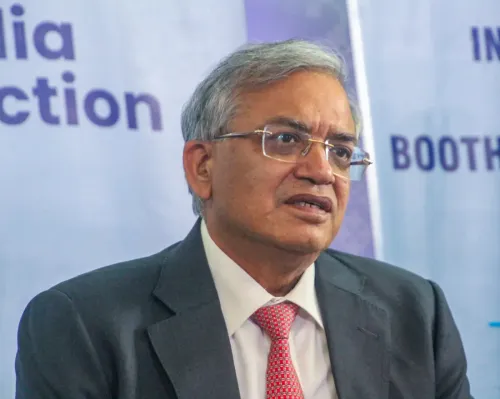
Election Commission 'vote chor' remarks damaging India's image abroad: Retired HC Judge KC Puri
Synopsis
A group of 42 retired judges issued a rare open letter defending the Election Commission, and retired HC judge KC Puri has now gone further — warning that 'vote chor' slurs and street agitations are doing real damage to India's global standing. His pointed reference to external forces and the absence of any formal legal challenge adds a sharp edge to what is fast becoming a high-stakes institutional standoff.
Key Takeaways
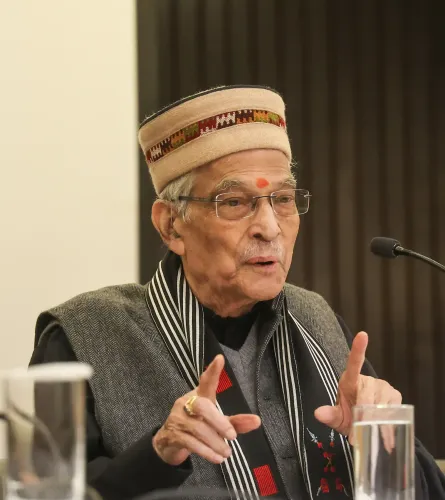
Retired Punjab and Haryana HC judge Justice Karam Chand Puri condemned the use of 'vote chor' and 'puppet' language against the Election Commission of India on 9 October 2026 .
A group of 42 retired judges wrote an open letter warning against attempts to undermine constitutional institutions amid protests over the Special Intensive Revision of electoral rolls .
Justice Puri noted the electoral roll revision was the first in 20 years and called it necessary to remove deceased voters, duplicates, and incorrect entries.
He pointed out that neither aggrieved parties nor opposition leaders formally approached the ECI or courts before protesting on the streets.
The former judge hinted at the involvement of external forces and urged India's youth to verify facts before joining agitations.
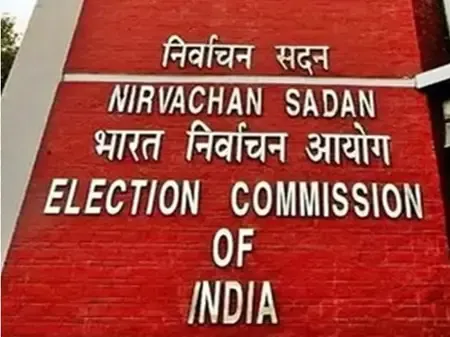
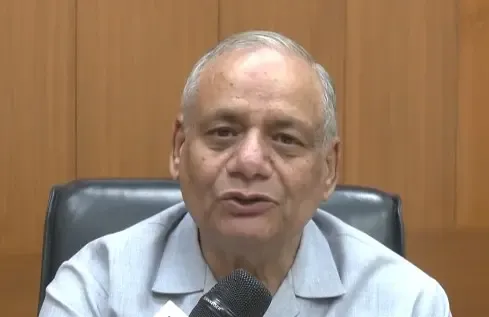
Retired Punjab and Haryana High Court judge Justice Karam Chand Puri on Friday, 9 October said that labelling the Election Commission of India (ECI) a 'vote chor' or 'puppet', and staging street protests over electoral roll revisions, is actively damaging India's international image. His remarks came days after a group of 42 retired judges issued an open letter cautioning against efforts to undermine constitutional institutions such as the ECI.
Background: The Open Letter and the Controversy
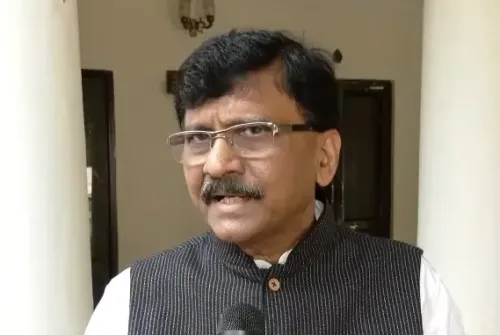
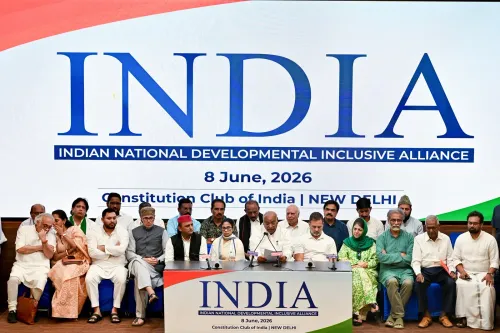
The open letter by former judges was prompted by protests demanding the resignation of Chief Election Commissioner (CEC) Gyanesh Kumar over alleged irregularities in the conduct of the Special Intensive Revision of electoral rolls. Critics, particularly from the INDIA bloc, raised concerns that the revision led to the deletion of genuine voters' names. The former judges, along with senior retired bureaucrats, wrote collectively to push back against what they called an assault on constitutional bodies.
Justice Puri stressed that the revision was long overdue. 'The previous Special Intensive revision took place 20 years ago. Over these 20 years, many voters have passed away, some have been transferred, duplicate entries have appeared, or names have been incorrectly listed for various reasons. Removing them after 20 years was very necessary,' he said.
Strong Words Against Political Language
'It pains us when improper language is used against constitutional establishments like the Supreme Court or the Election Commission. Using words like 'vote chor', or 'puppet' for such institutions in a democratic country, is extremely wrong,' Justice Puri said, underscoring that the ECI's constitutional authority ranks above even that of a Supreme Court judge in its designated domain.
He drew a clear distinction between legitimate grievance redressal and political weaponisation. 'Whoever has a problem, whichever voter's vote has been deleted — if they come forward, then it is a very good thing, and their grievance should be addressed. But using this for political purposes is, in my opinion, completely wrong and should be discouraged,' he said.
Constitutional Remedies Ignored, Critics Argue
The retired judge pointed out that neither aggrieved voters nor opposition parties had formally approached either the Election Commission or the courts before taking to the streets. 'First, you should approach the Election Commission. No one went to the Election Commission. The second remedy is the court. No one went to the court either,' he said. He reiterated that creating a 'ruckus' on the streets, disrupting traffic, and blocking ambulances amounted to a step that harmed rather than helped democratic accountability.
On the question of EVM-related allegations, Justice Puri noted that such claims tend to surface only after electoral defeats. 'Such allegations are not made in states where the opposition parties win,' he remarked, adding that repeated 'vote chori' allegations dent India's credibility internationally.
Warning About External Forces
Justice Puri went further, hinting at the possible role of external actors in fanning domestic unrest. 'External forces are certainly present. Many are extremely jealous of India's progress. Even without naming specific countries, several large nations are envious,' he said, appealing to the youth to examine all facts before participating in agitations. He invoked the comparison with Pakistan to underline the value of democratic stability: 'You can see what is happening in Pakistan. In a democracy, even when things are functioning properly, if you hurl abuses at constitutional authorities like this, it damages the country's image abroad.'
The former judge was careful to note that the open letter was not partisan. 'If there is genuine vote rigging or theft, I completely support whichever party speaks out against it. But if there is no theft and yet you become aggressive, block streets, disrupt traffic or prevent ambulances from passing, leading to situations where people lose their lives on the road, then that is not good for the country's progress,' he added. The broader debate over the ECI's independence and the integrity of the electoral roll revision is likely to intensify as political parties weigh their next moves.
Point of View
Which legally weakens the narrative of urgency. The invocation of 'external forces' is a recurring motif in Indian political discourse and is easy to dismiss, but the broader point about reputational harm is harder to ignore: India's democratic credentials are under international scrutiny, and street theatre around electoral bodies feeds a narrative that adversaries are happy to amplify. The real accountability question cuts both ways — the ECI must demonstrate transparency in how the roll revision was conducted, while opposition parties must decide whether courts or cameras serve democratic interests better.
NationPress
10 Oct 2026
Frequently Asked Questions
What did retired judge KC Puri say about 'vote chor' remarks?
Retired Punjab and Haryana High Court judge Justice Karam Chand Puri said that using terms like 'vote chor' and 'puppet' against the Election Commission of India is 'extremely wrong' in a democratic country and is damaging India's image abroad. He made these remarks on 9 October 2026 in the context of protests over the Special Intensive Revision of electoral rolls.
Why did 42 retired judges write an open letter about the Election Commission?
The 42 retired judges wrote an open letter to warn against attempts to undermine the Election Commission and other constitutional institutions amid ongoing protests demanding the resignation of Chief Election Commissioner Gyanesh Kumar. The protests were triggered by allegations of irregularities in the Special Intensive Revision of electoral rolls.
What is the Special Intensive Revision of electoral rolls?
The Special Intensive Revision is a periodic exercise by the Election Commission to update voter lists — removing names of deceased voters, eliminating duplicate entries, and correcting incorrectly listed names. According to Justice Puri, the previous such revision took place 20 years ago, making the current exercise overdue.
What legal remedies did Justice Puri say were available instead of street protests?
Justice Puri noted that aggrieved voters or parties could have first approached the Election Commission directly and, failing that, approached a court. He pointed out that neither step was taken before protests began, which he said weakened the credibility of the agitation.
What did Justice Puri say about external forces and EVM allegations?
Justice Puri hinted that external forces jealous of India's progress may be fuelling domestic unrest, urging youth to verify facts before acting. On EVMs, he said allegations of rigging tend to emerge only when opposition parties lose, not when they win, and that such claims damage India's democratic image internationally.