Are Women Judges Making Strides in India's Higher Judiciary?
Synopsis
Discover the current state of women judges in India's higher judiciary. A recent announcement reveals that 116 women are serving among 814 judges in the Supreme Court and High Courts. Explore the implications of this representation and the government's commitment to enhancing diversity in the judiciary.
Key Takeaways
116 women judges currently serve in India's Higher Judiciary.
The Punjab and Haryana High Court leads with 18 female judges .
Since 2014 , 170 women judges have been appointed in the High Courts.
Only one woman serves in the Supreme Court among 33 judges .
Some states have no women representation in their High Courts.
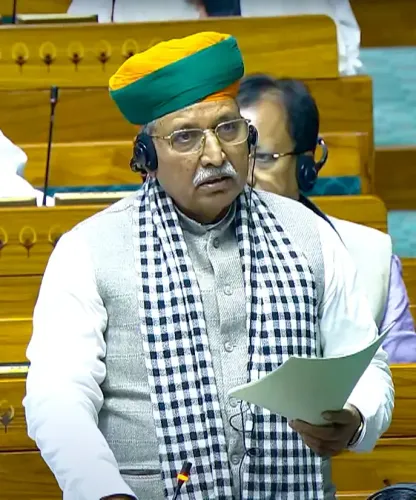
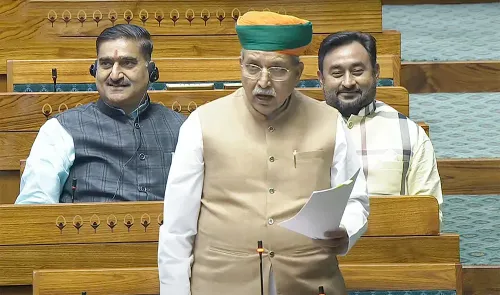
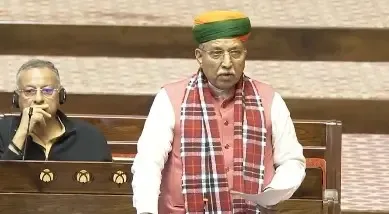
New Delhi, Feb 6 (NationPress) The Minister of State (MoS) for Law and Justice, Arjun Ram Meghwal, announced on Friday that there are currently 116 women judges serving in the Higher Judiciary, which comprises a total working strength of 814. The Punjab and Haryana High Court leads with the highest number of female judges at 18.
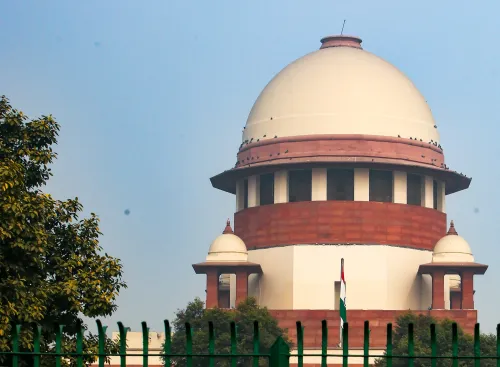
Responding to a question in the Lok Sabha, MoS Meghwal provided statistics regarding the number of women judges in the Supreme Court and various High Courts, noting that out of 33 Supreme Court judges, only a solitary judge is a woman.
Since 2014, a total of 170 women judges have been appointed to the High Courts, with 96 of those appointments occurring in the last five years, alongside six appointments in the Supreme Court.
The data revealed that the Allahabad High Court, which has the largest working strength at 110 judges, includes seven women judges.
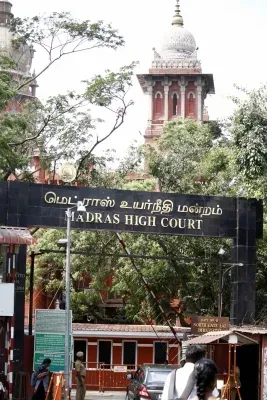
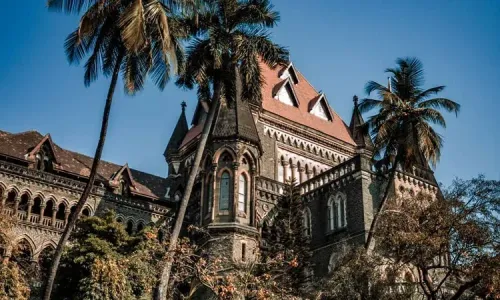
The Bombay High Court follows with 12 women judges, while the Delhi and Madras High Courts each have 10.
Conversely, the High Courts in Uttarakhand, Tripura, and Manipur currently show no female representation.
MoS Meghwal stated that judicial appointments to the Supreme Court and High Courts are governed by Articles 124, 217, and 224 of the Indian Constitution, which do not stipulate reservations for any specific caste or class of individuals.
He emphasized that only those individuals who are recommended by the Supreme Court Collegium are appointed as judges in the Supreme Court and High Courts.
As per the Memorandum of Procedure, the initiation of proposals for judges' appointments in the Supreme Court is the responsibility of the Chief Justice of India, while the Chief Justices of the respective High Courts are responsible for their own appointments.
Nonetheless, the Union government remains committed to enhancing social diversity within the judiciary and has been urging Chief Justices of High Courts to consider candidates from Scheduled Castes, Scheduled Tribes, Other Backward Classes, minorities, and women, to promote social diversity in judicial appointments.
Point of View
It is evident that while progress has been made in appointing women judges to India's higher judiciary, there remains a considerable gap in representation. The government’s commitment to enhancing social diversity in judicial appointments is commendable, but practical measures must ensure that qualified candidates from various backgrounds are consistently considered.
NationPress
20 Sept 2026
Frequently Asked Questions
How many women judges are currently serving in India's Higher Judiciary?
As of now, there are 116 women judges serving among a total of 814 judges in the Higher Judiciary.
Which High Court has the most women judges?
The Punjab and Haryana High Court has the highest number of women judges, with a total of 18.
What has been done to improve gender diversity in the judiciary?
The Union government is urging Chief Justices of High Courts to consider candidates from Scheduled Castes, Scheduled Tribes, Other Backward Classes, minorities, and women to ensure diversity in judicial appointments.