SC Collegium recommends 13 new High Court judges in P&H, AP
Synopsis
The Supreme Court Collegium cleared 13 new High Court appointments in a single sitting on 4 May 2026 — 10 for Punjab & Haryana and 3 for Andhra Pradesh. With India's judiciary chronically understaffed, this batch signals a push to close the gap between sanctioned and working judge strength at two of the country's busier High Courts.
Key Takeaways
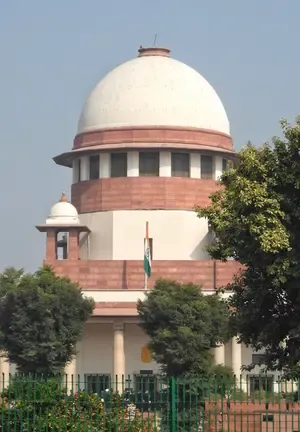
The Supreme Court Collegium , headed by CJI Surya Kant , approved 13 High Court appointments on 4 May 2026 .
10 advocates were recommended for the Punjab and Haryana High Court , including Pravindra Singh Chauhan , Rajesh Gaur , Minderjeet Yadav , and seven others.
3 judicial officers — Sunitha Gandham , Alapati Giridhar , and Purushottam Kumar Chintalapudi — were recommended for the Andhra Pradesh High Court .
Under the Memorandum of Procedure , appointments take effect only after the President of India signs the warrant and the notification is published in the Gazette of India .
The batch is among the larger single-day collegium recommendations of 2026 , amid ongoing concerns about judicial vacancies and case backlogs.
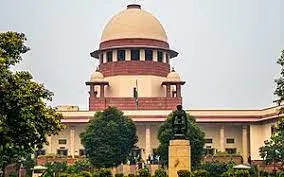
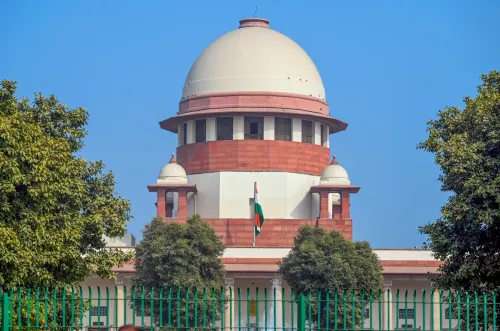
The Supreme Court Collegium, headed by Chief Justice of India (CJI) Sурya Kant, on 4 May 2026 recommended the appointment of 13 advocates and judicial officers as permanent judges across the High Courts of Punjab and Haryana and Andhra Pradesh. The recommendations, formalised in two separate statements issued on Tuesday, 5 May 2026, mark one of the larger single-day judicial appointment batches this year.
Punjab and Haryana High Court: 10 Advocates Cleared
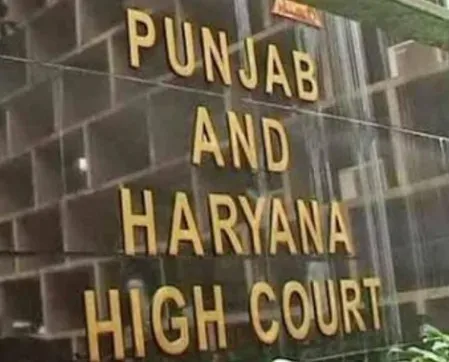
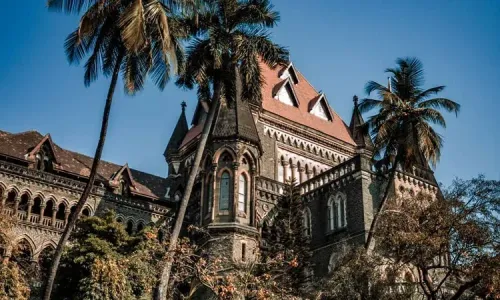
The Collegium approved two separate sets of names for the Punjab and Haryana (P&H) High Court. In the first batch, three advocates — Pravindra Singh Chauhan, Rajesh Gaur, and Minderjeet Yadav — were cleared for appointment as judges.
A second batch of seven advocates was approved in a separate resolution. These are Monica Chhibber Sharma, Harmeet Singh Deol, Puja Chopra, Sunish Bindlish, Navdeep Singh, Divya Sharma, and Ravinder Malik. Notably, three of the ten names recommended for P&H are women, reflecting a gradual broadening of gender representation on the bench.
Andhra Pradesh High Court: Three Judicial Officers Elevated
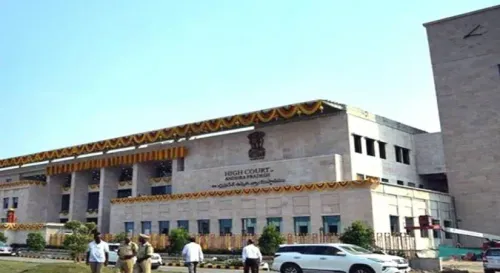
For the Andhra Pradesh High Court, the Collegium approved the elevation of three judicial officers — Sunitha Gandham, Alapati Giridhar, and Purushottam Kumar Chintalapudi (also known as Ch. Purushottama Kumar) — as permanent judges. Unlike the P&H batch, which drew entirely from the advocates' bar, the AP appointments elevate serving judicial officers from the subordinate judiciary.
How the Appointment Process Works
Under the Memorandum of Procedure (MoP) governing High Court appointments, the process begins with the Chief Justice of the concerned High Court initiating a proposal. If the Chief Minister wishes to recommend a name, it must be routed through the Chief Justice. The Governor, acting on the Chief Minister's advice, then forwards the full recommendation to the Union Minister of Law and Justice — preferably within six weeks of receiving the proposal.
The Centre examines the proposal alongside relevant background inputs before transmitting it to the CJI, who consults the two senior-most judges of the Supreme Court. The CJI ordinarily forwards the final recommendation to the Law Minister within four weeks. Appointments take effect once the President of India signs the warrant of appointment, after which the Department of Justice notifies the Chief Justice and the appointment is published in the Gazette of India.
Context and Significance
India's higher judiciary has long grappled with a chronic shortage of judges relative to sanctioned strength, contributing to mounting case backlogs. The P&H High Court, one of the busiest in the country, has periodically operated well below its sanctioned judge strength. This comes amid renewed focus by the Supreme Court on expediting collegium recommendations and reducing the lag between recommendation and presidential assent — a friction point that has historically delayed actual appointments by months. The current batch, if cleared swiftly by the Centre and the President, could meaningfully ease the docket pressure on both courts.
Point of View
But the real bottleneck has never been the Collegium — it is the gap between recommendation and presidential assent, which has stretched to over a year in past instances. Until the Centre commits to a fixed outer limit for processing Collegium recommendations, each batch announcement risks being a headline without a timeline. The inclusion of judicial officers in the AP batch also raises a structural question: with subordinate court experience increasingly valued, should the MoP more explicitly weight district judiciary track records against bar seniority in High Court appointments?
NationPress
23 Oct 2026
Frequently Asked Questions
Which High Courts received new judge recommendations from the SC Collegium on 4 May 2026?
The Supreme Court Collegium recommended judges for two High Courts — Punjab and Haryana, and Andhra Pradesh — in its meeting held on 4 May 2026. A total of 13 names were approved across both courts.
Who are the advocates recommended for the Punjab and Haryana High Court?
Ten advocates were recommended: Pravindra Singh Chauhan, Rajesh Gaur, Minderjeet Yadav, Monica Chhibber Sharma, Harmeet Singh Deol, Puja Chopra, Sunish Bindlish, Navdeep Singh, Divya Sharma, and Ravinder Malik.
Who were recommended as judges for the Andhra Pradesh High Court?
Three judicial officers — Sunitha Gandham, Alapati Giridhar, and Purushottam Kumar Chintalapudi (also known as Ch. Purushottama Kumar) — were approved for appointment as judges of the Andhra Pradesh High Court.
When do these appointments officially take effect?
The appointments take effect only after the President of India signs the warrant of appointment. The Department of Justice then informs the concerned Chief Justice and the appointment is notified in the Gazette of India.
What is the Memorandum of Procedure for High Court judge appointments?
The MoP is the framework governing how High Court judges are appointed. The process starts with the High Court Chief Justice's proposal, passes through the Governor and Chief Minister, goes to the Union Law Ministry, and is finalised by the CJI after consulting the two senior-most Supreme Court judges, before presidential assent.