SC Collegium clears 10 new High Court judges for Karnataka, MP, Himachal
Synopsis
In one of the first major moves under CJI Surya Kant, the Supreme Court Collegium has cleared 10 fresh High Court appointments — six for Karnataka, one for Madhya Pradesh and three for Himachal Pradesh — signalling a push to chip away at chronic judicial vacancies that have stalled case disposal across key states.
Key Takeaways
The Supreme Court Collegium met on 2 June 2026 under CJI Surya Kant and cleared 10 new High Court appointments .
Six advocates recommended for the Karnataka High Court , including Raghavendra Seetharam Srivatsa and Hema Kulkarni .
Advocate Amit Lahoti recommended for the Madhya Pradesh High Court .
Judicial officers Chirag Bhanu Singh , Bhupesh Sharma and Yogesh Jaswal cleared for the Himachal Pradesh High Court .
Appointments will take effect only after the President signs the warrants and the Gazette notification is issued.
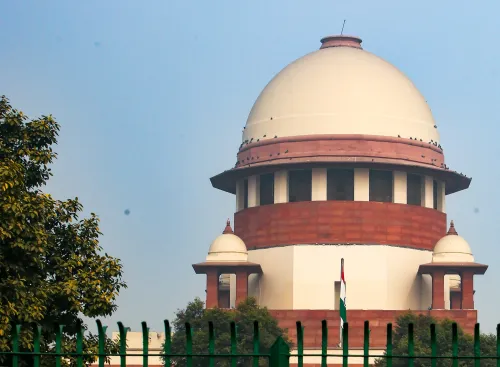
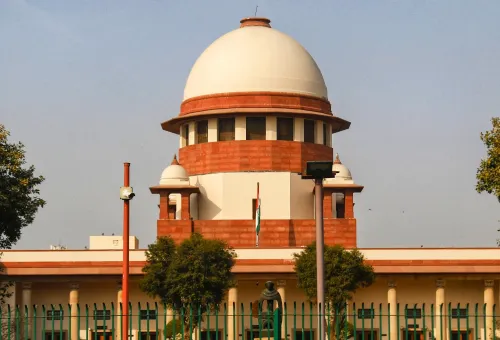
The Supreme Court Collegium, headed by Chief Justice of India Surya Kant, has recommended the appointment of 10 new judges across the Karnataka, Madhya Pradesh and Himachal Pradesh High Courts, in a fresh round of judicial appointments cleared at its meeting on 2 June 2026. The decisions, formalised through official statements uploaded on the apex court's website, mark one of the first significant Collegium actions under CJI Surya Kant's tenure.
Karnataka High Court: six names cleared
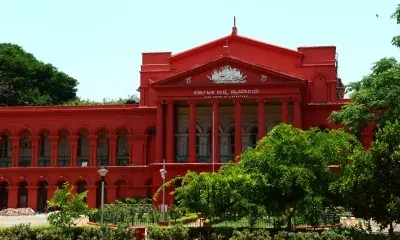
The Collegium approved the elevation of six advocates as judges of the Karnataka High Court — Raghavendra Seetharam Srivatsa, Hema Kulkarni, Subramanya Rangarao, Thadagavadi Prakash Vivekananda, Bakkeswara Pramod and Hombe Gowda Shanthi Bhushan. The recommendations are aimed at easing the long-standing vacancy load at the Bengaluru-headquartered court.
Madhya Pradesh and Himachal Pradesh appointments
For the Madhya Pradesh High Court, the Collegium recommended the name of advocate Amit Lahoti. 'The Supreme Court Collegium in its meeting held on 2nd June, 2026 has approved the proposal for appointment of Shri Amit Lahoti, Advocate as a Judge of the High Court of Madhya Pradesh,' a statement on the apex court's website said.
In a separate resolution, the Collegium cleared three judicial officers — Chirag Bhanu Singh, Bhupesh Sharma and Yogesh Jaswal — for elevation to the Himachal Pradesh High Court.
How the appointment process works
Under the Memorandum of Procedure (MoP) governing High Court appointments, the proposal is initiated by the Chief Justice of the concerned High Court in consultation with the two senior-most judges of that court. It is then routed through the Chief Minister and the Governor, before reaching the Union Minister of Law and Justice.
The Centre processes the proposal and forwards it to the CJI, who consults the senior-most Supreme Court judges before the Collegium finalises its recommendation. The appointment takes effect only after the President of India signs the warrants and the Department of Justice publishes the notification in the Gazette of India.
What happens next
The recommendations now move to the Central government for the next stage of clearance. Past patterns show that the timeline between Collegium approval and presidential notification can vary widely — from a few weeks to several months — depending on the Centre's processing of intelligence and background inputs.
Point of View
However, has rarely been the Collegium; it has been the Centre's pace in processing recommendations and notifying appointments. Several past names have languished for months between Collegium approval and presidential warrant. The test of this reset will be whether the government matches the Collegium's tempo, not just its arithmetic.
NationPress
18 Oct 2026
Frequently Asked Questions
How many judges has the Supreme Court Collegium recommended on 2 June 2026?
The Collegium recommended 10 new judges in total — six for the Karnataka High Court, one for the Madhya Pradesh High Court and three for the Himachal Pradesh High Court. The decisions were taken at the Collegium meeting held on 2 June 2026 under CJI Surya Kant.
Who has been recommended as a judge of the Madhya Pradesh High Court?
Advocate Amit Lahoti has been recommended for appointment as a judge of the Madhya Pradesh High Court. The name was cleared by the Supreme Court Collegium at its 2 June 2026 meeting.
Which judicial officers have been recommended for the Himachal Pradesh High Court?
Three judicial officers — Chirag Bhanu Singh, Bhupesh Sharma and Yogesh Jaswal — have been recommended for elevation to the Himachal Pradesh High Court. Their names were cleared in a separate Collegium resolution on 2 June 2026.
When will the new High Court judges officially take charge?
The appointments take effect only after the President of India signs the warrants and the Department of Justice issues the notification in the Gazette of India. The timeline depends on how quickly the Centre processes the recommendations after Collegium approval.
How are High Court judges appointed in India?
Under the Memorandum of Procedure, the proposal is initiated by the Chief Justice of the concerned High Court, then routed through the Chief Minister, Governor and the Union Law Ministry. The CJI-led Collegium finalises the recommendation, after which the President issues the warrant of appointment.