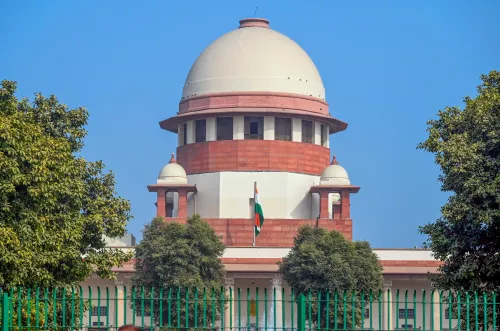
SC Collegium recommends 6 permanent judges for Bombay HC
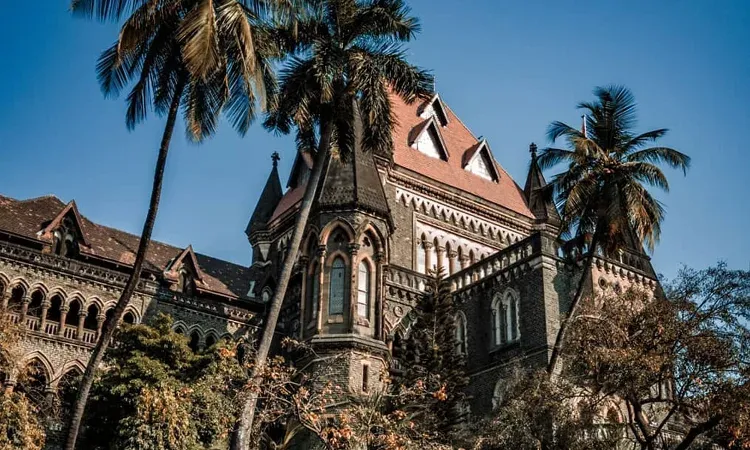
Synopsis
The Supreme Court Collegium, under CJI Surya Kant, has cleared the permanent appointment of six additional judges to the Bombay High Court — and in the same sitting, approved 19 new judges for the Madras High Court. The twin decisions represent one of the more substantive single-day expansions of High Court bench strength in recent months.
Key Takeaways
The Supreme Court Collegium , chaired by CJI Surya Kant , met on 18 May 2026 and recommended six additional judges for permanent appointment to the Bombay High Court .
The six judges are Justice Nivedita Prakash Mehta , Justice Prafulla Surendrakumar Khubalkar , Justice Ashwin Damodar Bhobe , Justice Rohit Wasudeo Joshi , Justice Advait Mahendra Sethna , and Justice Pravin Sheshrao Patil .
High Court judges are formally appointed by the President of India under Article 217(1) of the Constitution.
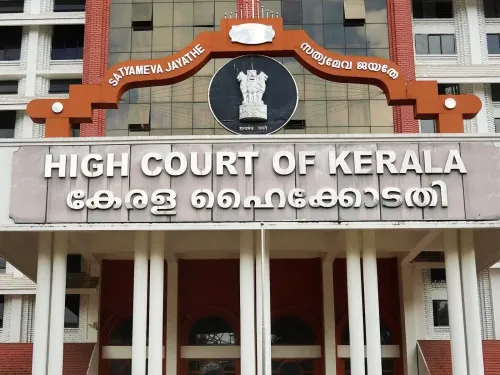
In a separate resolution, the Collegium also approved 19 advocates and judicial officers as judges of the Madras High Court .
Permanent appointments replace time-bound additional judgeships, providing greater tenure security and bench stability.
The Supreme Court Collegium, chaired by Chief Justice of India (CJI) Surya Kant, has recommended the elevation of six additional judges to permanent positions on the Bombay High Court. The decision was taken at a Collegium meeting held on 18 May 2026 and formally announced on 19 May 2026.
The Six Judges Recommended
The Collegium approved the permanent appointment of Justice Nivedita Prakash Mehta, Justice Prafulla Surendrakumar Khubalkar, Justice Ashwin Damodar Bhobe, Justice Rohit Wasudeo Joshi, Justice Advait Mahendra Sethna, and Justice Pravin Sheshrao Patil. All six were previously serving as additional judges of the Bombay High Court.
The Constitutional Framework
Under Article 217(1) of the Constitution, the Chief Justice and judges of High Courts are appointed by the President of India. The Collegium's recommendation is a prerequisite step in that process. Before recommending an additional judge for permanent appointment, the Chief Justice of the concerned High Court must submit detailed performance data — covering month-wise case disposals, judgments reported in law journals, total working days, court attendance, and days of absence during the relevant period.
Key Developments
In a separate resolution at the same meeting, the Supreme Court Collegium also approved proposals for the appointment of 19 advocates and judicial officers as judges of the Madras High Court — a significant simultaneous expansion of judicial strength across two major High Courts.
Why It Matters
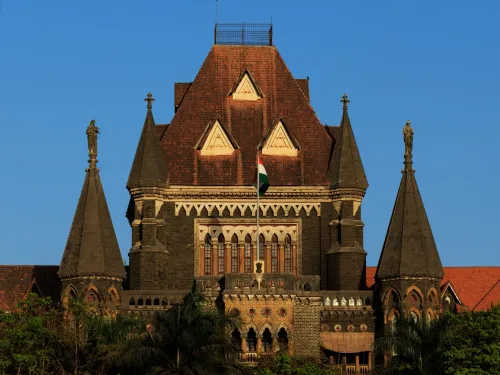
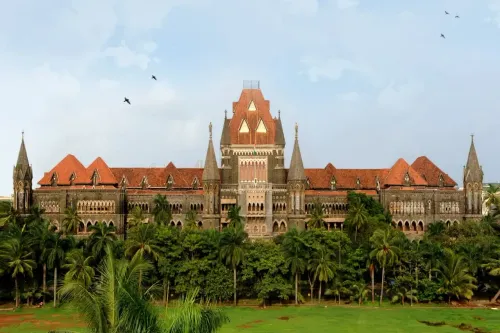
Permanent appointments confer greater tenure security than additional judgeships, which are time-bound. Elevating sitting additional judges to permanent status is a routine but critical step in stabilising bench strength and reducing the backlog pressure that has long plagued India's High Courts. The Bombay High Court, one of the country's oldest and busiest, handles a substantial volume of civil, criminal, and constitutional matters annually. This comes amid broader concerns about judicial vacancies across Indian courts, making Collegium activity in this space closely watched by the legal community.
Point of View
But the real bottleneck remains the gap between Collegium approval and Presidential notification, which can stretch for months. Permanent elevation also matters beyond optics: additional judges operate under the shadow of non-renewal, which critics argue can subtly influence judicial independence. The Bombay High Court, with one of the country's largest pendency figures, needs not just more judges but faster processing of Collegium clearances into actual sitting strength. Whether these names reach the bench before the next round of vacancies opens is the more important question.
NationPress
2 Oct 2026
Frequently Asked Questions
Which judges has the SC Collegium recommended for permanent appointment to the Bombay High Court?
The Collegium recommended six judges: Justice Nivedita Prakash Mehta, Justice Prafulla Surendrakumar Khubalkar, Justice Ashwin Damodar Bhobe, Justice Rohit Wasudeo Joshi, Justice Advait Mahendra Sethna, and Justice Pravin Sheshrao Patil. All six were previously serving as additional judges of the Bombay High Court.
What is the difference between an additional judge and a permanent judge of a High Court?
An additional judge is appointed for a fixed, renewable term and does not have the same tenure security as a permanent judge. A permanent judge serves until the mandatory retirement age of 62. Elevation from additional to permanent status is a standard progression subject to Collegium recommendation and Presidential appointment.
How are High Court judges appointed in India?
Under Article 217(1) of the Constitution, High Court judges are appointed by the President of India. The Supreme Court Collegium's recommendation is a mandatory prerequisite. The Chief Justice of the relevant High Court must also submit detailed performance data on the judge before the Collegium can recommend permanent elevation.
What else did the SC Collegium decide at the 18 May 2026 meeting?
In a separate resolution at the same meeting, the Collegium approved the appointment of 19 advocates and judicial officers as judges of the Madras High Court, representing a significant simultaneous expansion of judicial strength across two major courts.
Why do permanent judicial appointments matter for High Courts?
Permanent appointments stabilise bench strength and reduce pendency by ensuring continuity of sitting judges. High Courts such as the Bombay High Court carry heavy caseloads, and vacancies or time-bound additional judgeships can disrupt case management and, critics argue, affect judicial independence.