Has the SC Collegium Recommended Judges for Punjab and Haryana HC?
Synopsis
In a significant move, the Supreme Court Collegium has recommended the appointment of two judicial officers as judges of the Punjab and Haryana High Court. This decision highlights the ongoing judicial appointments in India and the processes involved in enhancing the judiciary's strength and credibility.
Key Takeaways
Supreme Court Collegium recommends two judicial officers for elevation.
Appointment process involves consultations with senior judges.
Chief Justice of High Court initiates the proposal.
Governor and Chief Minister play critical roles in forwarding recommendations.
Appointment is finalized by the President upon the CJI's recommendation.
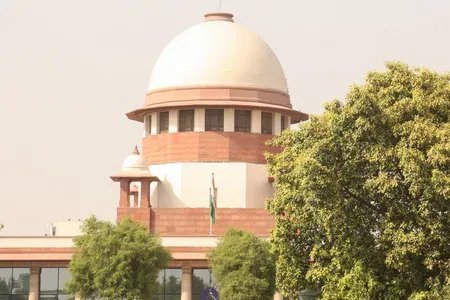
New Delhi, Dec 17 (NationPress) The Supreme Court Collegium, led by Chief Justice of India (CJI) Surya Kant, has put forth recommendations for the elevation of two judicial officers to judges of the Punjab and Haryana High Court.
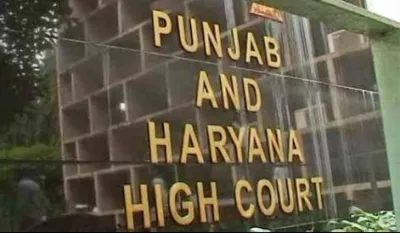
The proposal for appointing Ramesh Chander Dimri and Neerja Kulwant Kalson was initiated by the Chief Justice of the P&H High Court in consultation with two senior judges.
According to a statement published on the apex court's website, "The Supreme Court Collegium, during its meeting on December 16, 2025, has sanctioned the proposal for the appointment of the following Judicial Officers as Judges of the High Court of Punjab and Haryana: (i) Shri Ramesh Chander Dimri, and (ii) Ms. Neerja Kulwant Kalson."
In line with the memorandum of procedure (MoP) for High Court judge appointments, the Chief Justice initiates the proposal.
If the Chief Minister wishes to recommend a name, it must be sent to the Chief Justice for consideration. The Governor, upon the Chief Minister's advice, is expected to forward this recommendation along with all relevant documents to the Union Minister of Law & Justice promptly, and within six weeks of receiving the proposal from the Chief Justice of the High Court.
This proposal is then evaluated by the Centre along with other background information before being submitted to the CJI, who consults the two senior-most Supreme Court judges prior to finalizing a recommendation.
After these consultations, the CJI will forward his recommendation to the Union Minister of Law & Justice within four weeks.
As per the MoP, once the President signs the appointment warrant, the Secretary of the Department of Justice will notify the Chief Justice, and a copy of this communication will be sent to the Chief Minister. The Chief Minister will then announce the appointment and publish the necessary notification in the Gazette of India.
Point of View
I emphasize the importance of maintaining a robust judiciary in our democracy. The recent recommendations by the Supreme Court Collegium not only reflect the trust and competence of the judicial officers involved but also promote transparency in the appointment process, which is vital for public confidence in our legal system.
NationPress
5 Oct 2026
Frequently Asked Questions
Who are the judicial officers recommended for the Punjab and Haryana High Court?
The recommended judicial officers are Ramesh Chander Dimri and Neerja Kulwant Kalson.
What is the role of the Supreme Court Collegium?
The Supreme Court Collegium is responsible for recommending appointments and transfers of judges in the higher judiciary.
What is the process for appointing High Court judges?
The Chief Justice of the High Court initiates the proposal, which is reviewed by the Supreme Court Collegium and then sent to the Union Minister of Law & Justice.
What is the significance of these judicial appointments?
Judicial appointments are crucial for maintaining the independence and effectiveness of the judiciary, ensuring justice is served fairly.
How long does the appointment process take?
The process involves several steps and typically takes a few weeks after the initial proposal is submitted.