Andhra Pradesh HC gets 3 new additional judges, Centre clears appointments
Synopsis
The Centre has cleared three new Additional Judges for the Andhra Pradesh High Court — Sunitha Gandham, Alapati Giridhar, and Purushottam Kumar Chintalapudi — following a Supreme Court Collegium nod from May 2026. The appointments, announced by Law Minister Arjun Ram Meghwal on X, highlight the multi-tier constitutional process that governs how India fills its High Court benches.
Key Takeaways
The Centre on 3 July 2026 cleared the appointment of three Additional Judges to the Andhra Pradesh High Court .
The appointees are Sunitha Gandham , Alapati Giridhar , and Purushottam Kumar Chintalapudi .
The Supreme Court Collegium had approved the proposal in its meeting on 4 May 2026 .
Union Minister Arjun Ram Meghwal announced the appointments via a post on X .
Appointments are made by the President of India in consultation with the Chief Justice of India under constitutional powers.
The warrants will be formally notified in the Gazette of India .
The Centre on Friday, 3 July 2026, cleared the appointment of three judicial officers as Additional Judges of the Andhra Pradesh High Court, acting on the recommendation of the Supreme Court Collegium. The President, in consultation with the Chief Justice of India, approved the appointments under powers conferred by the Constitution of India.
Who Has Been Appointed
The three judicial officers elevated to the Andhra Pradesh High Court are Sunitha Gandham, Alapati Giridhar, and Purushottam Kumar Chintalapudi (also recorded as Ch. Purushottama Kumar). Union Minister of State (Independent Charge) for Law and Justice Arjun Ram Meghwal announced the appointments in a post on X, quoting the constitutional authority under which the President acted.
Collegium Approval and Timeline
The Supreme Court Collegium, in its meeting held on 4 May 2026, had approved the proposal for the appointment of all three judicial officers as judges of the High Court of Andhra Pradesh. The Centre's formal clearance on 3 July follows the standard procedural chain that runs from the High Court Chief Justice through the state government and ultimately to the Union Law Ministry and the Chief Justice of India (CJI).
How the Appointment Process Works
Under the Memorandum of Procedure (MoP) governing High Court judge appointments, the process begins with the Chief Justice of the High Court concerned. The Chief Minister may recommend names, which must be routed through the Chief Justice. The Governor, acting on the Chief Minister's advice, forwards the complete set of papers to the Union Law Minister — ordinarily within six weeks of receiving the proposal.
The Centre then examines the proposal alongside relevant background inputs before forwarding it to the CJI, who consults the two senior-most judges of the Supreme Court. The CJI's recommendation is sent back to the Union Law Minister, ordinarily within four weeks. Once the President signs the warrant of appointment, the Department of Justice notifies the Chief Justice and Chief Minister, and the appointment is published in the Gazette of India.
Significance for the Andhra Pradesh High Court
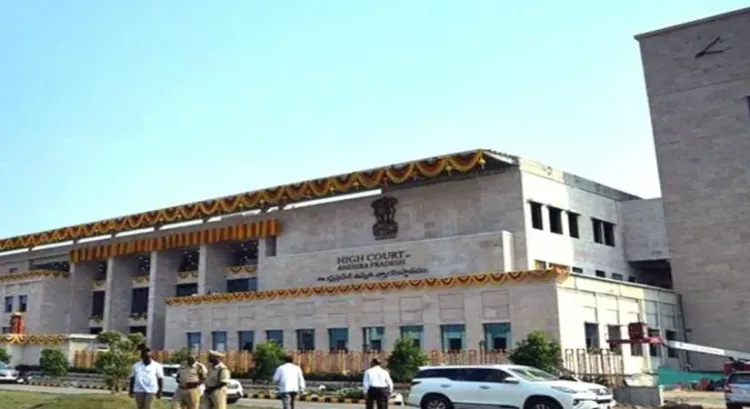
The additions come as High Courts across India continue to grapple with judicial vacancies that contribute to case pendency. The Andhra Pradesh High Court, which has jurisdiction over the state since its bifurcation from the combined Andhra Pradesh, has periodically seen vacancies at the additional judge level. These three appointments are expected to provide some relief to the court's workload. Notably, the Collegium's approval in May and the Centre's clearance in July reflect a relatively prompt turnaround within the MoP framework.
What Happens Next
With the presidential warrant signed, the appointments will be formally notified in the Gazette of India. The three judges will assume charge as Additional Judges of the Andhra Pradesh High Court, with their tenures subject to the terms specified in their warrants of appointment.
Point of View
However welcome, rarely address the structural backlog that keeps litigants waiting. The Andhra Pradesh High Court's pendency data will be the real measure of whether these additions make a dent. The MoP itself remains a contested document, with the judiciary and executive periodically at odds over who holds the decisive voice — a tension these routine appointments paper over but do not resolve.
NationPress
2 Oct 2026
Frequently Asked Questions
Who are the three new Additional Judges appointed to the Andhra Pradesh High Court?
The three judicial officers appointed as Additional Judges of the Andhra Pradesh High Court are Sunitha Gandham, Alapati Giridhar, and Purushottam Kumar Chintalapudi. Their appointments were cleared by the Centre on 3 July 2026 following a Supreme Court Collegium recommendation.
When did the Supreme Court Collegium approve these appointments?
The Supreme Court Collegium approved the proposal for all three appointments in its meeting held on 4 May 2026. The Centre's formal clearance followed on 3 July 2026, completing the constitutional process.
Who announced the Andhra Pradesh High Court appointments?
Union Minister of State (Independent Charge) for Law and Justice Arjun Ram Meghwal announced the appointments in a post on X, citing the constitutional authority under which the President acted.
How are High Court judges appointed in India?
High Court judge appointments follow the Memorandum of Procedure: the High Court Chief Justice initiates the proposal, the state government forwards it to the Union Law Ministry, and the Centre consults the Chief Justice of India, who in turn consults the two senior-most Supreme Court judges before finalising the recommendation. The President signs the warrant of appointment, which is then notified in the Gazette of India.
Why do these appointments matter for the Andhra Pradesh High Court?
Additional judge appointments help address judicial vacancies that contribute to case pendency. The Andhra Pradesh High Court has periodically faced vacancies at the additional judge level, and these three appointments are expected to ease some of the court's workload.