Centre notifies 14 judicial appointments across Delhi, Jharkhand, Karnataka, J&K High Courts
Synopsis
The Centre has notified the appointment of 14 judicial officers across four High Courts in a single batch, acting on Collegium recommendations cleared just nine days earlier. With Delhi alone receiving seven new appointees, the move signals an unusually swift executive response to Collegium recommendations — a contrast from the delays that have previously strained relations between the judiciary and the government.
Key Takeaways
The Centre notified 14 judicial appointments across four High Courts on 19 September 2026 .
Courts covered: Delhi (7 appointees), Jharkhand (3), Karnataka (3 additional judges), and Jammu & Kashmir and Ladakh (1).
Appointments follow Supreme Court Collegium recommendations made on 10 September 2026 , headed by CJI Surya Kant .
Union Minister Arjun Ram Meghwal announced the notifications via a post on social media platform X.
The President cleared the appointments under constitutional powers after consultation with the Chief Justice of India .
The Centre on 19 September 2026 formally notified the appointment of 14 judicial officers as judges and additional judges across four High Courts — Delhi, Jharkhand, Karnataka, and Jammu & Kashmir and Ladakh — acting on recommendations made by the Supreme Court Collegium. The appointments were cleared by the President of India in exercise of constitutional powers and after consultation with Chief Justice of India (CJI) Surya Kant.
Key Appointments Notified
Nivedita Anil Sharma and Nisha Sahay Saxena have been appointed as judges of the Delhi High Court. Additionally, Sanjay Sharma, Bharat Parashar, Dr Aditi Choudhary, Dinesh Bhatt, and Arun Bhardwaj have been designated as additional judges of the same court.
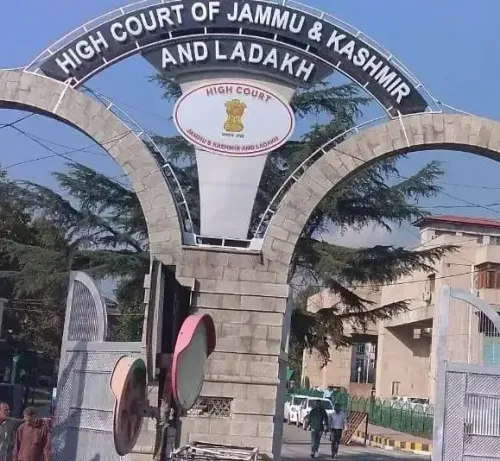
In the Jammu & Kashmir and Ladakh High Court, Yash Paul Bourney has been appointed as a judge. The Jharkhand High Court receives three new judges — Manoj Prasad, Akhil Kumar, and Ram Sharma. For the Karnataka High Court, Usharani, K.S. Bharath Kumar, and Nerale V. Bhavani have been appointed as additional judges.
What the Government Said
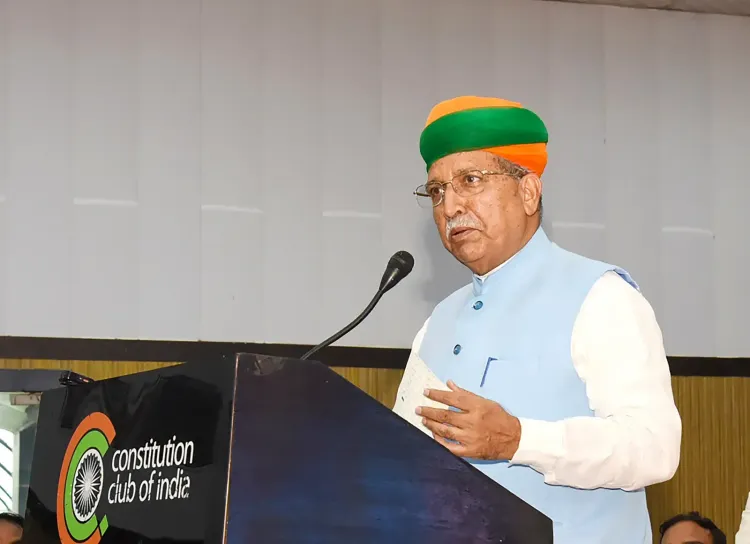
Union Minister of State (Independent Charge) for Law and Justice Arjun Ram Meghwal announced the development in a post on social media platform X, stating that the President was pleased to appoint the judicial officers to their respective High Courts in accordance with powers conferred by the Constitution of India and following consultation with the CJI.
Collegium Background
The Supreme Court Collegium, headed by CJI Surya Kant, had passed these recommendations at its meeting held on 10 September 2026. The Collegium had recommended eight judicial officers for the Delhi High Court alone, reflecting the court's significant pendency burden. The Centre's swift notification — within nine days of the Collegium's resolution — is notable, given that delays in acting on Collegium recommendations have historically drawn criticism from the judiciary.
Why These Appointments Matter
India's High Courts collectively face a significant backlog of pending cases, and judicial vacancies are a persistent structural concern. The addition of 14 judges and additional judges across four courts is intended to ease some of that pressure, particularly in the Delhi High Court, which handles a high volume of constitutional, civil, and criminal matters. This comes amid broader debates over the pace at which the executive clears Collegium-recommended judicial appointments. Notably, the batch includes appointments to the Jammu & Kashmir and Ladakh High Court, a jurisdiction that has seen elevated legal activity since the region's reorganisation in 2019.
What Comes Next
The newly appointed judges are expected to be sworn in by the respective Chief Justices of each High Court in the coming days. Their addition is expected to provide some relief to court dockets, though judicial reform advocates argue that deeper structural changes — including reforms to case management — are needed to address India's wider pendency crisis.
Point of View
The government-judiciary standoff over appointments has stretched for months, even years. Whether this pace reflects a genuine institutional reset or is specific to this batch remains to be seen. More broadly, adding 14 judges is a drop in the ocean against India's case pendency crisis, which runs into crores of cases. The real accountability question is not how fast appointments are notified, but how long courts take to fill sanctioned strength in full — a number that has remained stubbornly short of target across most High Courts for years.
NationPress
19 Sept 2026
Frequently Asked Questions
Which High Courts received new judicial appointments on 19 September 2026?
The Centre notified appointments to four High Courts: Delhi, Jharkhand, Karnataka, and the Jammu & Kashmir and Ladakh High Court. A total of 14 judicial officers were appointed as judges or additional judges across these courts.
Who recommended these judicial appointments?
The Supreme Court Collegium, headed by Chief Justice of India Surya Kant, recommended these appointments at its meeting on 10 September 2026. The President of India then formally cleared the appointments after consultation with the CJI.
How many judges were appointed to the Delhi High Court?
Seven judicial officers were appointed to the Delhi High Court — two as judges (Nivedita Anil Sharma and Nisha Sahay Saxena) and five as additional judges (Sanjay Sharma, Bharat Parashar, Dr Aditi Choudhary, Dinesh Bhatt, and Arun Bhardwaj).
Why do these appointments matter for the judiciary?
Indian High Courts carry a massive backlog of pending cases, and unfilled judicial vacancies worsen the situation. Adding 14 judges across four courts provides partial relief, particularly for the Delhi High Court, which handles a high volume of constitutional and civil matters.
When will the newly appointed judges be sworn in?
The newly appointed judges are expected to be sworn in by the respective Chief Justices of each High Court in the coming days following the Centre's notification, though exact dates have not been officially announced.