SC Collegium clears 2 permanent judges for Punjab and Haryana HC

Synopsis
The Surya Kant-led Collegium has confirmed Justices Harmeet Singh Grewal and Deepinder Singh Nalwa as permanent judges of the Punjab and Haryana High Court, part of a wider same-day push that also cleared names for the Karnataka, Madhya Pradesh and Himachal Pradesh High Courts — a signal that vacancy management is now a front-burner priority.
Key Takeaways
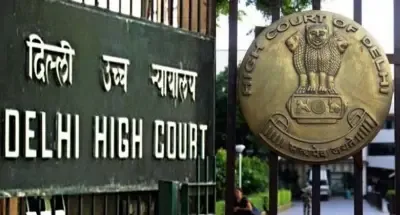
The Supreme Court Collegium on 2 June 2026 cleared the elevation of two additional judges as permanent judges of the Punjab and Haryana High Court .
The names are Justice Harmeet Singh Grewal and Justice Deepinder Singh Nalwa .
The Collegium is headed by CJI Surya Kant .
Appointments are made by the President under Article 217(1) of the Constitution.
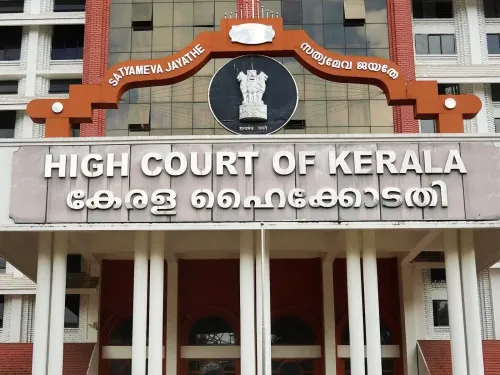
The same day, the Collegium also recommended appointments to the Karnataka , Madhya Pradesh and Himachal Pradesh High Courts.
The Supreme Court Collegium, headed by Chief Justice of India Surya Kant, has recommended the elevation of two additional judges as permanent judges of the Punjab and Haryana High Court, the apex court said in a statement on 3 June 2026. The proposal, cleared at the Collegium's meeting on 2 June 2026, covers Justice Harmeet Singh Grewal and Justice Deepinder Singh Nalwa.
Key Developments
In its official communique, the Collegium said it had approved the proposal for appointment of the two additional judges as permanent judges of the High Court of Punjab and Haryana. The recommendation now moves to the Centre for formal notification by the President.
“The Supreme Court Collegium in its meeting held on 2nd June, 2026, has approved the proposal for appointment of the following Additional Judges as Permanent Judges of the High Court of Punjab and Haryana: (i) Shri Justice Harmeet Singh Grewal, and (ii) Shri Justice Deepinder Singh Nalwa,” the statement said.
The Constitutional Process
Chief Justices and judges of High Courts are appointed by the President under clause (1) of Article 217 of the Constitution. While recommending the elevation of an additional judge to permanent status, the Chief Justice of the High Court concerned is required to submit detailed performance statistics — including month-wise case disposal, judgments delivered, and the number of rulings reported in law journals.
The data must also capture total working days, days the judge actually attended court, and days of absence during the period for which disposal numbers are submitted. This framework is designed to anchor elevation decisions in measurable judicial output rather than tenure alone.
Broader Push on Judicial Appointments
The latest recommendation comes alongside a wider set of clearances issued by the Collegium the same day. Earlier on Wednesday, the Collegium recommended a fresh set of appointments to the Karnataka, Madhya Pradesh and Himachal Pradesh High Courts, signalling a concerted push to address vacancies across multiple High Courts.
Why It Matters
The Punjab and Haryana High Court, which serves two states and the Union Territory of Chandigarh, has historically grappled with pendency pressures. Confirming additional judges as permanent reportedly strengthens institutional stability on the bench and reduces uncertainty in case rostering.
What's Next
The recommendations will be forwarded to the Union Law Ministry and the President for the formal warrant of appointment. Notification timelines typically follow within weeks of Collegium clearance, subject to the Centre's processing.
Point of View
Which suggests the Surya Kant Collegium is moving faster on vacancies than its immediate predecessors. The real test, however, is the turnaround at the Centre's end, where past notifications have sometimes lagged Collegium clearances by months. Until that gap closes, headline recommendations risk overstating real bench strength.
NationPress
18 Oct 2026
Frequently Asked Questions
Who has the SC Collegium recommended as permanent judges of the Punjab and Haryana High Court?
The Collegium has recommended Justice Harmeet Singh Grewal and Justice Deepinder Singh Nalwa, both currently additional judges, for elevation as permanent judges. The decision was taken at its meeting on 2 June 2026.
Who heads the Supreme Court Collegium that made this recommendation?
The Collegium is headed by Chief Justice of India Surya Kant. The recommendation was issued through an official statement on 3 June 2026.
Under which constitutional provision are High Court judges appointed?
High Court judges are appointed by the President under clause (1) of Article 217 of the Constitution. The Collegium's recommendation now goes to the Centre for the formal warrant of appointment.
What data is considered before elevating an additional judge to permanent status?
The Chief Justice of the concerned High Court must furnish month-wise case disposal, judgments delivered, cases reported in law journals, total working days, days actually attended, and days of absence. This ensures the recommendation is backed by measurable judicial output.
Which other High Courts saw Collegium recommendations on the same day?
Earlier the same day, the Collegium recommended a fresh set of appointments to the Karnataka, Madhya Pradesh and Himachal Pradesh High Courts, pointing to a coordinated push on judicial vacancies.